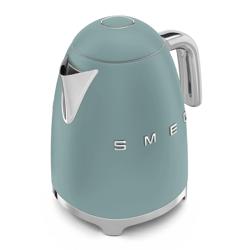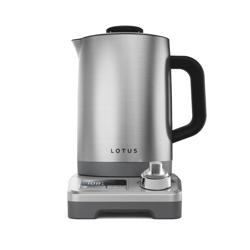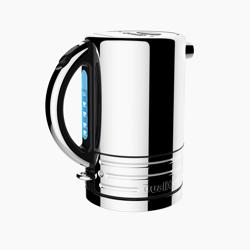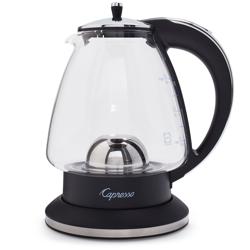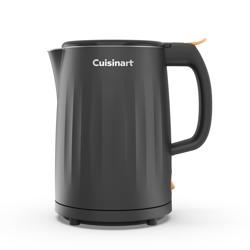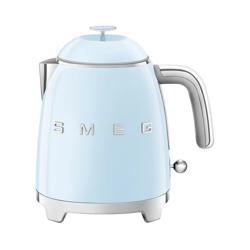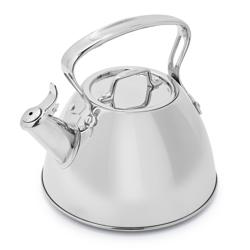
Electric kettles for quick breakfasts heat water for tea, coffee and instant oatmeal, helping you put together a warm morning meal with less time at the stove. Many bring water to a boil in minutes, although heating time depends on the kettle’s power, the amount of water and its starting temperature. For a morning that moves from the kitchen counter to the front door, that convenience can make a difference: hot water for a bowl of instant oats, a mug of tea to sip while getting dressed or a French press to share over toast. An electric kettle is designed to heat water rather than cook the breakfast itself. Prepare oatmeal and other foods in a separate heat-safe bowl or mug, following the package directions for water temperature, quantity and standing time. Instant oats and breakfast mixes labeled for preparation with hot water are especially useful here; traditional rolled oats and steel-cut oats generally need additional cooking. Milk, eggs and grains should stay out of a kettle unless its manufacturer specifically allows those uses. Keeping the kettle dedicated to water also helps prevent food residue and lingering flavors from carrying into the next cup. The appeal extends beyond hurried mornings, too. During the cooler months, a ready supply of hot water makes a quiet breakfast feel a little more welcoming, whether it accompanies buttered toast or a bowl of oats finished with cinnamon, chopped nuts and sliced apple. For someone making breakfast alone, a smaller kettle can be an easy everyday companion. For households with several tea or coffee drinkers, a larger capacity can help serve everyone without repeated refilling. The most useful choice is one that suits the breakfast you actually make, with a comfortable handle, readable water markings and a pour that feels controlled even before the first cup of coffee.
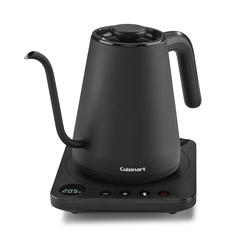
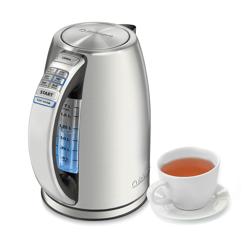
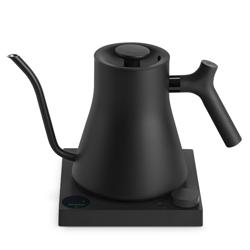
Capacity, temperature settings and spout shape all influence how an electric kettle fits into that routine. A compact body takes up less counter space, but the base, handle and clearance needed to open the lid matter as much as the vessel itself. In a kitchen where the toaster and coffee grinder already share a corner, a kettle with a small footprint and convenient cord storage can help keep the work area usable. Check the minimum fill level as well as the maximum capacity: a kettle should be able to heat the amount you usually need without being filled below its safe operating range. Heating only the necessary water, within those limits, also avoids spending time bringing a full kettle to temperature for a single mug. A wide opening makes filling and reaching the interior easier, while clear markings help when measuring water for breakfast mixes. Standard spouts are practical for filling bowls and mugs; narrow gooseneck spouts offer the slower, more deliberate flow often preferred for pour-over coffee. That precision can be worthwhile for a morning coffee ritual, though it is less important when the main task is preparing instant oatmeal. Simple boil-only controls suit breakfasts that call for boiling water. Variable-temperature settings offer more flexibility for drinks that benefit from water below a full boil, including many green and white teas. Coffee preparation also benefits from water at an appropriate brewing temperature rather than an assumption that hotter is always better. For a closer look at kettles suited to tea and coffee routines, explore
Electric Kettles For Hot Beverages. Depending on the design, a keep-warm setting can be helpful when household members come down for breakfast at different times, but its duration and operation vary. Automatic shut-off and boil-dry protection are useful safety features to look for, not substitutes for following the instructions. A lift-off kettle can make carrying hot water to a nearby bowl easier, while the powered base stays on a dry, level counter. The handle should feel secure, and the lid should stay properly closed during pouring.
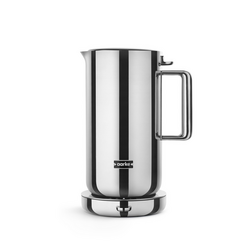
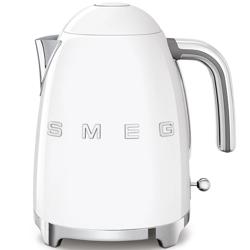
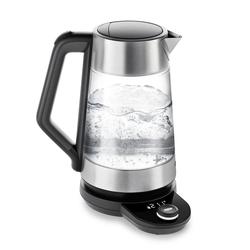
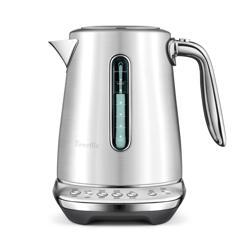
Materials contribute to both the look of an electric kettle and the experience of using it every day. Stainless steel is a sturdy option for a busy kitchen and avoids the breakage concerns associated with a glass body, although its exterior may show fingerprints or become hot during use. Glass makes it easy to see the water level and notice mineral buildup, with a clear appearance that fits comfortably beside many styles of kitchen appliances. It still needs careful handling, particularly around a hard sink or stone countertop. Double-wall construction can help reduce heat transfer to the outside, but surface temperatures vary, so use the handle rather than assuming the body will stay cool. The interior deserves attention, too: smooth surfaces, accessible openings and removable scale filters, where included, can simplify regular care. Mineral deposits develop as water is heated, especially in areas with hard water, and routine descaling according to the manufacturer’s directions helps maintain performance. Use only the cleaning solution and method recommended for the kettle, rinse as directed and never immerse an electrical base or other electrical components. A quick wipe of the exterior and attention to the lid and spout help keep a breakfast staple pleasant to use. Durability involves more than the body material; a well-fitting lid, stable base and handle that remains comfortable when the kettle is full all matter over years of filling and pouring. These everyday details also make electric kettles thoughtful gifts for someone setting up a first kitchen, a tea drinker refining a familiar routine or a busy parent who wants a simpler way to prepare a warm breakfast. For a shared kitchen, straightforward controls and easy-to-read markings may be more valuable than numerous settings. For a dedicated coffee enthusiast, temperature control and a precise spout may earn their place on the counter every morning. Matched to the person and the space, an electric kettle supports both the rushed weekday bowl of oatmeal and the slower breakfast when there is time for another cup.