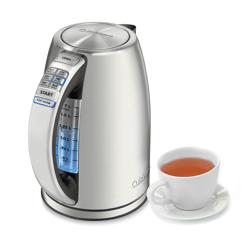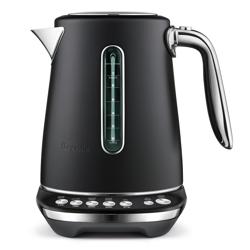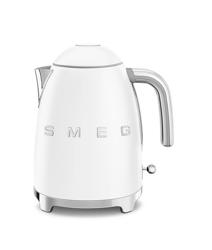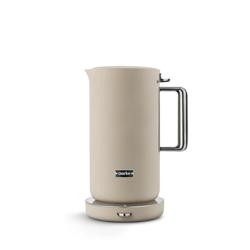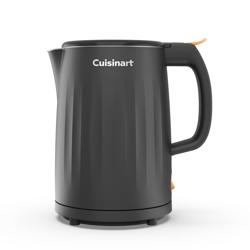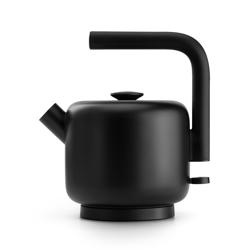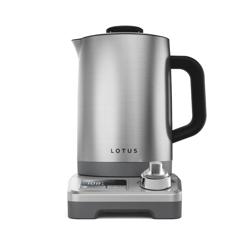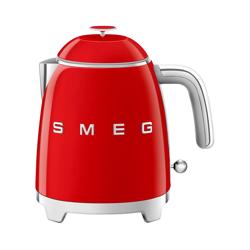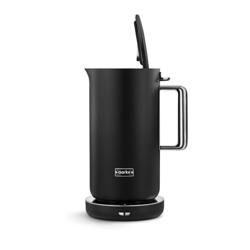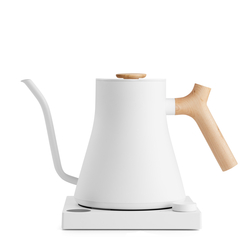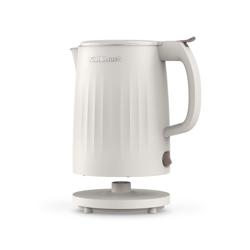
Electric kettles for white tea are most useful when they offer adjustable temperature settings, since many white teas brew well with water between 160°F and 185°F rather than at a full boil. A variable-temperature electric kettle lets you heat water to the temperature recommended for your leaves without boiling it first and guessing how long it needs to cool. That control helps preserve the soft floral aromas, gentle sweetness and fresh, sometimes melon-like notes that make white tea worth slowing down for. White tea styles vary, however, and some fuller-bodied or aged varieties benefit from hotter water, so the instructions on the tea package are a better starting point than a single universal setting. When comparing kettles, look for a selectable temperature range that includes your usual brewing temperature and a display that makes the setting easy to read. A dedicated white tea preset can simplify a familiar morning routine, while adjustable settings offer more flexibility as you try different leaves. Keep in mind that a preset labeled for white tea may differ from one kettle to another. The ability to choose a temperature directly is especially helpful if you alternate between a delicate silver needle tea and a more robust white peony. A keep-warm function can also be useful for a second cup or repeated infusions, though its duration and operation depend on the kettle. Picture a quiet breakfast with a small teapot beside a bowl of oatmeal: water held near your preferred temperature makes another infusion easy without interrupting the meal. For someone who enjoys tea throughout the day, the practical benefit is consistency. Using the same water temperature, leaf quantity and steeping time makes it easier to notice what tastes good and repeat it. Temperature control does not replace good leaves or attentive brewing, but it removes one of the less predictable parts of preparing a delicate cup. It is a useful feature for both a longtime loose-leaf tea drinker and someone moving beyond tea bags.
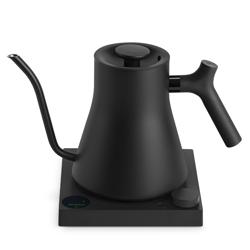
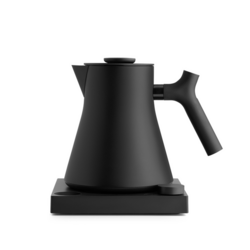
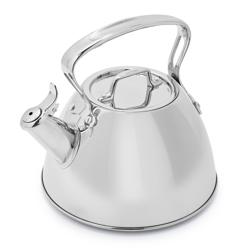
The right material and size depend as much on your kitchen as on your tea preferences. Stainless steel kettle bodies are a practical choice for everyday use, with sturdy construction that suits a busy counter and an opaque finish that keeps the water chamber out of view. Glass offers a clear view of the water level and the heating process, which can be appealing in a kitchen where the kettle stays on display. Heat-resistant glass still needs thoughtful handling: avoid knocks against the faucet and follow the manufacturer's directions about temperature changes. Neither material alone guarantees better temperature control; the heating system, controls and overall construction matter, too. If the materials that touch your water are a priority, check the interior, lid underside, water-level window and filter rather than relying only on the description of the outer body. Capacity deserves similar attention. A smaller kettle may fit neatly beside a mug and tea tin, while a larger one can serve a household that gathers around a teapot after dinner. Check both the maximum capacity and the minimum fill requirement, particularly if you usually heat water for just one cup. A kettle that must hold substantially more water than you need may be less convenient for that routine. Think about its filled weight as well: a comfortable handle, balanced body and accessible lid can make daily filling and pouring easier. A narrow gooseneck spout offers a controlled stream for small brewing vessels, but it is not essential for white tea. A conventional spout can be more convenient when filling a larger pot, provided it pours cleanly. Countertop fit includes the base footprint, cord placement and clearance needed to open the lid beneath cabinets. Controls should be straightforward to operate in the spot where the kettle will actually sit. For a different visual direction,
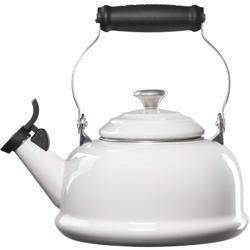
Classic White Tea Kettles offer another way to explore the category, while brewing temperature, capacity and comfortable handling remain useful considerations.
Daily care helps an electric kettle stay pleasant to use, especially when subtle white tea flavors are the reason for choosing it. Mineral deposits can collect inside any kettle, and they tend to appear more quickly in homes with hard water. Descale according to the manufacturer's instructions, using an approved solution and rinsing thoroughly before the next brew. A wide opening makes the interior easier to inspect and reach, while a removable scale filter, when included, may help catch loose mineral particles during pouring. That filter is not a substitute for descaling or for treating the water itself. Fresh water with a clean taste gives delicate tea a better starting point; if tap water has a noticeable odor or flavor, suitable filtered water may help. Unless a kettle is specifically designed to brew tea inside it, use it to heat water only and steep the leaves in a separate cup, infuser or teapot. This keeps tea residue out of the water chamber and leaves the kettle ready for other drinks. If considering a design with an integrated tea basket, check how easily the basket lifts out and whether its parts can be cleaned separately. Removing the leaves when steeping is complete matters just as much as selecting the water temperature. For the exterior, follow the recommended wiping and drying routine, keep electrical connections dry and never immerse the kettle or its powered base. Automatic shutoff and boil-dry protection are useful features to look for, though they do not replace following fill limits and safe placement instructions. A well-chosen electric kettle can suit a shared kitchen, a home office tea break or an unhurried evening during the cooler months. It also makes a thoughtful gift for someone who enjoys loose-leaf tea, particularly when its size and controls match the recipient's habits. For a newer tea drinker, simple settings may be more welcome than a long menu of options. For an enthusiast, a broader temperature range and repeatable settings can support a more varied tea collection. The best fit is a kettle that makes careful brewing feel comfortable enough for everyday use.