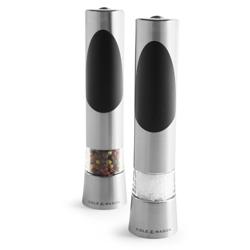
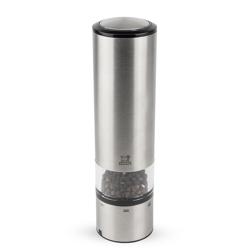
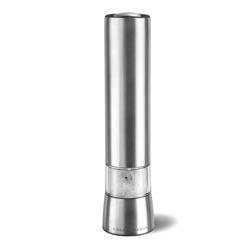
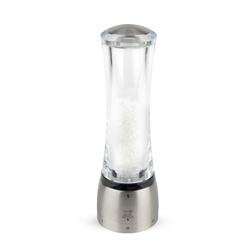
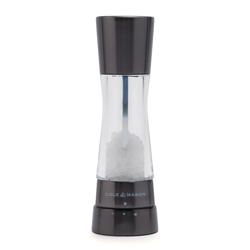
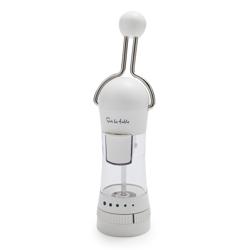
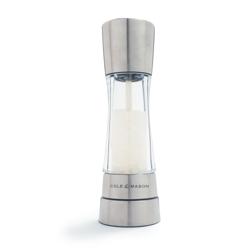
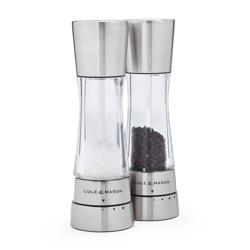
Electric mills for sea salt make it easy to season food with one hand, using a motor to grind coarse salt crystals into smaller, more evenly distributed grains. The most useful features to look for are a salt-compatible, corrosion-resistant grinding mechanism, adjustable coarseness and an activation method that feels comfortable in your hand. Ceramic mechanisms are a common choice because they resist corrosion from salt; other mechanisms should be specifically designed and approved for grinding salt. The material inside matters more than the finish outside, since a stainless steel exterior does not necessarily indicate what the grinding components are made from. For everyday cooking, the appeal is practical: a push-button mill lets you add salt to a pan of mushrooms while holding a spatula in your other hand, or season sliced tomatoes without repeatedly twisting a manual grinder. Gravity-activated designs run when tilted into the dispensing position, while button-operated designs offer a distinct start and stop. Either approach can reduce the twisting effort involved in seasoning, though the mill’s weight, grip and control placement still deserve attention. Adjustable grind settings help the same tool move between different tasks. A finer grind spreads readily over scrambled eggs, tender vegetables and dressed greens, while larger grains bring more noticeable texture to roasted potatoes or a sliced steak. Grinding changes the size and distribution of salt rather than making it fresher, so the benefit is control over how it lands on food and how each bite tastes. Start with a brief burst, taste when appropriate and add more as needed, especially when finishing dishes that already contain salty cheese, broth or olives. For cooks who move frequently between the stove, prep counter and table, an electric sea salt mill can make that final adjustment simpler without interrupting the work already in hand. It is particularly handy when one hand is occupied steadying a serving platter or tossing vegetables before they go into the oven.
The right fit depends as much on the salt you use and the space you cook in as it does on appearance. Most electric salt mills are intended for dry, coarse crystals within a specified size range, but compatibility varies, so check the manufacturer’s instructions before filling the chamber. Moist sea salt, very large crystals and delicate flakes are not interchangeable with dry grinding salt. Damp crystals can clump or interfere with the mechanism, oversized pieces may not feed properly and flaky finishing salts are often better sprinkled by hand to preserve their texture. A clear chamber or viewing window makes the fill level easy to check, while a generous opening helps keep crystals from scattering across the counter during refills. Chamber capacity is worth balancing against overall size: a larger reservoir means less frequent filling, but a lighter, narrower mill may feel more comfortable during regular use. Glass and clear plastic chambers allow a quick look inside; glass can add weight and needs protection from knocks, while plastic may develop scratches over time. Stainless steel housings can suit a busy kitchen, though fingerprints and salt residue may show on the surface. Look beyond the finish to a secure battery cover, a stable base and controls that are easy to reach without shifting your grip. Rechargeable designs need access to their specified charger or cable, while models with replaceable batteries require the correct battery type and periodic changes. Neither power source determines grinding quality on its own; mechanism design, salt compatibility and consistent power all contribute to performance. Some mills include a light near the outlet, which can help you see pale grains landing on darker food or a plate in softer dining-room light. For delicate greens, a fine setting helps distribute seasoning without leaving large, crunchy crystals on individual leaves. The related selection of
fine grind salt mills for salads offers another way to focus on that particular use. Whatever the meal, a coarseness control that is easy to identify and adjust makes switching between prep work and table service more straightforward.
Regular care helps an electric mill stay ready for everything from a quick lunch to a full table of guests. Keep the housing, battery compartment and charging connections dry, and follow the manufacturer’s cleaning directions rather than rinsing the entire mill under the faucet. A soft, dry cloth is often useful for removing loose salt from the exterior, while any removable chamber or grinding parts should be cleaned only as directed and dried thoroughly before reassembly. Avoid holding the mill directly in the rising steam above a simmering pot. Dispensing salt into a small, dry dish first lets you add it to soup or pasta water without exposing the grinder to as much moisture. Store the mill away from splashes and persistent heat, wipe up salt that collects beneath it and avoid packing the reservoir beyond its indicated fill level. If grinding slows or stops, check the charge or batteries and consult the instructions for clearing a blockage rather than forcing the motor to run. Thoughtful handling matters for durability, even with a corrosion-resistant mechanism. At the table, a stable resting place and a comfortable weight make the mill easier to pass, and a clearly distinguishable salt mill helps guests avoid confusing it with pepper. An electric mill can be a useful gift for someone setting up a kitchen, a home cook who enjoys practical tools or a host who likes to finish dishes at the table. It may also suit someone who finds repeated twisting uncomfortable, provided the button pressure, weight and refill process work for them. During the cooler months, its everyday uses range from seasoning squash before roasting to adding a final touch to warm grain bowls and crisp-skinned potatoes. A well-chosen electric sea salt mill earns its place through those small, repeated tasks: comfortable operation, a dependable grind and seasoning that lands where it is wanted.