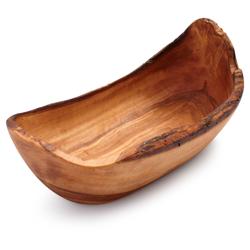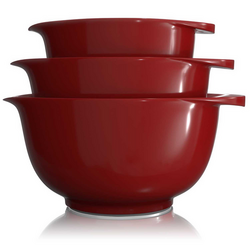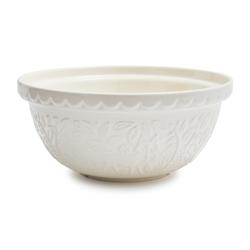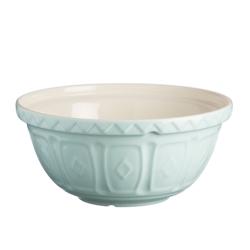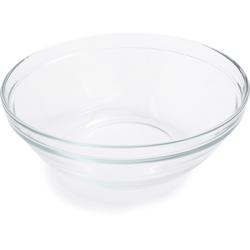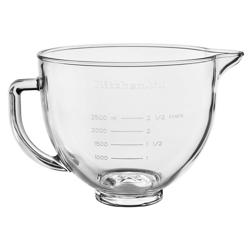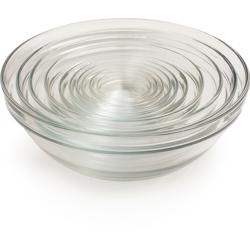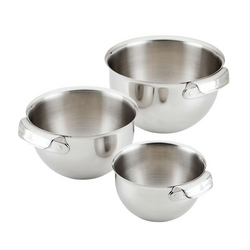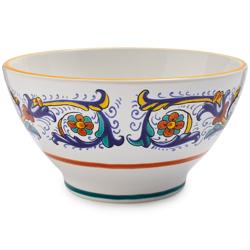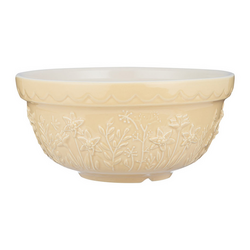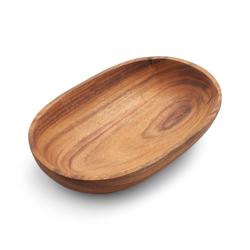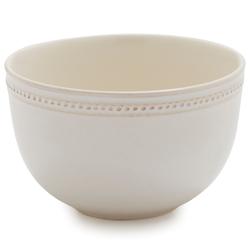
Elegant bowls combine thoughtful proportions, refined finishes and useful shapes to make everyday meals and shared dishes feel well presented. Porcelain, bone china, stoneware, earthenware, glass, crystal and wood each bring a different character to the table, from the clean backdrop of a white ceramic bowl to the rich grain of acacia. The most suitable choice depends on what the bowl will hold, how often it will be used and how it fits with existing dinnerware. Elegance does not have to mean ornate decoration or a piece reserved for special occasions. A smooth rim, a balanced silhouette or a glaze with subtle depth can make a simple bowl feel considered without competing with the food. White and ivory offer an understated setting for tomato soup, colorful vegetables or fresh berries, while deeper colors create contrast with rice, creamy pasta and pale greens. Porcelain generally offers a smooth, relatively nonporous surface and a refined appearance that suits both everyday dining and more formal place settings. Bone china can have a lighter, thinner profile while still offering good strength, though delicate edges benefit from careful handling. Stoneware often has a substantial feel, with finishes that range from uniform and polished to gently varied. Earthenware can bring expressive color and handcrafted character, but its care requirements deserve attention because it is generally more porous than higher-fired ceramics. Clear glass lets the ingredients become part of the presentation, while cut or textured crystal adds sparkle and visual detail. Wooden bowls offer a quieter effect, with natural grain that pairs comfortably with linen napkins and simple flatware. Material alone does not determine quality or durability; construction, glaze, thickness and intended use all matter. Subtle variations in handmade ceramics or natural wood can be part of their appeal, especially when the goal is a table that feels welcoming rather than perfectly matched.
Shape and size make an equally noticeable difference once a bowl reaches the table. Wide, shallow bowls give pasta, grain dishes and composed salads room to spread, keeping toppings visible and making each forkful easy to reach. A deeper bowl is better suited to broth, cereal or a generous portion of noodles, with sides that help contain liquids as the bowl moves from kitchen to table. Smaller bowls keep dips, olives and condiments together without crowding a shared platter. For serving, consider both capacity and usable space: a bowl filled to the rim may technically hold enough food, but it leaves little room to toss greens or lift a portion without spilling. A broad opening makes it easier to use serving utensils, while a stable base helps a larger bowl stay settled as guests help themselves. For dishes built around leafy greens, roasted vegetables or grains,
Elegant Salad Bowls offer a focused way to explore the balance of presentation and serving space. Think about the full place setting, too. An individual bowl should sit comfortably on a dinner plate if the two will be layered, and its height should leave enough room for nearby glasses and utensils. Large serving bowls need space not only for their bases but also for guests to reach past them. A low silhouette can work especially well on a table where conversation and shared dishes take priority. Footed bowls introduce height and can make fruit or a decorative arrangement feel more prominent on a sideboard, though a raised base may require more storage clearance. Before choosing a shape, check the cabinet shelf, dishwasher rack and space where the bowl will be used. Broad rims frame a modest portion beautifully but take up more room than straight-sided designs with a similar capacity. Matching bowls create a cohesive place setting, while a shared color, curved profile or repeated texture can tie together different materials. A patterned serving bowl beside plain dinnerware often provides enough detail without making the table feel busy.
Care and everyday handling help determine whether an elegant bowl becomes a regular part of meals or stays tucked away. Dishwasher-safe and microwave-safe labels should be checked separately, since suitability for one does not establish suitability for the other. Metallic rims, decorative finishes and delicate crystal may require hand-washing or rule out microwave use. Ceramic bowls should only go into the oven when the manufacturer identifies them as oven safe, and even suitable pieces may have temperature limits. Avoid abrupt temperature changes that can cause ceramic or glass to crack, such as moving a chilled bowl directly into a hot oven. For wood, brief hand-washing followed by prompt drying is generally preferable to soaking; follow the care instructions for any conditioning treatment and use only a recommended food-safe product. When a bowl is intended mainly for decoration, verify that it is food safe before using it for serving. Gentle handling also protects the details that give refined bowls their appeal. Lift stacked pieces rather than dragging their rims against one another, avoid forcing oversized bowls into crowded dishwasher racks and consider protective layers between pieces with delicate surfaces. Weight matters in daily use, especially when a large serving bowl is full or needs to travel between rooms. Comfortable handling and practical storage can be just as valuable as a beautiful finish. These considerations also make bowls thoughtful gifts for newlyweds, hosts, housewarming celebrations or anyone building a dinnerware collection. A versatile serving shape in a color that complements the recipient’s table is often easier to incorporate than a strongly decorative piece. Someone who cooks generous family meals may appreciate ample capacity and straightforward care, while a frequent host might value a distinctive silhouette that presents a shared dish beautifully. For smaller households, individual bowls that work for breakfast, lunch and dinner can earn their place through repeated use. The lasting appeal comes from that combination: a bowl that looks lovely when set out, feels comfortable to use and suits the food people enjoy sharing.