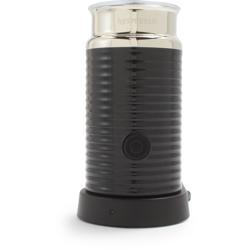
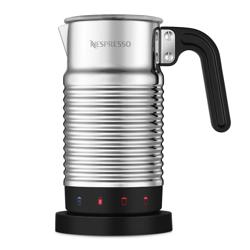
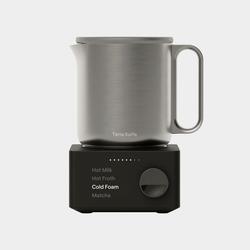
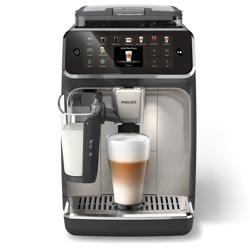
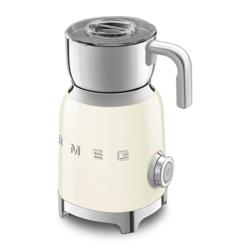
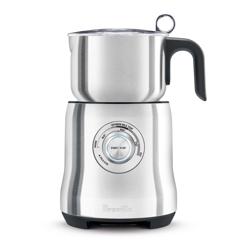
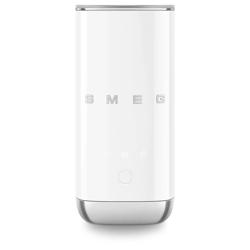
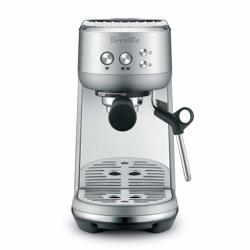
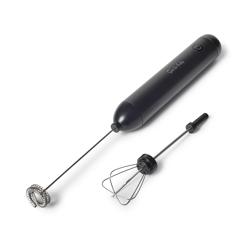
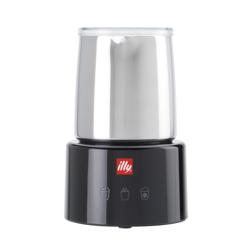
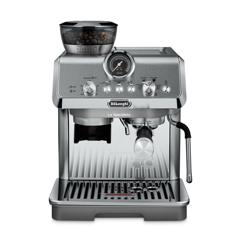
Espresso frothers aerate milk to create foam for lattes, cappuccinos and other espresso drinks. Common options include handheld whisks, automatic countertop frothers and steam wands built into espresso machines. Handheld frothers stir air into milk, automatic frothers typically combine whisking with heating and steam wands use pressurized steam to heat and texture milk. Each approach suits a different routine, from making a single afternoon latte to preparing several drinks at breakfast. A frother does not brew espresso; it prepares the milk that accompanies it. For someone who already enjoys making espresso at home, that addition can bring a familiar café drink within reach without changing the coffee setup. A compact handheld design is easy to tuck into a drawer and works well for small portions, though the milk generally needs separate heating for a hot drink. A countertop frother offers a more contained process, often with a removable whisk and settings that vary by model. Explore
Electric Milk Frothers with the daily routine in mind, whether the priority is simple operation, fewer separate vessels or the option to prepare foam without heating. For an espresso machine with a steam wand, a suitable frothing pitcher provides room to circulate the milk and helps control the pour. The finished texture matters as much as the method: a cappuccino welcomes a more generous layer of foam, while a latte benefits from finer bubbles blended through the milk. Dense, glossy microfoam suitable for detailed latte art generally calls for more control than a basic whisk can provide. For everyday drinks, though, a soft layer of foam can be satisfying on its own, especially when it carries a light dusting of cocoa or cinnamon. The most useful choice is one that matches both the drink and the amount of hands-on preparation that feels comfortable, rather than simply offering the longest list of settings.
When comparing espresso frothers, consider capacity, construction and how the vessel fits the space where coffee gets made. Frothing expands milk, so a container’s maximum fill line for foam may be lower than its limit for heating alone. That distinction matters when preparing two cappuccinos instead of one small latte, and it helps prevent spills from an overfilled jug. A handheld whisk also needs enough headroom in its cup or pitcher to keep milk from splashing onto the counter. Look for a vessel that feels stable during use, a handle that is comfortable to hold and a spout suited to pouring into the cups already in the cabinet. Stainless steel is a practical material for frothing pitchers because it tolerates repeated use and is easy to clean. Some automatic frothers have coated interiors that help milk residue release, but those surfaces need gentle utensils and cleaning tools to stay in good condition. A removable jug can make serving and rinsing easier, while a separate powered base needs a convenient, dry place near an outlet. Storage deserves attention, too: a small whisk may fit beside teaspoons, while a countertop unit needs space for its base, lid and cord. Milk choice also influences the result. Whole milk often produces a creamy texture, while lower-fat dairy milk can create a lighter foam. Oat, soy and other plant-based alternatives vary considerably by formulation; barista-style versions are designed for coffee preparation, but results still depend on the frother and its settings. No single device creates identical foam from every milk. For households with different drink preferences, adjustable settings or separate hot and cold functions may be more useful than extra capacity. Cold foam is particularly suited to iced espresso drinks, while heated milk with a modest amount of foam works well when a thick cappuccino topping is not the goal. Temperature control can also matter, since overheated milk can develop a cooked flavor that competes with the espresso.
Easy care helps make a milk frother part of an everyday routine rather than an appliance that stays in the cupboard. Milk leaves a film as it dries, so prompt cleaning is usually simpler than dealing with residue after several drinks. Removable whisks, accessible interiors and lids without hard-to-reach crevices are worth considering before choosing a design. Dishwasher-safe parts can reduce hands-on cleanup, but that designation should be checked for each component rather than assumed for the entire appliance. Electrical bases and motor housings should not be submerged, and coated interiors generally need a soft sponge rather than an abrasive scrubber. Steam wands require their own care, including wiping and purging according to the espresso machine’s instructions so milk does not dry around the tip. With handheld designs, cleaning the whisk without soaking the motor housing helps protect the working parts. Durability depends on construction as well as care: a secure whisk attachment, a sturdy handle and a lid that seats properly are useful details in equipment handled every day. For battery-powered options, consider how batteries are replaced or how the unit recharges, along with where it will rest between uses. A frother can be a thoughtful gift for someone who already owns an espresso machine, enjoys recreating a favorite café order or wants more flexibility with milk-based drinks. The best fit depends on what that person already uses. A simple handheld tool may suit someone with limited counter space, while an automatic jug can appeal to someone who prefers a single-button routine. A frothing pitcher makes more sense for a recipient whose machine already has a steam wand. Matching the tool to familiar habits keeps the gift useful, whether that means a morning cappuccino, an iced latte at lunch or steamed milk alongside an evening espresso. With the right balance of capacity, texture control and manageable cleanup, espresso frothers make it easier to prepare those drinks consistently at home.