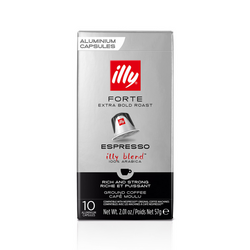
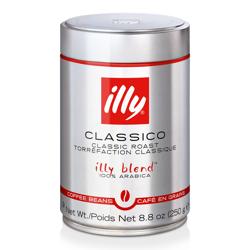
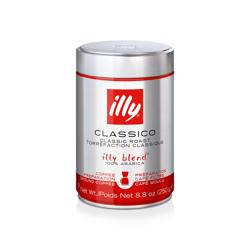
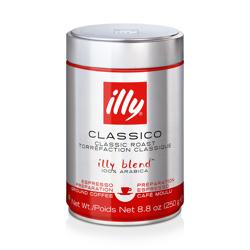
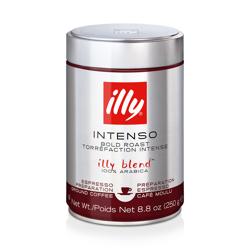
Espresso roast capsules contain premeasured ground coffee sealed in single-serving containers for use with compatible capsule espresso machines. They are generally associated with darker roasts, a full-bodied taste and flavors that hold their own in both a short espresso and milk-based drinks. Depending on the coffee and roast, those flavors may suggest dark chocolate, toasted nuts, caramel or molasses, with a pleasantly bittersweet finish. These tasting notes describe the coffee’s character rather than necessarily indicating added flavoring or sugar; the ingredient information makes that distinction clear. The appeal is straightforward: a measured portion, less loose coffee on the counter and a concentrated cup without grinding beans or tamping a portafilter. For someone who wants a dependable morning espresso before leaving home, that convenience can make a daily coffee routine easier to maintain. Choosing among espresso roast capsules is also a matter of taste, not simply finding the darkest roast or highest intensity number. Roast level describes how the beans were roasted, while intensity generally reflects a combination of characteristics such as body, roast character and perceived strength. Intensity scales are not standardized across manufacturers and should not be treated as caffeine measurements. A deeply roasted coffee can taste powerful without necessarily containing more caffeine than a lighter-tasting option. Words such as “smooth,” “roasty” and “bright” offer useful clues when considered alongside the flavor description. Someone who enjoys espresso without milk might prefer a rounded finish with less pronounced bitterness, while a latte drinker may appreciate enough roast character to remain noticeable beneath steamed milk. The blend matters, too: bean varieties, growing regions and roasting choices all influence what reaches the cup. Espresso roast describes a coffee style intended to work well as espresso, rather than a single flavor shared by every capsule. That leaves room for different preferences, from a balanced everyday shot to a bolder coffee reserved for a small cup after a meal.
Machine compatibility is the most important practical consideration when choosing espresso roast capsules. A capsule must be designed for the exact brewing system being used; similar shapes, matching colors or a familiar-looking rim do not establish that it will fit. Different systems can use different capsule dimensions, piercing mechanisms and brewing methods, and even machines associated with the same manufacturer may belong to separate, incompatible families. The compatibility statement on the packaging should match the machine’s system before flavor preferences or package size enter the decision. Serving recommendations matter as well. A capsule intended for a short espresso is not automatically suited to brewing a full mug, and pushing substantially more water through the same coffee can produce a thin or overly bitter result. For a longer drink, an espresso topped with hot water may preserve the intended flavor better than extending extraction beyond the recommended setting. Capsule construction also deserves attention. Depending on the design, the container may use aluminum, plastic or multiple materials, with a sealed lid that helps protect the ground coffee before brewing. Material alone does not establish compatibility, recyclability or brewing quality. Clear labeling, an intact seal and undamaged packaging are more useful considerations than assumptions based on appearance. Capsules should be stored according to their package directions, generally in a dry place away from direct sunlight, excess heat and moisture. A countertop holder can keep a daily supply within reach, while retaining the outer packaging preserves useful information such as the roast description, compatibility details and best-by date. Crushed, leaking or otherwise damaged capsules should not be forced into a machine. Single-use capsules are not designed for repeated brewing, and a second pass usually produces a weaker drink. For disposal, local recycling rules and any designated collection instructions determine the appropriate route; not every capsule belongs in a household recycling bin. Caring for the machine matters, too. Emptying the used-capsule compartment, cleaning removable parts and descaling according to the manufacturer’s directions help support consistent performance and dependable operation over time.
The best fit for a household often comes down to how coffee is actually enjoyed throughout the day. For a person who drinks one small espresso at breakfast, a capsule offers a measured serving without opening a larger bag of ground coffee. In a shared kitchen, individually sealed portions let different coffee drinkers choose their preferred roast without changing the beans in a grinder. They can also be useful for occasional espresso drinkers who value simple preparation more than adjusting grind size and extraction settings. A rich espresso roast is a natural foundation for a cappuccino, where the coffee needs enough presence to balance steamed milk and foam. In a latte, its toasted or cocoa-like notes can complement dairy milk or a preferred plant-based alternative, though the final balance depends on the amount and character of the milk. For an Americano, hot water opens up the concentrated shot into a longer drink without requiring a different capsule format. Espresso can also bring depth to an affogato, soaking into vanilla ice cream and creating a contrast between bitter coffee and sweetness. Those uses make flavor descriptions worth reading closely: a pronounced smoky finish may suit one person’s straight espresso but overwhelm another person’s dessert. Cup size and shape influence the experience as well, with a small espresso cup keeping a short serving together rather than spreading it across the bottom of a large mug. When considering
Premium Coffee Capsules, the most useful comparison is between options made for the same machine and intended serving style. For gifting, knowing the recipient’s exact machine system is essential, followed by whether they prefer straight espresso, milk drinks or decaffeinated coffee. A compatible roast that reflects an established preference is more thoughtful than choosing by intensity alone. Whether intended for an everyday kitchen routine, a shared coffee station or an after-dinner cup, espresso roast capsules bring together convenient preparation and the distinct pleasure of a small, richly flavored coffee.