-
(74)
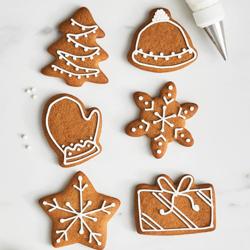
Cooking Class Description: In this festive, all-ages class, you’ll master the surprisingly simple decorating techniques for using royal icing to transform gingerbread and sugar cookies into edible holiday fun. You will get hands-on experience incorporating...
-
(3)
Cooking Class Description: Create adorable, edible snowpeople in this class full of family fun! Our chef instructor will walk you through creating three increasingly sized Pâte à Choux, then filling them with a sweet Pastry Cream. Everyone will laugh...
-
Cooking Class Description: Get into the spirit of the season in this class, designed to bring families together, unleash their creativity and craft sweet treats. Our chef instructor will guide you and your little ones in creating three delightful autumnal-inspired...
-
Cooking Class Description: Bake up sweet memories and delicious desserts with the whole family! In this family-friendly class, our chef instructor will guide you through preparing, baking and assembling Whoopie Pies, Brownie S’mores Bars and Elephant...
-
Cooking Class Description: Hand pies are a delightful bite-sized treat, and this class teaches your whole family how to make them completely from scratch. Kids and adults can mix and roll out a flaky pie dough, then fill and seal it around a spiced apple...
Family Baking Classes
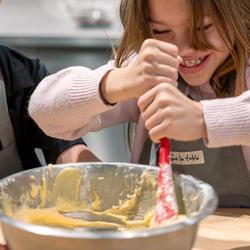
Find family baking classes for a chance to learn new skills and spend time together in the kitchen. Browse the available sessions and review each class’s focus, schedule, and any age requirements to choose a baking experience that fits your family.


Best Of FAQ
Family baking classes are guided lessons where family members explore recipes and baking techniques together. They combine instruction with time to mix, shape or decorate baked treats, depending on the class theme.
Look for a beginner-friendly class if your family is new to baking. Read the class description for the expected experience level and techniques covered so you can choose a lesson that feels comfortable for everyone.
Depending on the lesson, families may explore mixing batters, kneading and shaping dough, following recipe steps or decorating baked treats. The class description should outline the recipes and techniques featured.
Start with what your family enjoys baking or eating, then consider whether you want to revisit a favorite or try something new. Compare the recipes, techniques and experience level listed in each class description.
Pick a recipe from your lesson to make again at home, and let each family member choose a task. Keep notes on what you enjoyed and what you would like to try next to help plan your next family baking day.


-
"already planning his first batch this weekend of which I will be the lucky recipient, thank you for a great"
-
"Excellent class with great baking advice! I look forward to my next class"
-
"Didn't love being in a group of four working on one meal"
-
"Excellent class with great baking advice! I look forward to my next class"
-
"already planning his first batch this weekend of which I will be the lucky recipient, thank you for a great"