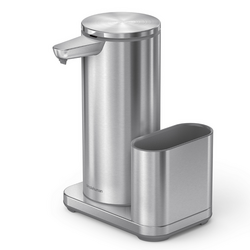
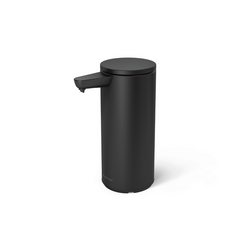
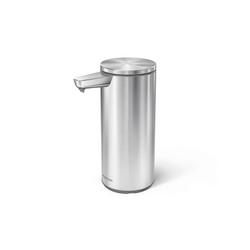
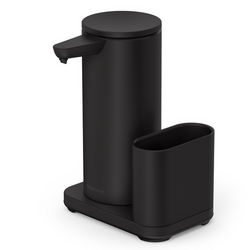
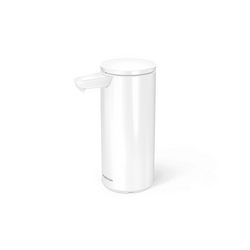
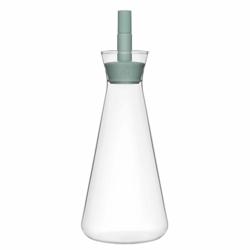
Family-friendly touchless soap dispensers release soap when a hand moves beneath the sensor, making it easier for children and adults to wash without pressing a pump. Useful features include adjustable soap output, a stable base, an easy-to-fill reservoir and a housing designed to tolerate everyday splashes. At a busy kitchen sink, that hands-free operation has a practical appeal: fingers dusted with flour or sticky from slicing fruit can reach for soap without leaving another surface to wipe down. In a shared bathroom, a well-placed dispenser gives everyone a consistent spot to start a handwashing routine. Touchless operation can also be helpful for people who find small pump heads awkward to grip or press, although sensor placement and responsiveness affect how comfortable a dispenser feels to use. For younger children, the best fit is less about novelty than a simple, predictable action they can repeat with an adult nearby. A spout that leaves enough room for a small palm, a clearly visible dispensing area and a base that stays put all contribute to that experience. Adjustable output, where offered, lets the household fine-tune the amount of soap delivered rather than accepting an oversized dollop at every wash. It can help limit excess soap on the counter, though a curious child may still activate the sensor more than once. Foaming and liquid designs offer different textures: foaming dispensers mix a compatible soap solution with air, while liquid dispensers deliver soap that lathers as hands rub together. Neither format replaces thorough washing with soap and water for at least 20 seconds. A timed or visual cue, when included, may help children stay with the routine, but dispensing soap alone does not tell them how long to scrub. The everyday value comes from making that first step easier, whether hands need washing before breakfast, after outdoor play or in the middle of preparing dinner.
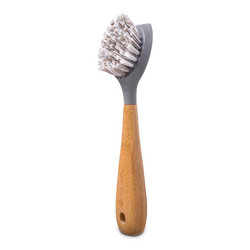
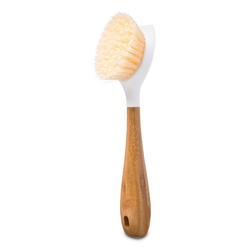
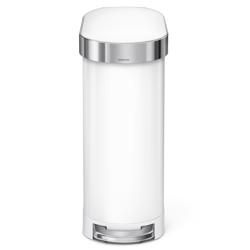
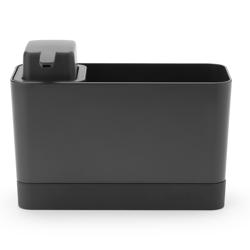
Materials, proportions and placement help determine how comfortably a touchless dispenser fits into a family’s space. Stainless steel housings have a clean, understated look that works alongside kitchen faucets and appliances, although fingerprints and water spots may show differently depending on the finish. Plastic housings are generally lighter and avoid the breakage concerns of glass around a sink, but stability still matters when sleeves brush the counter or several people crowd in to wash. A broad footprint or nonslip base can help keep the dispenser from shifting during ordinary use. On a narrow bathroom ledge, a compact body may be more useful than a large reservoir; beside a roomy kitchen sink, extra capacity can mean fewer refills for a household that cooks frequently. Exterior size does not always indicate how much soap a dispenser holds, so both capacity and overall dimensions deserve attention. The spout needs to extend far enough for soap to land in a waiting hand rather than run down the housing, with clearance beneath it for adults as well as children. Placement also affects sensor performance. A dispenser tucked too close to a basin wall, reflective surface or frequently moved dish may respond differently than one with a clear sensing area, making the manufacturer’s placement recommendations worth following. Leave enough room to lift the lid or access the refill opening without rearranging everything around the faucet. A visible fill level can make it easier to notice when soap is running low, while a wide opening helps keep refills from becoming another cleanup task. For households that prefer a coordinated sink area, a simple finish can sit comfortably with a sponge holder, dish brush and
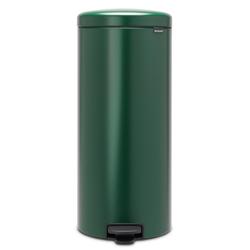
Soft Touch Kitchen Garbage Bins nearby. The goal is a working space where everyday essentials are within reach without crowding the area needed to rinse vegetables, fill a pot or help a child wash.
Long-term convenience depends as much on soap compatibility and care as it does on hands-free dispensing. Automatic dispensers are designed for particular soap types and consistencies, so liquid hand soap and foaming refills should not be treated as interchangeable. A formula that is too thick, contains exfoliating particles or falls outside the manufacturer’s recommendations may interfere with dispensing. Foaming models generally require soap intended for that system; diluting another formula is only appropriate when the dispenser and soap instructions allow it. For family handwashing, the soap itself also deserves consideration, especially when someone prefers a fragrance-free formula or has sensitivities. A dispenser’s foam texture does not establish whether the soap is gentle on skin. Around either sink, dried residue at the outlet and splashes across the sensor window can affect everyday operation. Wiping the exterior with a soft cloth and cleaning the nozzle as directed helps keep the dispenser ready for the next pair of hands. Water resistance varies by design, and a splash-resistant housing is not the same as one that can be submerged or rinsed under the faucet. Any stated water-resistance rating should be read alongside the care instructions, particularly around charging ports and battery compartments. Rechargeable designs require occasional charging and suitable access to power, while replaceable-battery designs need a securely closed compartment and periodic battery changes. Charging connections should be dry before use, and batteries and refill soap should stay out of children’s reach. These practical details matter in a dispenser that may be used repeatedly from the morning rush through dinner cleanup. They also make thoughtful considerations for a housewarming gift or a useful addition to a shared family bathroom. During the cooler months, when baking projects and meals at home bring more activity to the kitchen, an uncomplicated soap setup can earn its place beside the faucet. A durable, appropriately sized touchless dispenser supports the household’s existing habits without demanding much attention, keeping soap accessible for little hands, visiting grandparents and whoever is taking the next turn at the sink.