-
(14)
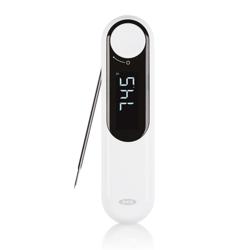
A compact, ergonomic thermometer with a folding probe and wide temperature range from -40°F to 450°F.
Pros: accuracy, easy to use, effectiveness
-
(3)
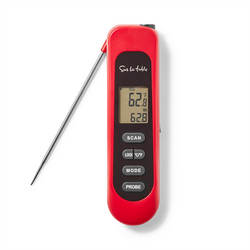
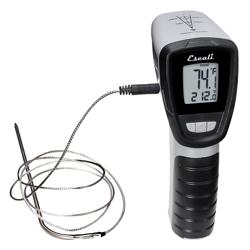
A folding digital thermometer with infrared and probe modes for checking surface and internal temperatures, respectively, with a backlit display.
Pros: works fine, pretty good, non-contact measurement
-
(1)
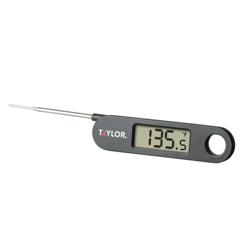
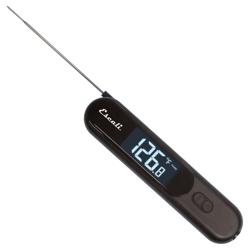
A versatile black digital thermometer with infrared and probe modes, perfect for checking surface and internal temperatures.
Pros: love it
-
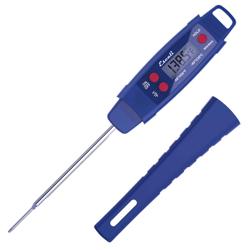
A trustworthy blue digital thermometer with a stainless steel probe that reads temperatures accurately in seconds.
-
(11)
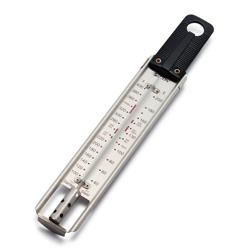
A durable silver thermometer with an 8-inch color-coded scale for accurate candy and deep frying temperatures.
Pros: accurate temperature, easy to use, works as advertised
-
(4)
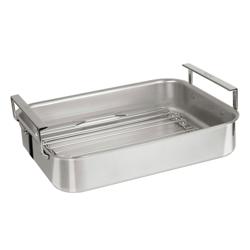
A versatile silver roaster with handles and a meat thermometer for perfect holiday and everyday cooking.
Pros: easy to clean, lasts, works well
Food Thermometer
A food thermometer is a must-have for almost any kitchen. It's used to ensure that meat, poultry, and fish are cooked to the proper temperature for safety. It also helps to ensure that food is cooked to the desired doneness. Using a food thermometer is an easy and accurate way to check the temperature of food while it's cooking. Here are some great options.
Food Thermometer
FAQ List
There are several types of food thermometers available, including instant-read thermometers, probe thermometers, and infrared thermometers.
Using a food thermometer ensures that food is cooked to the appropriate temperature, which is important for both safety and taste. Undercooked food can be dangerous to consume, while overcooked food can be dry and tough.
When choosing a food thermometer, consider the type of food you will be cooking, the level of accuracy you require, and the ease of use and durability of the thermometer.
Yes, food thermometers can be used for grilling to ensure that meat is cooked to the appropriate temperature and safe for consumption.
Most food thermometers are easy to clean. Simply wipe the probe with a damp cloth or wash it with soap and water. Be sure to follow the manufacturer's instructions for cleaning and storage.
-
"My grandsons love this thermometer. Outstanding"
-
"Love it! Planning on purchasing 2 more as gifts soon"
-
"My grandsons love this thermometer. Outstanding"
-
"My grandsons love this thermometer. Outstanding"
-
"Great product"