-
(18)
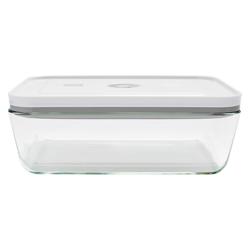
A white borosilicate glass fridge container that keeps food fresh up to five times longer.
Pros: keeps food fresh, easy to use, stackable
-
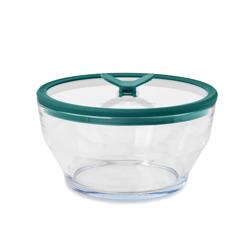
A durable green glass container with a vented lid, ideal for cooking, storing, and reheating meals.
-
(11)
A durable, stackable container with a tight-fitting lid to keep food fresh, made of scratch-resistant silicone material.
Pros: perfect size, usefulness, easy to use
-
(20)
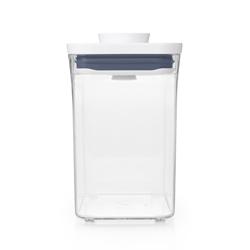
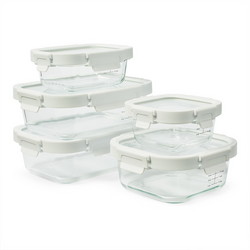
A durable, clear container with non-slip bottoms and tight-fitting lids for stackable storage of food.
Pros: keeps food fresh longer, freshness preservation, works well
-
(8)
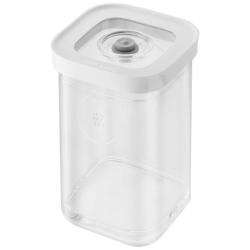
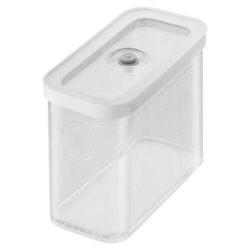
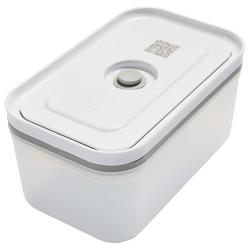
A white Zwilling Fresh & Save vacuum container with a compartment divider for keeping food fresh and organized.
Pros: practical, trusted brand, keeps produce fresh longer
Fridge Containers
A fridge container is a small plastic or glass container that is used to store food in a refrigerator. These containers are designed to keep food fresh and safe from contamination. They are also useful for portion control, as they are often sold in a variety of sizes. Here are some great options.
Fridge Containers
FAQ List
Fridge containers are containers made from high-quality materials that are safe for food storage. They are designed to keep your food fresh, organized, and easy to access in your fridge.
When choosing fridge containers, you should consider the materials, size and shape, type of lid, and overall design and style of the containers. Look for containers that are BPA-free, dishwasher safe, and have tight-fitting lids.
Fridge containers are perfect for anyone who loves to cook, entertain, or wants to keep their fridge organized and food fresh. They are great for busy families, college students, and anyone who wants to reduce food waste and save money by extending the shelf life of their food.
Yes! Fridge containers make a great gift for anyone who loves to cook or entertain. They are practical, versatile, and come in a variety of designs and styles to match any kitchen decor.
Absolutely! Fridge containers are perfect for meal prep and portion control. They make it easy to prepare healthy meals in advance and store them in the fridge for later. This is a great way to save time and stay on track with your healthy eating goals.
-
"Great products from Zwilling and best place to buy if you can find the deals"
-
"Whether you get it in white or stainless steal, both colors work great"
-
"Great if you have arthritis. Keeps food fresh. I like that it is glass, safer than plastic"
-
"Love knowing they are sealed"
-
"Great if you have arthritis. Keeps food fresh. I like that it is glass, safer than plastic"