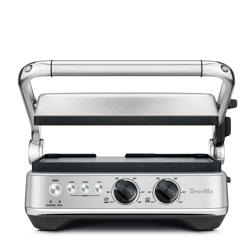
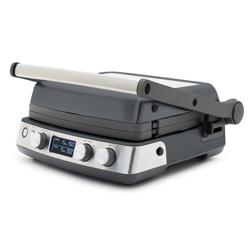
Functional grills bring more than one cooking capability to an outdoor setup, combining features such as direct-heat grilling, indirect roasting, smoking or flat-top cooking in a single unit. Depending on the design, that versatility may come from separate cooking zones, interchangeable surfaces, adjustable fuel beds or compatibility with multiple fuel types. The practical benefit is flexibility: you can sear steaks over concentrated heat, move thicker cuts to a gentler area to finish cooking or prepare vegetables alongside the main course without giving everything the same treatment. Not every grill supports every method, so the most useful choice is one whose capabilities match the meals you enjoy making. For a household that grills a few nights a week, easy ignition and responsive heat adjustment may matter more than a long list of cooking modes. For someone who enjoys tending a fire through a leisurely afternoon, access to the fuel bed, adjustable vents and room for indirect cooking can make the experience more satisfying. Picture a familiar dinner outside: chicken browning on one side, wedges of cabbage softening on the other and enough open space to move food when the heat gets too lively. That breathing room is part of what makes a grill functional, not just its total cooking area. Look at the shape and layout of the usable surface as well as its stated size. A broad surface can accommodate skewers and longer vegetables, while distinct heat zones help when foods need different temperatures or finishing times. A warming rack offers a place to hold toasted buns briefly, but it does not replace primary cooking space. During the cooler months, a well-fitting lid and sturdy construction are useful considerations for covered cooking. Wind and outdoor temperature still affect performance, making a suitable location and dependable temperature control important companions to any versatile design.
Fuel choice shapes both the flavor of a meal and the amount of attention cooking requires. Gas grills offer convenient ignition and straightforward heat adjustment, making them appealing for cooks who want to get dinner started without building a fire. Charcoal offers the experience of cooking over glowing coals, with heat managed through fuel placement and airflow. Hardwood can contribute distinctive smoke flavor in equipment designed to burn it, while pellet grills feed compressed wood pellets into a fire pot and commonly use electronic controls to maintain a selected cooking temperature. Gravity-fed charcoal designs move fuel down from a hopper as it burns; some pair that system with fan-assisted temperature control. These approaches can make longer cooking sessions easier to manage, although fuel supplies, maintenance and monitoring still matter. Pellet grills and electronically controlled systems generally need access to electricity, something worth considering before choosing a spot on the patio. Multi-fuel grills provide another kind of flexibility, but the term does not mean that any fuel can go anywhere in the unit. Check which fuels the manufacturer permits, whether changing between them requires a conversion and whether separate chambers can operate at the same time. Cooking surfaces deserve just as much attention. Open grates expose food to radiant heat and allow drippings to fall below, while a solid griddle surface keeps small ingredients from slipping through and provides broad contact for browning. For cooks drawn to that continuous cooking surface,
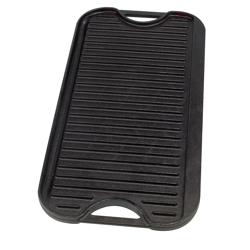
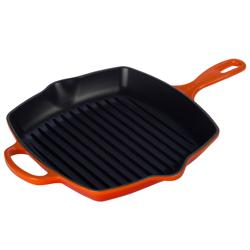
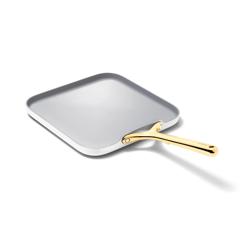
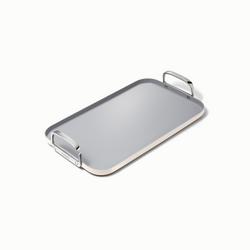
Flat Grills offer a related option for preparing foods such as chopped vegetables, eggs and burgers. A grill-griddle combination may suit households that enjoy both styles, provided each section has enough room for a useful portion. Smoking and roasting bring their own requirements: a covered chamber, a layout that keeps food away from intense direct heat and controls suited to sustained cooking. The ability to reach a high temperature alone does not establish how well a grill will hold a gentle one.
A functional outdoor grill should fit the space around it as comfortably as it fits your cooking habits. Freestanding designs offer flexibility in placement, while built-in grills require careful planning around the enclosure, ventilation and fuel connections. Compact designs can suit smaller households or modest patios, but a small footprint never removes the need for the manufacturer’s specified clearances. Outdoor grills belong outside, away from enclosed spaces and combustible materials, even when cooler weather makes shelter tempting. Beyond placement, consider the everyday details you will notice after the first few meals. A lid that opens comfortably, controls you can read easily and a stable base all contribute to a better cooking experience. Side shelves give a tray of uncooked food or a clean serving platter a convenient landing place; having room for separate trays helps keep the workflow sensible. For grills meant to move, sturdy wheels and secure locking mechanisms are worth a close look. Materials and maintenance requirements also influence long-term satisfaction. Stainless steel still needs regular cleaning, and cast iron cooking surfaces may require seasoning and thorough drying according to the manufacturer’s directions. Accessible grease trays, removable ash containers and cooking surfaces that are manageable to lift make routine care less cumbersome. Storage for a compatible cover and any removable components is worth thinking through before the grill arrives. These practical considerations are especially helpful when choosing a grill as a gift. An enthusiastic outdoor cook may appreciate more control over fuel and airflow, while a busy household may get more use from simple operation and uncomplicated cleanup. For a housewarming or shared family gift, confirm the recipient’s available space, permitted fuel type and appetite for maintenance rather than choosing by size alone. The right functional grill earns its place through repeated use: an easy supper after work, a slow-cooked meal on a quiet afternoon or a generous spread when friends gather. Useful versatility means having the cooking options you reach for, with a layout that makes preparing and sharing food feel natural.