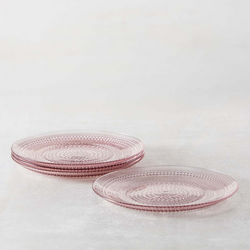
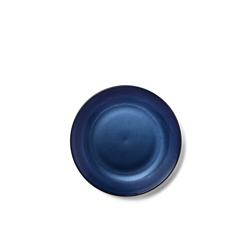
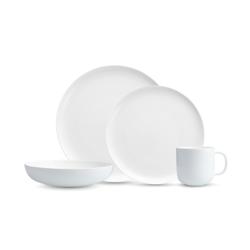
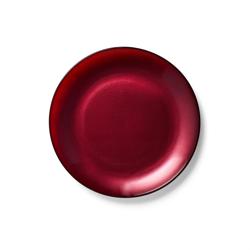
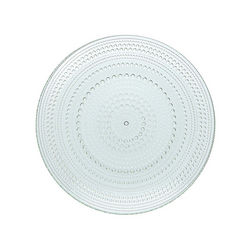
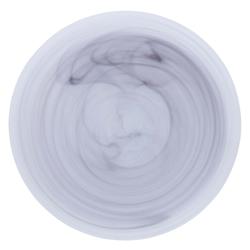
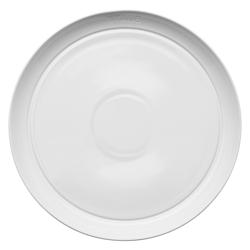
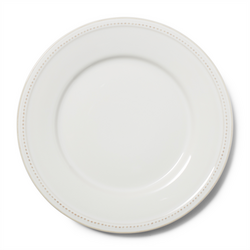
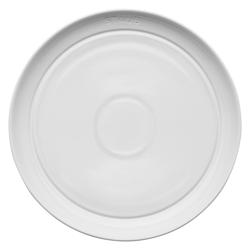
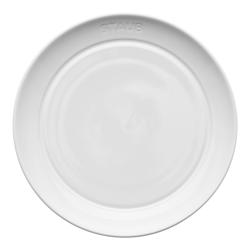
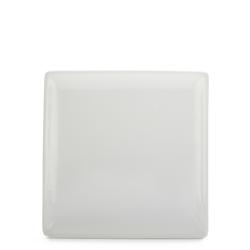
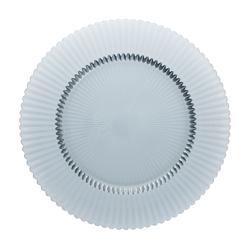
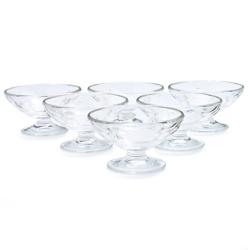
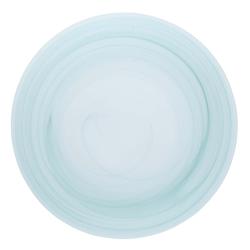
Glass dining plates are dinnerware made from glass, offering a nonporous surface that is easy to clean and does not readily absorb food odors. Their appeal goes beyond a sleek, modern look: clear glass can blend into an existing table setting, while colored, opaque or textured glass brings its own character to a meal. A transparent plate lets a woven placemat or patterned tablecloth show through, creating a layered setting without adding another competing pattern. Against that simple backdrop, roasted carrots, a crisp green salad or a slice of berry tart can become the visual focus. Tinted glass adds a softer wash of color, and molded details can catch the light around the rim. Smooth glass feels understated, while a rippled edge or subtle surface pattern can give an otherwise simple setting more texture. These differences make glass plates useful for everything from a quiet breakfast to a dinner with friends, depending on their size, shape and care requirements. For everyday meals, a comfortable eating surface and an easy-to-handle profile often matter more than elaborate decoration. For entertaining, the relationship between the plate, flatware and serving pieces can help the table feel thoughtfully put together. Clear glass works alongside many ceramic dishes without requiring an exact color match, which is helpful when combining dinnerware collected over time. Opaque glass offers a more solid backdrop, closer in appearance to some ceramic dinnerware, while retaining the distinct feel of glass. The finish also affects how the plate looks once food is served: a smooth center keeps the presentation simple, while texture around the border adds detail without crowding the meal. A plate that looks delicate may still be designed for regular use, but appearance alone does not establish its strength or suitability. The most useful choice is one that feels at home with both the food being served and the way the table gets used.
Size, weight and shape make a noticeable difference in how glass dining plates fit into a daily routine. A broad plate gives a main dish and sides room to sit separately, while a smaller plate may be more comfortable for lunch, dessert or a table with limited space. The usable center matters as much as the overall diameter. A wide decorative rim can frame a meal beautifully but leave less room for food than a narrower rim on a plate of the same size. A gently raised edge helps contain dressings and pan sauces, while a flatter profile can make it easier to cut food and slide a serving utensil underneath a portion. For shared meals, consider how much room each place setting leaves for glasses, napkins and serving dishes. Plates that fit comfortably on the table should also fit the cabinet shelf and, when dishwasher safe, the dishwasher rack without touching neighboring pieces. Weight deserves attention, too. A substantial plate can feel reassuring in the hand, but a full stack may be cumbersome to lift from an upper cabinet. Glass composition and manufacturing methods also influence durability. Tempered glass is treated to improve its resistance to impact and temperature changes compared with ordinary, untreated glass, though it is not unbreakable. Thickness alone does not tell the whole story, and even sturdy glass can chip when knocked against a sink or another dish. Heat tolerance varies, so a glass dining plate should not be assumed safe for the microwave, oven or freezer unless the manufacturer specifies that use. A plate intended for serving is not automatically suitable for baking or reheating. For households where plates move frequently between the kitchen, table and dishwasher, clear care instructions and manageable weight can be especially valuable. For someone who enjoys arranging individual courses, the proportions and rim design may carry more importance.
Caring for glass dining plates is largely about protecting their surfaces and edges while following the manufacturer’s directions. Dishwasher-safe plates can simplify cleanup after a family meal or a full table of guests, but they still need enough space in the rack to avoid bumping together during the cycle. Hand-washing calls for a gentle dish soap, a soft sponge and careful handling around the rim; abrasive pads can scratch glass and dull its appearance. Drying with a soft towel helps limit visible water spots, especially on clear surfaces where droplets and fingerprints are easier to see. A cloudy film may come from mineral deposits or detergent residue, while permanent dishwasher etching can also create a hazy appearance, so not every cloudy surface will respond to additional washing. Avoid sudden temperature changes, such as placing a hot plate in cold water, and retire plates with chips or cracks rather than continuing to use them for meals. When storing a stack, lower each plate into place instead of sliding it across the one below; soft separators may help protect decorative finishes when recommended by the manufacturer. Beyond care, glass plates are easy to work into a coordinated but personal table setting. Pair them with
glass dinnerware bowls for meals that include soup, grain salads or fruit, or combine them with ceramic serving dishes for a contrast in texture. Matching every piece is less important than keeping the scale and overall look comfortable together. For a housewarming or wedding gift, glass dining plates can be a thoughtful choice when their style and care requirements suit the recipient’s routine. Someone furnishing a first kitchen may appreciate versatile plates that work with different linens and flatware, while a frequent host may enjoy a distinctive texture for setting the table. Everyday usefulness gives that gift staying power: plates should feel as welcome beneath a simple sandwich as they do beneath a carefully prepared dinner.