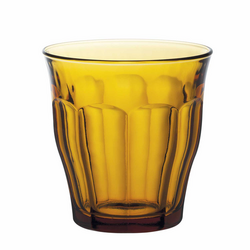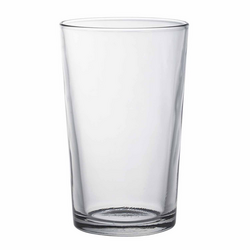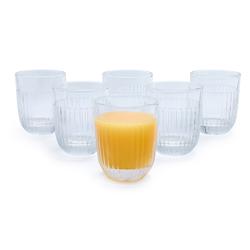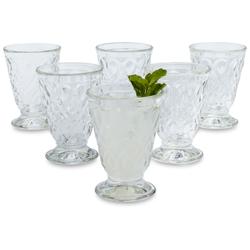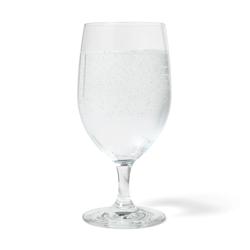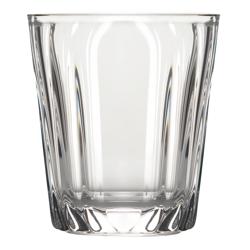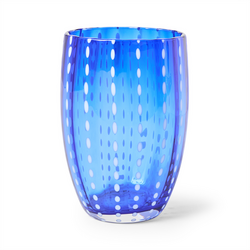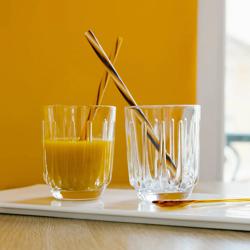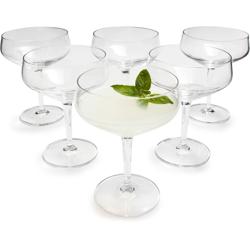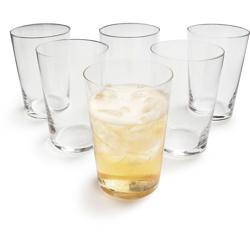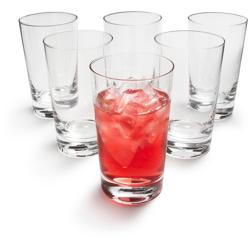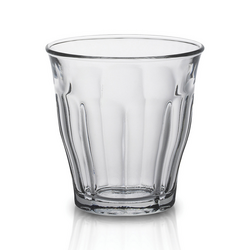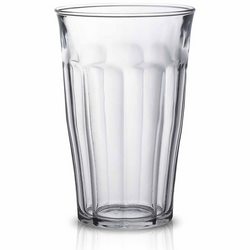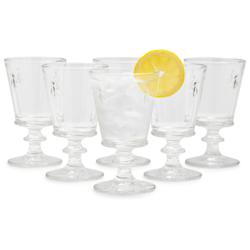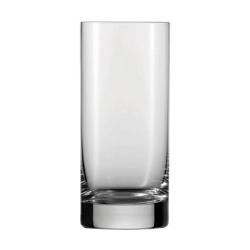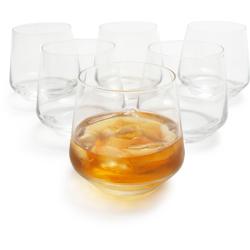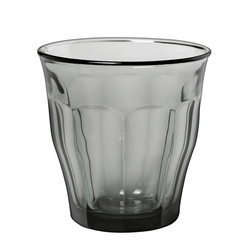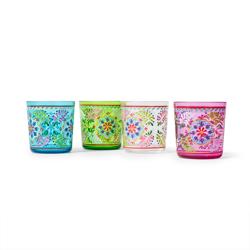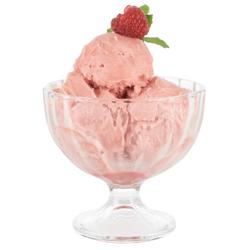
Glass drinking cups include everyday tumblers, tall highball and Collins glasses and short rocks glasses for water, juice, iced tea and cocktails. Their appeal is simple: glass lets the drink itself become part of the table, whether that means sparkling water with a slice of lime or fresh orange juice beside breakfast. Everyday tumblers offer a versatile starting point, with shapes that feel just as natural at a weekday lunch as they do at a dinner with friends. A capacity of 12 to 16 ounces generally leaves room for a generous serving of water or iced tea, though ice takes up some of that space. Smaller glasses can suit juice, modest pours and tables where a large cup would crowd the place setting. Short rocks glasses have a low profile that works well for drinks served over ice, while tall, narrow highball and Collins glasses provide room for mixers and longer drinks. These categories overlap in everyday use; a rocks glass can be a comfortable water glass, and a tall tumbler can serve lemonade without belonging to a home bar. Shape matters as much as capacity. A broad opening makes room for ice and garnishes, while a narrower body may be easier to hold in a smaller hand. A substantial base can give a glass a reassuring feel on the table, but extra weight is not always desirable when carrying several filled cups from the kitchen. For households that move easily between meals, snacks and entertaining, a consistent everyday shape makes setting the table straightforward. Different sizes in a similar style can also serve distinct purposes without making the cupboard feel like a collection of unrelated pieces. Think about the drinks poured most often, the hands that will hold the glasses and the space beside the plate. Those practical details help distinguish a cup that looks appealing from one that becomes part of the daily routine.
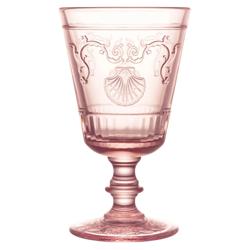
The material and finish of glass drinking cups influence how they feel, how they look and how well they suit their intended use. Standard glass is common in everyday drinkware, while tempered glass undergoes a treatment that generally improves its resistance to mechanical and thermal stress compared with comparable untreated glass. Tempered glass is still breakable, so it should not be treated as shatterproof. Borosilicate glass resists temperature changes better than many conventional glass formulations, but suitability for hot drinks still depends on the individual vessel and its care instructions. Crystal and lead-free crystal can offer clarity and a refined appearance for a more dressed-up table, with handling and cleaning requirements that vary by construction. Thickness alone does not establish durability: the rim, base, manufacturing method and everyday handling all play a role. A fine rim can feel pleasant against the lips, while a thicker rim may feel more substantial. Smooth sides emphasize the color of a drink, and ribbed or textured surfaces add visual interest and a different feel in the hand. Clear glass works easily alongside patterned plates, colorful linens and simple white dinnerware because it does not introduce another dominant color. Tinted glass can bring a deliberate accent to the table, while faceted shapes catch the light and give an otherwise simple place setting more character. Comfort deserves equal attention. A cup should feel balanced when full, not just when empty, and its diameter should suit the people using it. Storage is another everyday consideration, especially for taller glasses that may not fit beneath a low cabinet shelf. Stackable designs can make better use of cupboard space, but glasses should only be nested when they are designed for it. For coffee, tea and other hot beverages,
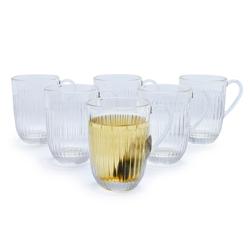
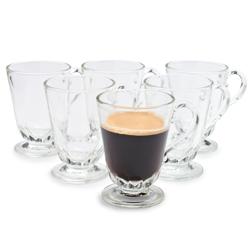
Glass Mugs offer a related option with handles; choose designs specifically rated for the drinks they will hold. Drinking cups intended for water or cocktails should not be assumed safe for boiling liquids simply because they are made of glass.
Good care helps glass drinking cups stay pleasant to use, whether they serve a busy household or come out for meals with guests. Dishwasher-safe designs can simplify cleanup, but the manufacturer’s instructions should determine the cleaning method. In the dishwasher, leave enough space to prevent glasses from touching each other or nearby utensils, and position them securely rather than wedging them between supports. A glass that fits comfortably in a cabinet may still be too tall for a particular dishwasher rack, so both spaces matter. For glasses that require hand-washing, mild dish soap, a soft sponge and thorough rinsing are practical essentials. Avoid abrasive scrubbers that can mark the surface, and take care around the rim when drying. Mineral deposits can leave a cloudy film, while permanent surface damage may also appear cloudy; the cause determines whether cleaning will restore clarity. Following care recommendations is more useful than repeatedly scrubbing a delicate surface. Glasses also benefit from gentle handling at the sink, where contact with a faucet or another dish can chip an edge. Any cup with a chipped rim or a visible crack should be taken out of use. When choosing a group of drinking glasses, consider the number used between dishwasher loads as well as the number of people seated for dinner. A household that reaches for fresh water glasses throughout the day may need a different mix than one that mainly uses them at meals. Keeping a consistent shape can make serving guests easier, while pairing tall tumblers with smaller glasses adds flexibility for different drinks. Glass drinking cups also make thoughtful gifts for a first apartment, a housewarming or a couple establishing a shared kitchen. Familiar, versatile shapes are often easy to fit into an existing collection, especially when the recipient’s tableware style is unknown. For someone who enjoys making cocktails, proportions suited to their favorite drinks may be more meaningful. Whether the priority is comfortable everyday use, an uncluttered cupboard or a table set for company, well-chosen glassware brings together appearance and practical function without needing to be reserved for a special occasion.