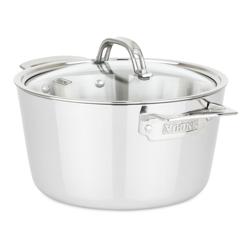
-
(45)
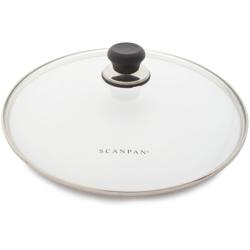
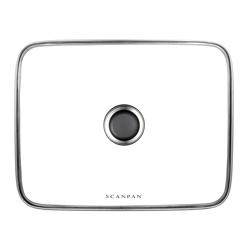
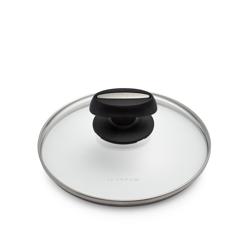
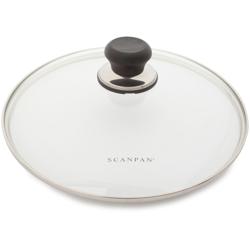
A durable glass lid with a stainless-steel rim and cool-touch bakelite knob, designed for Scanpan cookware.
Pros: fit, lid, visibility
-
A clear, heat-resistant glass lid with an ergonomic Bakelite knob for easy removal.
-
(1)
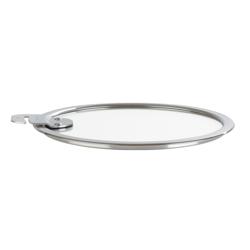
A compact and versatile glass lid collection compatible with Cristel Strate vessels, offering efficient storage and precise pouring.
Pros: easy handle attachment
-
(102)
A clear glass lid with a heat-resistant Bakelite knob that seals tightly to lock in heat and moisture.
Pros: perfect fit, fit, quality
-
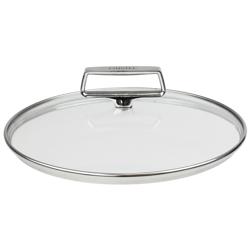
A clear tampered glass lid with rounded shape and large handles for Cristel Pro cookware.
-
(10)
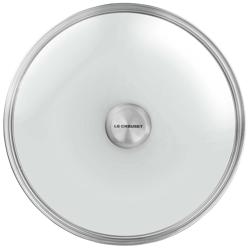
A 12" tempered glass lid that locks in heat and moisture while allowing you to monitor cooking.
Pros: glass top
-
(45)
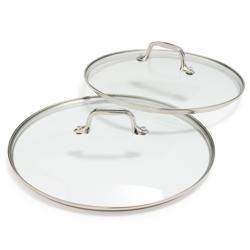
A set of two oven-safe glass lids that fit All-Clad HA1 skillets and sauté pan perfectly.
Pros: quality, good fit, fit
-
(22)
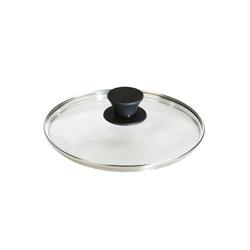
A clear glass lid with a silicone knob and stainless steel banding, designed to fit Lodge cookware.
Pros: fit, works great, versatility
Glass Lid
A glass lid is a type of cover that fits over the top of a pot, pan, or other container. These glass lids are often made of tempered glass, a type of glass that is heated and cooled in order to make it more durable and resistant to shattering. These are also often made with a stainless steel or aluminum rim, which helps to provide a secure fit and keep the lid in place. Here are some great options.

Glass Lid
FAQ List
Glass lids come in a variety of sizes to fit different pots and pans. Be sure to measure the diameter of your cookware before purchasing a glass lid to ensure a proper fit.
Most glass lids are dishwasher safe, but it's always best to check the manufacturer's instructions before putting them in the dishwasher.
Glass lids are typically oven safe up to a certain temperature, but it's important to check the manufacturer's instructions before using them in the oven.
Glass lids are generally durable and can withstand high temperatures, but they can break if dropped or mishandled. Thicker glass is generally more durable than thinner glass.
Glass lids can be used on induction cooktops as long as they are made with a magnetic material that is compatible with induction cooking. Check the manufacturer's instructions to ensure compatibility.
-
"i love the 3 set all clad pans. I ordered the lids separately and the are great"
-
"I do love the size of this pan though. Great for making pasta and soap dishes"
-
"Great fit for a great pan"
-
"Fits great! Stops the splashing etc"
-
"Love cooking in my large pan and it's great to put in oven for last fees minutes on certain recipes"