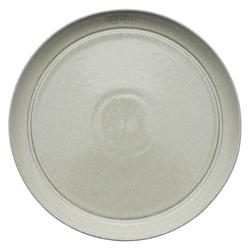
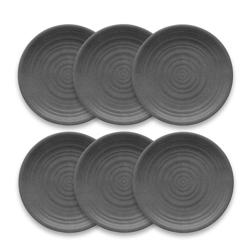
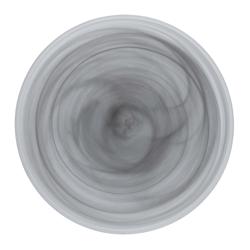
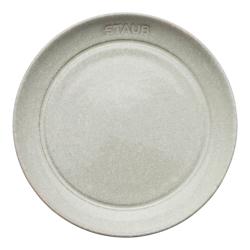
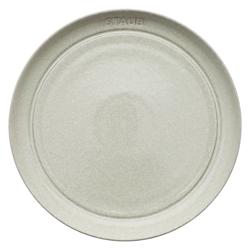
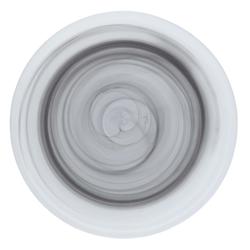
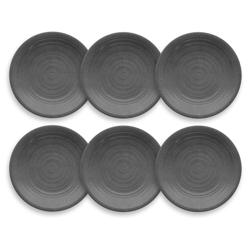
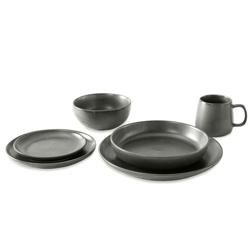
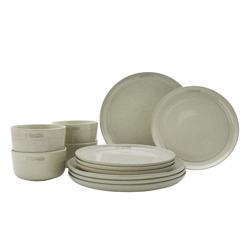
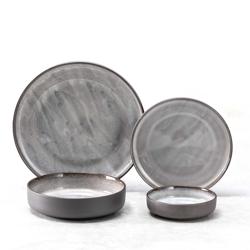
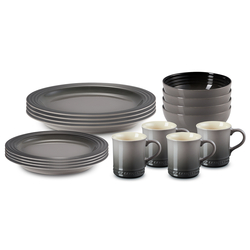
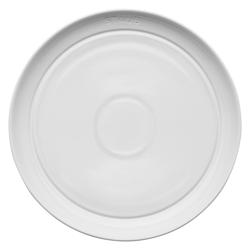
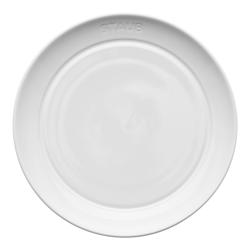
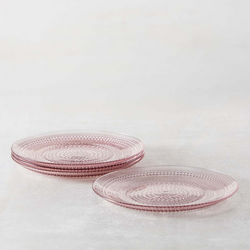
Gray plates are neutral-toned dinnerware for everyday meals and special occasions, with shades ranging from pale dove gray to deep charcoal. Common materials include porcelain, stoneware and other ceramics, while finishes can be glossy, matte, speckled or subtly textured. The appeal is practical as well as visual: gray gives food a distinct backdrop without tying the table to one color scheme. Roasted carrots, leafy salads and golden pastry stand out against a charcoal surface, while lighter gray keeps a table feeling open and understated. A warm gray with brown undertones sits comfortably beside wood furniture and cream linens; a cooler, blue-leaning gray pairs naturally with crisp white napkins and clear glassware. Because lighting changes how these shades appear, consider the room where the plates will be used most often, whether that is a sunlit breakfast nook or a dining table lit by shaded lamps. Shape adds another layer of character. A broad rim frames a meal and leaves room to grip the plate, though it reduces the usable center compared with a rimless plate of the same diameter. A coupe shape has a gently curved edge and an uninterrupted surface that suits everything from a sandwich with greens to a carefully arranged dinner. Raised edges can help contain dressings and sauces, while flatter profiles give a composed dish more open space. For the main course,
gray dinner plates provide a foundation that can coordinate with smaller salad, appetizer and dessert plates. Matching every piece creates a consistent table, but it is not the only approach. Pale gray side plates can soften a darker dinner setting, and gray dinnerware can connect existing white bowls with patterned serving pieces. The result can feel thoughtfully put together without requiring every meal to look formal. During the cooler months, woven placemats and richly colored napkins add warmth; simple cotton linens keep the same plates relaxed for everyday use.
Material, weight and proportions matter as much as color when choosing plates that will become part of a daily routine. Porcelain is typically fired to create a dense body and can offer a relatively slim profile, making it appealing to anyone who prefers a lighter-looking table setting. Stoneware often has a more substantial feel, with glazes that lend themselves to soft color variation and a handmade appearance. Neither material is automatically more durable in every design: the thickness of the body, the shape of the rim and the quality of the glaze all affect how a plate handles regular use. All ceramic plates can chip or break if knocked against a hard surface, so a comfortable grip is worth considering, especially when carrying several plates from a cabinet to the table. Earthenware can bring appealing texture and character, but its care requirements may be more restrictive than those of porcelain or stoneware. For outdoor meals or households where break resistance is a priority, nonceramic materials such as melamine may suit the setting, though melamine should not go in the microwave. Always check the stated care and use instructions rather than assuming that a gray glaze or a particular material guarantees dishwasher or microwave compatibility. Fit deserves the same attention. Measure the usable depth of a cabinet and the clearance in the dishwasher before choosing generously sized plates. A plate that looks balanced on a large dining table may crowd a small café table, particularly once glasses, flatware and serving dishes are in place. Stack height also matters when shelf space is limited. Think about the food being served, too: a modest plate works well for toast, fruit or a slice of cake, while a larger eating surface gives a main course and two sides room without overlapping. A slightly deeper profile is useful for saucy beans or a grain dish, although it will not replace a bowl for soup. Those small differences tend to matter more at dinnertime than they do in a photograph.
The best gray plates for a household are the ones that suit both its meals and its cleanup habits. Dishwasher-safe dinnerware is useful for busy kitchens, but careful loading still helps protect it: leave enough space that plates do not knock together and avoid forcing thick rims between closely spaced tines. If hand-washing is recommended, use a soft sponge and a cleaner suitable for the finish. Matte glazes can develop visible flatware marks, particularly where a knife repeatedly crosses the center of the plate. Those marks may be metal transferred onto the surface rather than scratches, but the appropriate treatment depends on the glaze. Follow the maker’s cleaning recommendations before using a specialty cleanser, and avoid abrasive pads that could change the finish. Glossy plates are not immune to wear, either, so it helps to choose a surface whose everyday appearance fits expectations rather than judging it only when new. Microwave-safe plates can make reheating leftovers more convenient, but they may still become hot during use. Oven safety is a separate designation, and sudden temperature changes can damage ceramics; a plate taken from a cold refrigerator should not be treated like bakeware. With those practical details considered, gray dinnerware works for a wide range of cooks and hosts. Someone furnishing a first apartment may appreciate a coordinated group of everyday plates that works with a small collection of bowls and mugs. A frequent host may prefer enough matching dinner plates to seat guests comfortably, with smaller plates for bread or dessert. Count regular place settings as well as the occasional extra seat, and consider how many plates are likely to be in the dishwasher between meals. As a housewarming or wedding gift, gray plates can be a useful choice when they complement the recipient’s existing dishes, storage space and preferred care routine. Their neutral color leaves room for personal touches, from a favorite patterned tablecloth to a simple vase of branches. Whether holding scrambled eggs on a quiet morning or roast chicken at a full table, gray plates bring a sense of continuity to meals without demanding an entirely new table setting.