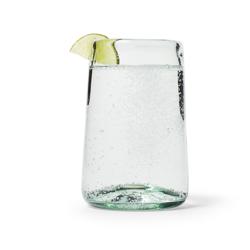
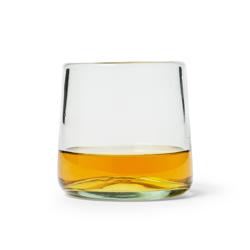
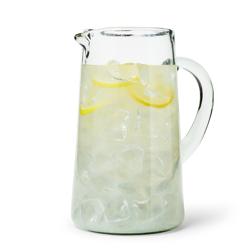
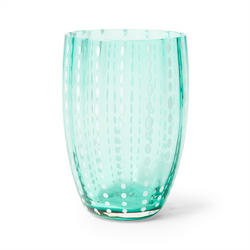
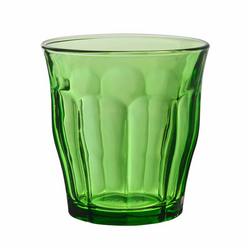
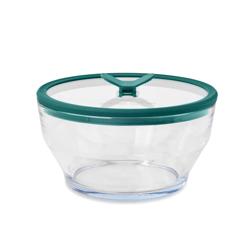
Green glass is glass with a green hue, whether that color comes from trace iron compounds in the raw materials or colorants added during manufacturing. In kitchen and tabletop pieces, it brings together the light-catching quality of glass and a color that feels at home with wood, stoneware and crisp white porcelain. Its appearance varies considerably: pale green can look almost clear in soft light, while olive, moss and deeper bottle-green shades create a more noticeable accent. Thickness matters, too. A substantial base or rim may appear darker than the walls of the same vessel, giving even a simple shape depth and variation. Green glassware works well for everyday meals because it introduces color without requiring a fully coordinated table. Clear glass keeps the effect light, white dishes let the green stand out and cream-colored linens soften the contrast. Alongside green,
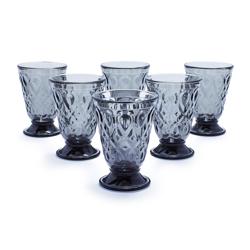
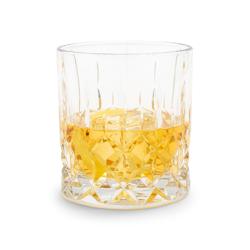
Gray Glassware offers a quieter neutral that pairs naturally with stainless steel flatware and simple dinnerware. Texture adds another layer of interest. Ribbed sides catch light in narrow bands, pressed patterns lend a more decorative look and smooth surfaces keep attention on the silhouette and color. These details become especially noticeable with water, sparkling drinks or a citrus garnish inside. The contents also affect the appearance: a pale drink shows off the tint differently than iced tea or a dark cocktail. For a table that feels collected rather than matched, repeating a similar green across different shapes creates a connection without making every place setting identical. Matching silhouettes offer a more uniform presentation, particularly when several glasses sit together on a tray or open shelf. Either approach lets green glass serve as a small accent or a defining part of the table, depending on how much color surrounds it.
Beyond appearance, the right green glass for a kitchen depends on its material, construction and intended use. Much everyday glassware is made from soda-lime glass, a common material suited to a wide range of drinking and serving uses. Some glass contains recycled material, but a green color alone does not establish recycled content or a particular environmental benefit; those details belong in the manufacturer’s specifications. Color may be incorporated into the glass itself or applied as a surface treatment, and that difference can affect care. A through-colored piece does not rely on an exterior coating for its hue, while painted, coated or otherwise decorated surfaces may need gentler handling. Tempered glass undergoes treatment to increase its strength, though it is not unbreakable, and neither color nor thickness proves that a piece is heat resistant. For daily drinkware, shape often matters as much as the material. A broad base offers a steady footprint, a narrower profile takes up less room at a crowded place setting and the rim’s thickness changes how the glass feels when sipping. Weight is worth considering in the context of a full drink, especially for someone who prefers lighter tableware. Capacity also needs a little context: a stated capacity may describe the volume filled to the rim, leaving less usable space once ice and a comfortable margin are included. A tall shape suits a long drink but may need more shelf clearance, while a lower profile can fit more easily beneath a cabinet shelf. Serving vessels need enough room for their handles and spouts as well as their main bodies. Dimensions help determine whether a piece will fit a breakfast tray, a dishwasher rack or the cabinet where it will live. For frequent entertaining, consistent proportions make arranging and carrying several glasses easier. For a small household, versatile shapes that feel comfortable at both the breakfast table and a dinner gathering may be more useful than highly specialized forms.
Care is another part of choosing green glassware that will remain enjoyable to use. Manufacturer instructions should determine whether a piece is dishwasher safe, suitable for hot beverages or intended only for room-temperature and chilled contents. Glass that looks sturdy can still be vulnerable to sudden temperature changes, so a hot glass should not go straight onto a cold, wet surface, and ordinary drinkware should not be treated as oven-safe bakeware. When dishwasher cleaning is permitted, leaving space between pieces helps prevent contact with neighboring dishes during the cycle. Hand-washing calls for a soft sponge, mild dish soap and careful handling around rims, handles and decorative details. Abrasive scrubbers can damage finishes, and soaking is not a substitute for checking whether a surface treatment has special requirements. Drying with a soft, lint-free towel helps limit visible water spots, which may be particularly noticeable on smooth, translucent surfaces. Storage deserves the same attention: stack only pieces designed to nest, leave breathing room around delicate rims and retire drinking vessels with chips or cracks. These practical details matter whether green glass is used for a quick glass of water at the kitchen counter or brought out for a leisurely meal with friends. For gifting, the recipient’s habits offer better direction than color alone. Someone setting up a first kitchen may appreciate easy-care glassware that works across several meals, while an enthusiastic host may value a coordinated look for a shared table. A person who enjoys mixing vintage-inspired patterns with simple dishes may prefer texture and subtle variations in shade. For a housewarming or wedding gift, considering cabinet space, existing dinnerware and a preference for hand-washing or dishwasher cleaning makes the choice more personal. Green glass has enough character to feel thoughtful on its own, yet it can settle comfortably into an established kitchen. Its appeal is in that balance: useful tableware with color and presence, ready to become part of everyday routines rather than something reserved only for display.