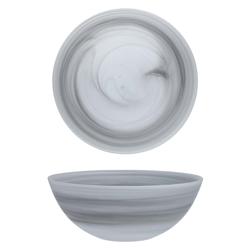
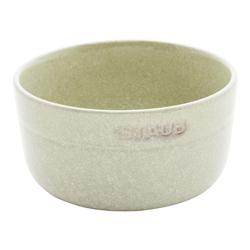
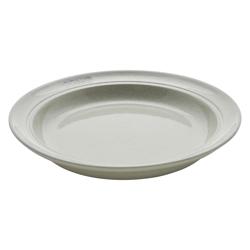
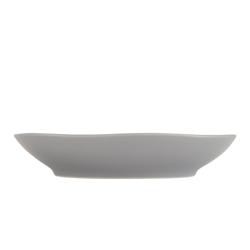
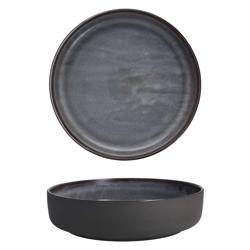
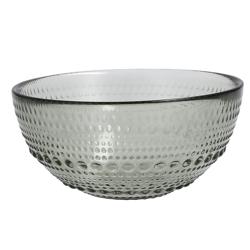
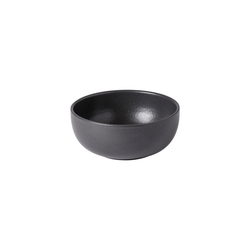
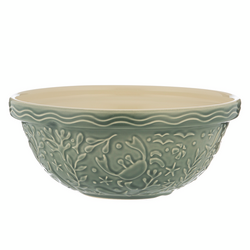
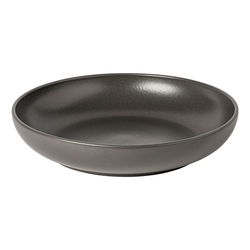
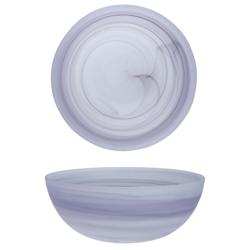
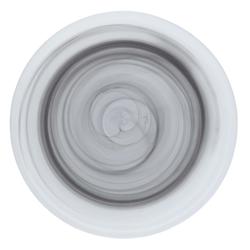
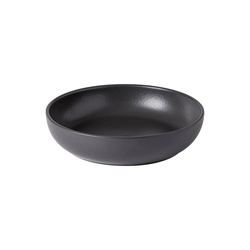
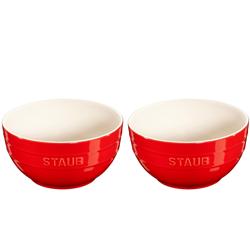
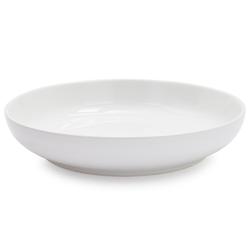
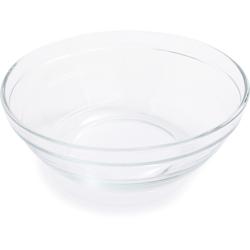
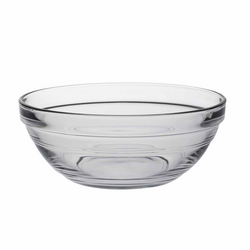
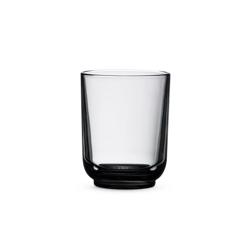
Gray glass bowls combine the light-catching quality of glass with a neutral tint that works for everyday meals and dressed-up table settings. Depending on their size and construction, they can hold individual servings of cereal, salads and desserts or bring shared dishes to the table. Their appeal comes from the balance of color and transparency: a smoky finish adds definition without the visual weight of an opaque bowl, while the food inside remains part of the presentation. Pale gray glass can feel airy against white dinnerware, and deeper charcoal tones create a stronger contrast with cream-colored linens or a light wood table. Smooth surfaces offer a clean, understated look; ribbed, pressed or gently rippled textures catch the light and make even a simple arrangement feel considered. The effect changes with the setting, too. A bowl of leafy greens looks fresh and colorful on a sunny kitchen table, while the same glass takes on a softer glow under dining room lighting. Gray also pairs easily with the materials already found in many kitchens, including stainless steel flatware, wood serving boards and stoneware plates. That makes these bowls a practical choice for adding variety without replacing an entire dinnerware collection. For casual meals, matching bowls create a cohesive setting with little effort. For gatherings, mixing gray glass with clear glass and ceramic serving pieces adds interest while keeping the overall palette calm. During the cooler months, smoked glass sits comfortably alongside woven napkins and richly colored vegetables, but its neutral character works just as naturally for fruit salads and outdoor lunches in milder weather. For a broader mix of shapes and finishes, the
Glass Bowls collection offers another way to explore this versatile material. Whether the goal is a coordinated table or a few contrasting accents, gray glass brings useful serving space and a distinctive finish to familiar routines.
Shape, capacity and construction determine how well a glass bowl fits those routines. A wide, shallow bowl gives a composed salad room to spread out, keeping toppings visible and easy to reach with a fork. A deeper bowl helps contain cereal and milk or a generous portion of chopped fruit, while a smaller bowl suits yogurt, snacks or a spoonful of dessert. For shared dishes, enough space around the food makes a difference: a serving bowl filled to the rim can be awkward to pass and leaves little room for tossing greens or scooping a side dish. Diameter alone does not tell the whole story, since two bowls with similar widths can hold very different amounts depending on their depth and the slope of their sides. The rim, base and weight also deserve attention. A broad opening accommodates serving utensils, a stable base helps the bowl sit securely and a manageable weight makes carrying a full bowl more comfortable. Thick glass may feel substantial, but thickness is not a guarantee against breakage or sudden temperature changes. Everyday tableware is often made from soda lime glass; other glass types and strengthening processes may offer different performance characteristics. Tempered glass, for example, is treated for increased strength, though it still requires careful handling. A gray tint does not indicate whether a bowl is suitable for heat, food storage or kitchen preparation. Color may be part of the glass itself or come from an applied finish, and that distinction can affect care requirements. Textured surfaces may provide a pleasing grip, while pronounced patterns on the inside can make scraping out thick dressings less straightforward. Storage matters as much as table space, especially in a compact kitchen. Bowls designed to nest can make good use of a shelf, but the fit should leave enough clearance to separate them without force. For daily use, a shape that fits the cabinet and dishwasher comfortably may prove more useful than a larger, more dramatic silhouette.
Caring for gray glass bowls starts with the instructions for their particular material and finish. Some are dishwasher safe, while others need hand-washing to protect delicate details or surface treatments. Dishwasher-safe glass should have room around it so rims do not knock against neighboring dishes during the cycle. For hand-washing, mild dish soap, warm water and a soft sponge are a sensible starting point when permitted by the manufacturer; abrasive pads and harsh cleaners can scratch glass or damage decorative finishes. Drying with a soft cloth helps reduce visible water spots, which may stand out on darker transparent surfaces. Microwave, oven and freezer suitability are separate considerations, and none should be assumed from the bowl’s appearance or dishwasher-safe designation. Before serving hot soup, reheating leftovers or chilling food in the freezer, confirm that the bowl is intended for that use. Avoid sudden temperature changes, such as placing a hot bowl on a cold or wet surface, and let glass cool as directed before washing. These habits help protect against thermal shock, but they do not turn ordinary serving glass into heat-resistant cookware. Glass is nonporous and generally resists lingering food odors, making it useful for serving a variety of dishes, though it can still chip or break on impact. Inspect rims and bases periodically and stop using a bowl for food if it develops a chip or crack. When stacking is appropriate, gentle handling and a soft separator can help prevent contact marks between pieces. With the right fit and care, gray glass bowls can become part of breakfast at the kitchen counter, a relaxed dinner with friends or a dessert served after a family meal. They also make a thoughtful gift for someone setting up a home, refreshing a table setting or enjoying more opportunities to host. A recipient who entertains may appreciate a versatile serving shape, while someone with limited storage may get more use from compact bowls for everyday portions. The most useful choice balances the look they enjoy with the way they cook, serve and put things away.