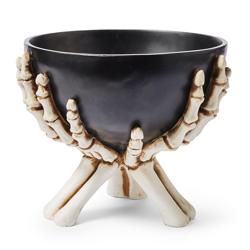
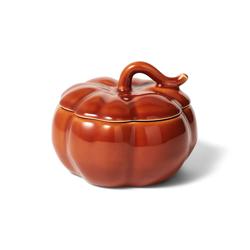
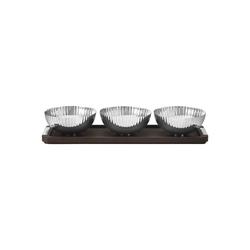
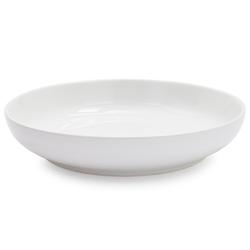
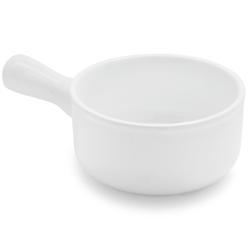
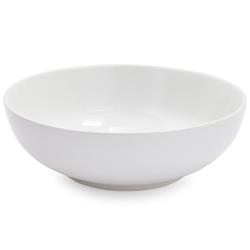
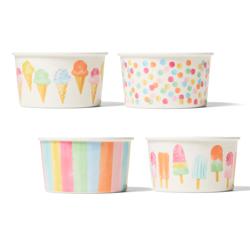
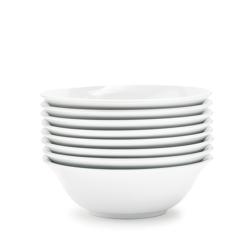
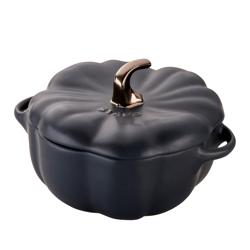
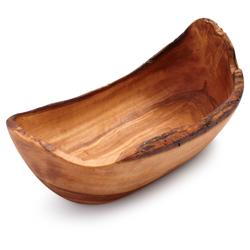
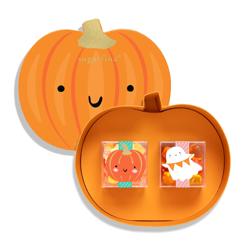
Halloween candy bowls hold and display treats for trick-or-treaters, party guests and everyday snacking, combining practical serving space with playful Halloween decoration. Popular styles include pumpkin shapes, ghost motifs, skull designs and simple bowls in black, orange or white. Ceramic, stoneware, glass and lightweight plastic each bring a different look and feel, with the right choice depending on where the bowl will sit and how it will be used. A generously sized bowl near the entry gives individually wrapped chocolates and chewy candies a home without leaving open bags scattered across the console. A smaller bowl makes sense on an office desk, where a few treats can feel welcoming without taking over the workspace. For a Halloween gathering, several bowls spaced along a sideboard let guests reach a favorite sweet without crowding the same spot. The decoration can be as bold or understated as the setting calls for: a sculpted jack-o’-lantern becomes part of the display, while a simple dark finish lets colorful wrappers supply most of the Halloween character. Shape matters as much as the motif. An open bowl shows off the treats inside and makes it easier to spot a familiar wrapper; a deeper vessel has more room for replenishing a busy candy station. Designs with pronounced rims, feet or sculpted details may occupy more counter space than their usable interior suggests, so exterior dimensions and capacity are worth considering together. Ceramic and stoneware can bring a substantial feel to an indoor arrangement, while clear glass keeps the candy visible from across the table. Lightweight materials are easier to carry between the kitchen and the front door, although a lighter bowl may shift more readily when someone reaches in. For households that prefer a subtle nod to the holiday, a straightforward shape in a seasonal color can work alongside existing serving pieces.
Capacity is especially useful to consider in relation to the treats themselves. Bulky, individually wrapped candy takes up more room than loose candy, and long lollipop sticks can extend well above a shallow rim. A wide opening gives hands room to reach in without catching on decorative details, while a stable base helps the bowl stay put on a table or entryway bench. For families greeting trick-or-treaters, a bowl that feels comfortable to hold can be more practical than an oversized centerpiece, particularly when one hand is busy opening the door. A larger serving bowl works well as a refill station indoors, with a smaller bowl carried to the entrance as needed. In homes with young children or busy gathering spaces, a durable, nonbreakable material may be a better fit than glass or ceramic. No material is entirely damage-proof, and raised decorations, narrow stems or projecting handles can need extra care during handling and storage. The intended use also matters when choosing between wrapped treats and foods served directly in the bowl. Individually wrapped candy keeps the contents easy to identify, but unwrapped sweets, popcorn or other snacks require a surface intended for direct food contact. Decorative finishes do not automatically make a vessel suitable for every serving task, so the maker’s use and care information should guide what goes inside. That same guidance determines whether a bowl is dishwasher safe or should be hand-washed. Detailed surfaces and recessed patterns may need a little more attention to remove crumbs or sticky residue, while smooth interiors are generally easier to wipe clean. A decorative candy bowl should not be assumed to be microwave safe simply because it resembles everyday dinnerware. Keeping those distinctions in mind helps preserve painted details and finishes, especially when a favorite bowl becomes part of the Halloween setup year after year. Thorough drying before storage also keeps moisture from lingering beneath lids or inside sculpted features.
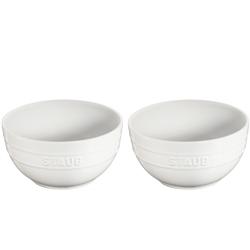
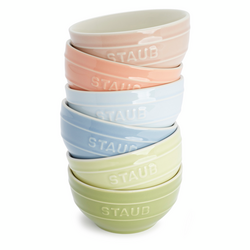
Halloween candy bowls can anchor a party table without requiring an elaborate decorating scheme. A pumpkin-shaped bowl beside a stack of napkins is often enough to establish the theme, while a grouping of smaller bowls can separate chocolates, fruit-flavored sweets and lollipops for easier browsing. Leaving candy in its original wrappers preserves ingredient information, an important consideration when guests have food allergies or dietary preferences. Separate bowls can make the selection clearer, though they are not a substitute for checking labels or preventing cross-contact. At an office gathering, a compact bowl near the coffee station keeps treats within reach without competing with mugs and other essentials. At home, placing the bowl on a sturdy surface away from the edge gives guests room to help themselves and leaves space for a refill bag nearby. Scale makes a difference visually, too: one substantial bowl can hold its own on a long console, while a smaller design looks more at home on a narrow shelf or kitchen counter. Keeping the surrounding decorations low and uncluttered allows the bowl’s shape and the candy itself to stand out. For breakfast gatherings or individual snack servings,
Holiday Cereal Bowls bring another seasonal accent to the table without needing every piece to match. A Halloween candy bowl also makes a thoughtful gift for a host, a neighbor who enjoys decorating or a friend known for keeping treats on the desk. Filled with wrapped candy, it arrives ready to enjoy; chosen in a style that suits the recipient’s home, it can become a familiar part of future celebrations. Storage deserves a little thought for a gift or a personal purchase. A simple silhouette fits neatly into a cabinet, while a sculpted design may benefit from its own shelf space or protective wrapping. Whether the bowl holds a handful of favorites or serves a steady stream of visitors, an appealing shape, useful capacity and manageable care requirements make it easier to enjoy beyond a single Halloween gathering.