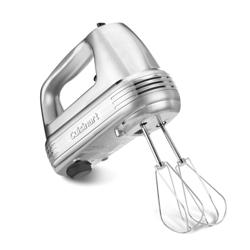
-
(150)
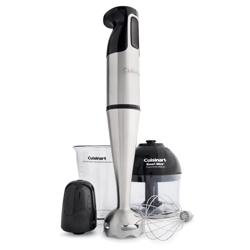
A powerful silver immersion blender with five variable speed settings for effortless blending of soups and sauces.
Pros: powerful, durable, easy to clean
-
(103)
A powerful silver hand blender with a stainless steel shaft and two-speed settings.
Pros: easy to clean, easy to use, powerful
-
(56)
An immersion blender with a powerful motor, variable speed settings, and an ergonomic stainless steel design.
Pros: durable, easy to clean, powerful
-
A compact white personal blender with stainless steel blades and automatic speed adjustment for effortless blending.
-
(331)
A powerful hand blender with variable speed settings for easy blending, prepping, and whipping.
Pros: versatility, convenient, easy to clean
-
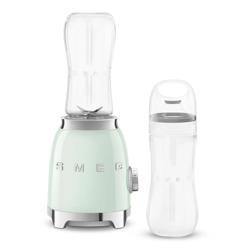
A pastel green plastic blender with retro-inspired design, featuring push-down operation and two portable bottles.
-
(79)
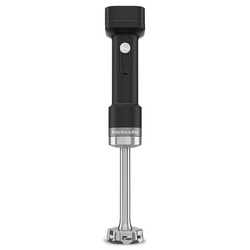
A cordless hand blender with a removable battery and variable speed trigger for efficient blending.
Pros: cordless, powerful, easy to clean
-
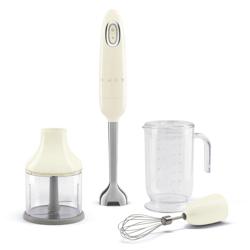
A cream plastic hand blender with two speeds, stainless steel components and portable Tritan bottles.
Handheld Blender
A handheld blender is a kitchen appliance that blends, chops and purees food using a rotating metal blade. It's a great tool for making healthy smoothies and other drinks, as well as gourmet dishes like salsa and hummus. Handheld blenders are also useful for making quick work of tasks like chopping nuts or slicing vegetables. Here are some great options.

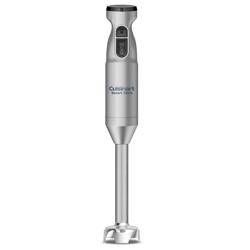
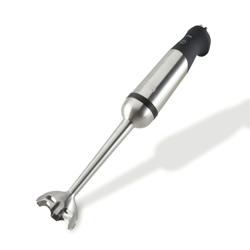
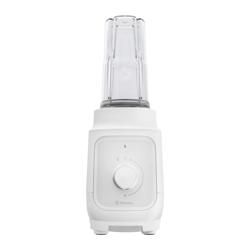
Handheld Blender
FAQ List
A handheld blender, also known as an immersion blender, is a kitchen appliance that is used to blend, puree, or chop ingredients directly in a pot, bowl, or other container.
Handheld blenders are lightweight and easy to use, making them a great choice for anyone who wants to quickly blend or puree ingredients without having to transfer them to a separate appliance. They're also easy to clean and store, and they're often more affordable than traditional countertop blenders.
When shopping for a handheld blender, look for a model with a powerful motor, comfortable grip, and easy-to-use controls. You may also want to consider the length of the blender's cord, the type of blades it uses, and whether it comes with any accessories or attachments.
A handheld blender can be used to make a wide range of dishes, including smoothies, soups, sauces, dips, and more. They're also great for pureeing baby food or making homemade baby formula.
To clean a handheld blender, first unplug it from the electrical outlet. Then, remove the blending attachment and wash it in warm, soapy water. If the blender has any other detachable parts, such as a whisk or chopping attachment, these should also be washed separately. The main body of the blender can be wiped clean with a damp cloth.
-
"Works great per my wife. Best mixer she has ever owned"
-
"I absolutely love my stick blender. I can't imagine not having in my kitchen"
-
"I have owned similar products and this one is the best one I have tried"
-
"love it! the attachments that come with the product are extremely useful and it works great"
-
"love it! the attachments that come with the product are extremely useful and it works great"