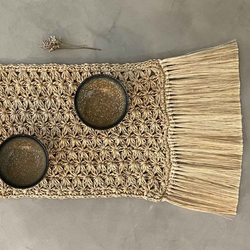
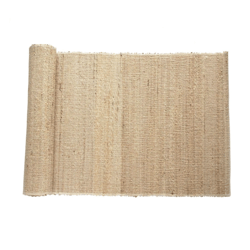
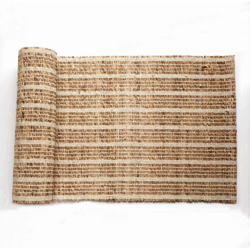
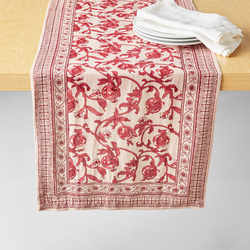
Handwoven table runners bring texture and a sense of care to the table without covering the surface beneath them. The appeal is in the weave: the way threads cross, a softly raised stripe or a slightly irregular edge that gives the fabric its character. Small variations in a handwoven textile can be part of its construction rather than flaws, although the overall weave should feel secure and the edges neatly finished. These details give a simple setting something interesting to look at, even when dinner is served on plain white plates. Materials make a difference in both appearance and everyday use. Cotton tends to feel soft and approachable, making it a practical consideration for a dining table that also hosts homework, coffee breaks and casual meals. Linen often has a more relaxed drape, with natural variations in the yarn that complement wood, ceramic and glass. Cotton-linen blends can offer a balance of softness and structure, while coarser plant fibers, where used, create a more pronounced texture. Fiber content alone does not tell the whole story; weave density, thickness and finishing also affect how a runner hangs and how comfortably serving pieces sit on it. A flatter weave can be useful beneath a bread basket or a low centerpiece, while a more textured surface may work best as a decorative layer with delicate glassware placed directly on the table. Color changes the effect just as much as texture. Cream, flax and soft gray allow the weave to stand out quietly, while deeper shades create contrast against pale dishes or a light tabletop. Stripes can give an informal meal a little definition without requiring matching linens throughout the room. The right choice feels connected to the way the table is used, rather than reserved for a setting that only comes together on special occasions.
Proportion helps a handwoven table runner feel at home on the table. Length includes any overhang, so both the tabletop measurement and the desired drop matter. On a table 72 inches long, for example, a runner measuring 90 inches leaves a 9-inch drop at each end when centered. Fringe or tassels can contribute to the listed length, making the dimensions worth reading closely before choosing a fit. A longer drop creates a more dressed appearance, while a runner that stays within the ends of the tabletop can feel relaxed and keep fabric away from laps, chair arms or curious pets. Width deserves equal attention. A runner around one-third of the table’s width is a useful visual starting point, but place settings and serving habits may call for something narrower or wider. There should be enough room for plates and glasses to sit securely without straddling a thick fabric edge. Rectangular tables naturally suit a lengthwise arrangement, while a runner across the center of a round table creates a defined area for flowers or shared dishes. On an extension table, measuring the surface with the leaves in place helps avoid a runner that looks unexpectedly short when guests arrive. Layering offers another way to adjust the mood. Over a plain tablecloth, a handwoven runner adds visible texture; directly on wood, it leaves the grain and finish part of the setting. When combining it with placemats or napkins, repeating one color often looks more comfortable than matching every detail. Pattern scale matters, too: a broad stripe can sit comfortably beside a small napkin pattern when the colors have something in common. For a more classic direction, explore
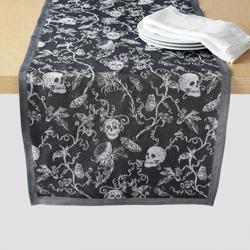
Traditional Table Runners and consider how familiar motifs work with existing dinnerware. A simple runner can also give a sideboard or entry console a finished look, provided the dimensions leave drawers, doors and nearby walkways clear. In any setting, enough open surface makes the arrangement easier to live with.
Care requirements are an important part of choosing a handwoven table runner, especially for a table used every day. Some cotton and linen textiles can be machine washed according to their care labels, while other fibers, dyes or decorative finishes need hand-washing, spot cleaning or professional care. A runner intended for frequent meals should have care instructions that fit comfortably into the household routine. Natural fibers may soften or shrink with washing, and saturated colors may require separate laundering, so the label matters more than a general assumption about the material. Fringe and open weaves can also need gentler handling to avoid tangling or snagging. When a spill happens, blotting promptly rather than rubbing helps limit how far it spreads through the fibers; any cleaner should be suitable for the textile and tested in an inconspicuous area first. A runner provides a layer between the table and everyday objects, but it should not be treated as heat protection or a waterproof barrier. Trivets are still needed beneath hot cookware, and moisture should not be left sitting against a delicate tabletop. For storage, keeping the fabric clean and fully dry helps prevent musty odors, while loose folds or rolling can reduce stubborn creases. Durability comes from a combination of material, construction and appropriate care, not thickness alone. Secure hems, stable edges and a weave suited to its intended use are helpful details to consider. A softly textured runner that suits daily breakfast may be a better choice than an elaborate style that feels too delicate to bring out. Handwoven table runners also make thoughtful housewarming or wedding gifts, particularly for someone who enjoys gathering people around a meal but already has the essential dishes and serving pieces. An easy-care fabric and a color drawn from the recipient’s home make the choice more personal without requiring a complete table setting. For someone furnishing a first dining space, a versatile runner can add warmth and definition with little effort. For an experienced host, an interesting weave offers a fresh way to use familiar plates, napkins and flowers. The lasting appeal is that combination of useful scale, tactile detail and room for personal style.