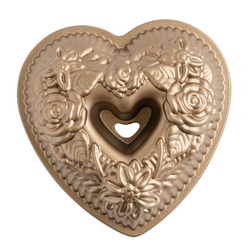
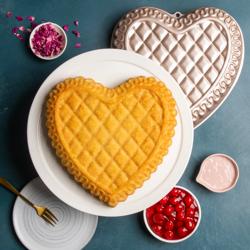
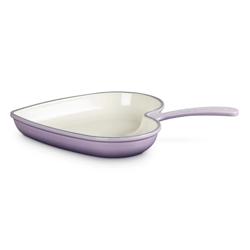
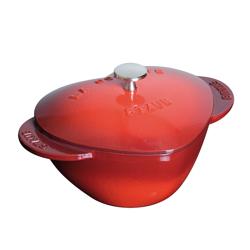
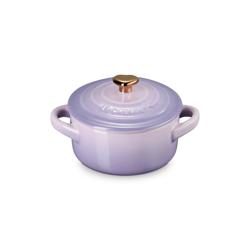
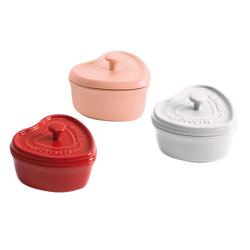
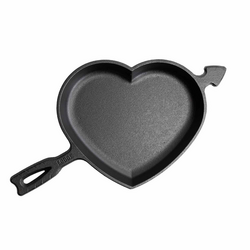
Heart pans are heart-shaped baking pans used to make cakes, brownies and other treats with a recognizable heart outline. Common styles include traditional cake pans, individual molds and sculpted pans that create decorative detail, with materials ranging from aluminum and steel to flexible silicone. The shape gives a familiar recipe a personal touch without requiring elaborate decorating skills. A chocolate cake with a smooth layer of frosting, a golden butter cake dusted with confectioners’ sugar or a batch of small brownies can each feel made for the occasion. Valentine’s Day is a natural fit, but heart-shaped bakeware also suits birthdays, anniversaries, bridal showers and a simple dessert made for someone special. For a shared celebration, a larger heart makes an appealing centerpiece with room for a piped message or a border of berries. Smaller cavities create individual servings for dessert plates, treat boxes or a gathering where everyone gets a cake of their own. The interior design matters as much as the outline: smooth-sided pans leave space for frosting and decoration, while molded details create a finished pattern that can stand on its own with a light glaze. A broad, open heart shape generally offers more room for writing than a deeply sculpted design. For layer cakes, matching shapes and dimensions make stacking easier and help keep the edges aligned. For brownies or other bar-style bakes, the heart can stay whole for presentation before being cut into portions. Recipe compatibility comes down to more than appearance, though. Two pans with similar outside dimensions may hold different amounts of batter because their depth, curves and center openings differ. Matching the recipe’s intended capacity helps leave room for rising and preserves the texture that makes the dessert worth sharing. A shallow brownie bake and a tall celebration cake may have the same outline, but they place different demands on the pan.
Material influences how heart-shaped baking pans handle heat, how clearly they capture details and how they feel during everyday use. Aluminum conducts heat readily and is often used for cakes where an even bake matters. Cast aluminum allows for substantial walls and sculpted contours that give the finished cake definition. Steel provides a sturdy structure, while the finish and thickness of a metal pan also affect browning. Dark surfaces can brown edges more quickly than lighter ones, so the recipe and the manufacturer’s baking recommendations remain useful references. Nonstick coatings can make release and cleanup easier, although they do not automatically eliminate the need for greasing or flouring. Flexible silicone offers a different approach, allowing the mold to peel away from a cooled bake rather than relying only on turning a rigid pan upside down. Depending on the design, a silicone mold may need a baking sheet underneath for steady support during filling and transfer. The best fit also depends on the details around the baking surface. A defined point and rounded lobes help create a clear heart silhouette, while a sturdy rim gives hands a more secure place to hold the pan. Outside measurements should account for handles or extended rims, especially in a compact oven. With individual molds, enough space between cavities can make filling and handling more comfortable, but the overall footprint still needs to suit the oven rack or supporting sheet. Pan depth deserves equal attention: extra batter in a shallow pan is not a substitute for a pan designed for a deeper bake. For taller cakes and other recipes that need more room,
Deep Pans are another option to consider alongside shaped bakeware. Thinking about capacity, oven fit and the intended dessert together makes it easier to choose a heart pan that earns its place beyond a single celebration.
Good care helps preserve both the pan’s baking surface and the details that make the shape appealing. Follow the manufacturer’s preparation and cleaning directions, since requirements vary by material and finish. A coating labeled nonstick may still benefit from careful preparation around the pointed tip, curved edges and recessed details. Those areas are especially noticeable once a cake is turned out, and a little attention before baking can mean less patching with frosting afterward. Cooling and release instructions matter, too. A cake that is still too delicate can tear during unmolding, while some designs release best after a specific resting period. Once the dessert is out, soft sponges and nonabrasive utensils help protect coated surfaces; metal knives should not be used to cut portions inside a nonstick pan. Even when a pan is dishwasher safe, check whether hand-washing is recommended to help preserve its finish. Let hot bakeware cool before washing and dry it thoroughly before storage, paying attention to seams and decorative recesses. A protective layer between nested pans can help prevent scratches, and flexible molds are best stored without sharp objects pressing against them. These practical details are worth considering for a gift as well. Someone who enjoys decorating may appreciate a clean, open shape that becomes a canvas for buttercream, while a baker who prefers a simple finish may get more use from a molded design with built-in detail. Individual portions suit someone who likes sharing treats with friends, neighbors or coworkers; a larger pan suits the baker who enjoys bringing a dessert to the table for everyone to share. Easy handling, manageable cleanup and a size that works with familiar recipes can matter more than an elaborate design. The lasting appeal of heart pans is straightforward: they turn everyday baking into a thoughtful gesture while leaving plenty of room for the flavors and finishing touches the recipient loves.