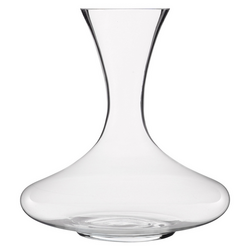
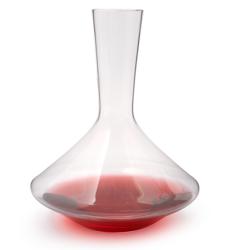
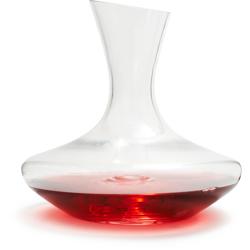
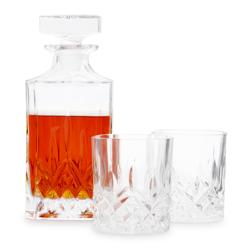
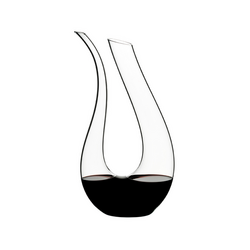
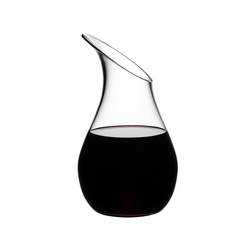
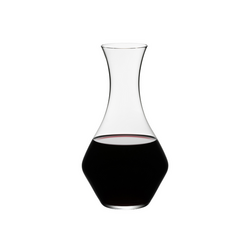
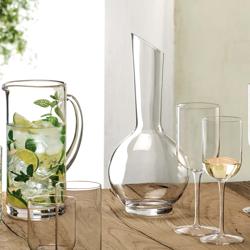
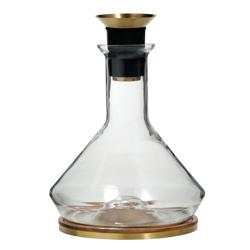
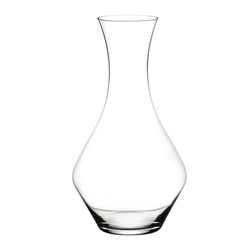
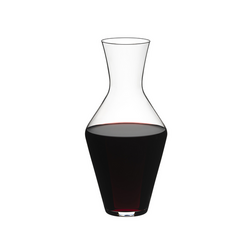
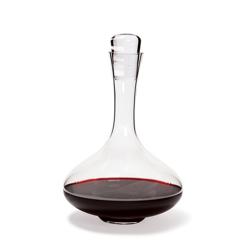
High-end wine decanters are serving vessels made to separate wine from sediment, expose it to air and bring a considered finishing touch to the table. Their appeal lies in the balance of material, shape and handling: clear glass or crystal shows the wine’s color, a well-proportioned bowl allows room for aeration and a thoughtfully formed lip helps make pouring more controlled. For someone opening a young, full-bodied red alongside dinner, a broad-bottomed decanter can give the wine more surface contact with air, allowing aromas to emerge and sometimes softening the impression of tannins. For an older bottle with sediment, the purpose is different: a slow, careful transfer leaves the deposit behind, helping keep the wine in the glass clear and free of gritty particles. Not every wine benefits from extended exposure, and delicate mature wines may need little more than gentle decanting just before serving. That distinction makes intended use more important than a dramatic silhouette alone. A generous bowl suits someone who regularly enjoys structured reds, while a more compact vessel may be a better fit for smaller pours or wines that need less aeration. Some white wines can also benefit from decanting, particularly fuller-bodied styles with aromas that seem subdued at first, although it is not necessary for every bottle. The broader
Wine Decanters collection provides a place to consider different shapes against the way wine is actually served at home. A decanter for a quiet dinner for two may call for a different footprint than one intended to pass around a crowded dining table. The best fit is a vessel that feels comfortable to lift, gives the wine appropriate room and makes serving feel natural rather than ceremonial. An elegant decanter can become part of a familiar routine, whether that means opening a favorite red with pasta or sharing a carefully saved bottle with friends.
Materials and craftsmanship give luxury wine decanters much of their character, but the details that matter most become clear in use. Lead-free crystal is valued for its clarity and brilliance, while well-made glass can offer a clean, understated presentation that lets the wine take center stage. Crystal is not automatically lead-free, so material descriptions deserve attention, especially when comparing vessels intended for regular wine service. Neither weight nor sparkle alone determines how well a decanter performs. Hand-blown construction can produce fluid curves, slender necks and subtle variations that reflect the making process; it does not, by itself, guarantee better aeration or greater durability. Look instead at how the shape supports the task. A wide, stable base helps a vessel sit securely, while a neck with enough room for a comfortable grip makes a full decanter easier to manage. A tapered or angled lip may help direct the stream, but no spout can promise a drip-free pour in every hand. Balance matters as the vessel empties, too: a shape that looks striking on a sideboard should still feel manageable when serving the last glass. Capacity is another practical distinction. A decanter should hold the intended amount of wine with space remaining above it, rather than needing to be filled to the neck. Filling a broad bowl too high reduces the advantage of its wider surface area. For larger bottles or frequent group dinners, additional capacity can be useful, provided the filled vessel is not awkward to carry. Check height and width against cabinet shelves, the dining table and the space around place settings. Tall curves and sweeping handles can make beautiful centerpieces, yet they also require clearance for storage and cleaning. A simple silhouette works easily with everyday stemware, while a sculptural form or cut-glass detailing can complement a more formal setting. These are differences in style and fit, not a reason to reserve fine wine service for special occasions.
Care is an important part of choosing a high-end wine decanter because its shape affects how easily it can be kept clear, clean and ready for the next bottle. A narrow opening or curved channel may be beautiful but harder to reach than a straightforward neck and rounded bowl. Before choosing an intricate form, consider whether a flexible decanter brush can reach its interior and whether there is a safe place for it to drain fully. Follow the maker’s care instructions rather than assuming that glass or crystal is dishwasher safe. When hand-washing is recommended, work carefully around the rim and neck, avoid sudden temperature changes and keep the vessel from knocking against the faucet or sink. Prompt rinsing helps prevent wine residue from drying inside. If detergent is appropriate, use a small amount of mild, unscented soap and rinse thoroughly so lingering fragrance does not interfere with the next wine’s aroma. Cleaning beads and other accessories are suitable only when recommended for the particular vessel, since delicate surfaces and complex shapes may need different treatment. Complete drying helps limit water spots and musty odors; a compatible drying stand can be useful if it supports the decanter securely without putting stress on a fragile edge. Fine glassware can provide years of enjoyment with thoughtful handling, but a substantial base does not make a thin lip resistant to chips. Store the decanter where it will not brush against other glassware or need to be squeezed onto a shelf. These everyday considerations also make a decanter a personal gift rather than simply a decorative one. For a wedding, anniversary or housewarming, match the vessel to the recipient’s habits: an enthusiastic host may appreciate comfortable pouring and easy cleanup, while a wine collector may value clear visibility when separating an older wine from sediment. Someone furnishing a first dining room may prefer a versatile shape that pairs with different glasses over time. A stopper can be an attractive finishing detail, but a decanter is primarily a serving vessel, not a substitute for a wine-preservation system. Chosen with those uses in mind, it brings both purpose and beauty to the table without making enjoying wine more complicated.