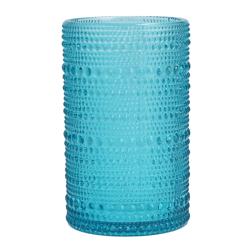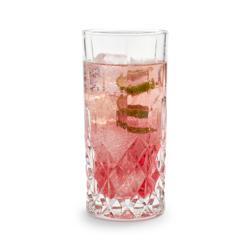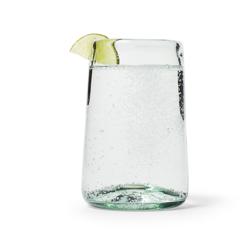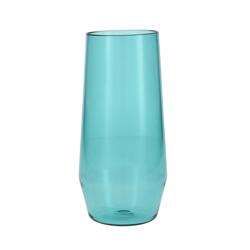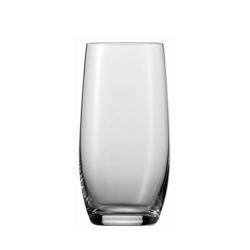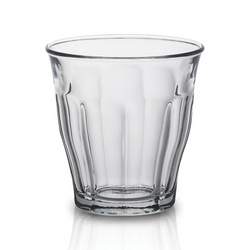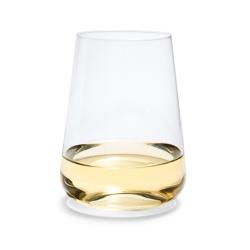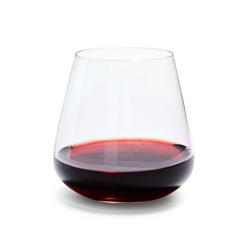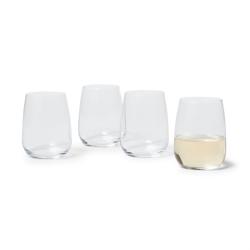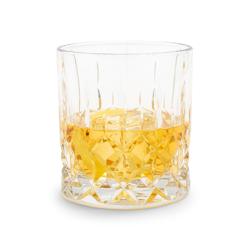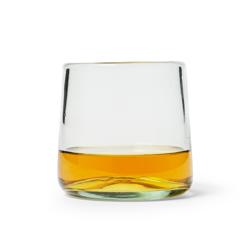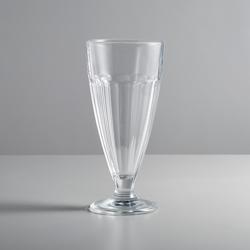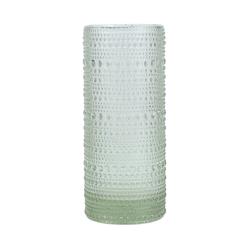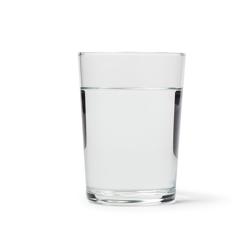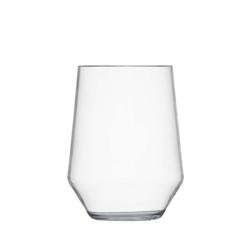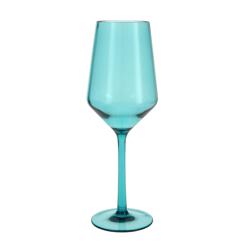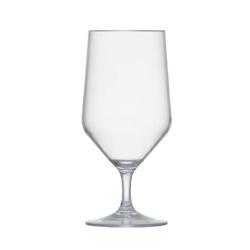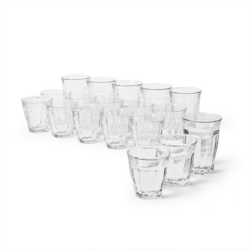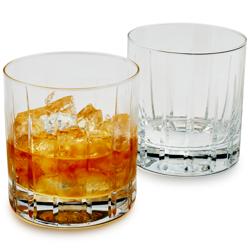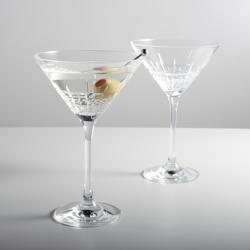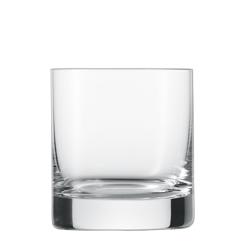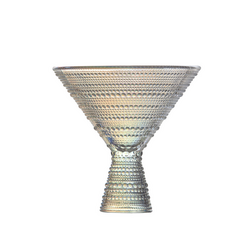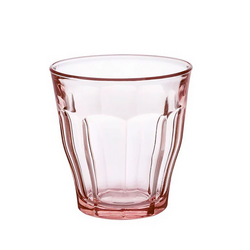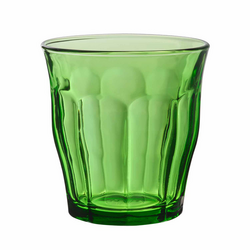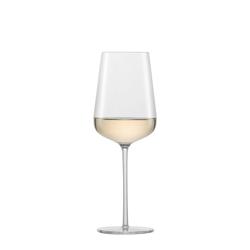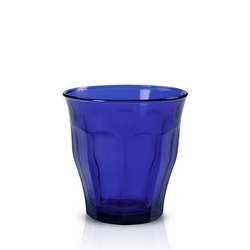
Iced beverage glasses make room for the details that turn a cold drink into something worth sitting down to enjoy: the clink of ice, a curl of citrus peel and the swirl of milk through dark coffee. Whether the everyday favorite is iced tea, sparkling water, lemonade or cold brew, a well-proportioned glass gives the drink space without making it awkward to hold or serve. Clear glass lets the color of the beverage come through, from amber tea to cranberry spritzers, while colored or textured glass can bring a little more character to a place setting. These are pieces that work just as naturally beside a weekday lunch as they do on a table set for guests. Tall glasses leave room for ice and longer garnishes, while shorter tumblers suit smaller pours and drinks served over a few substantial cubes. Shape matters beyond appearance, too. A gently tapered glass may feel comfortable in the hand, a straight-sided shape offers a simple profile and a broad base can help a glass feel steady when set down. The right capacity depends on how the drink is prepared, not just how much liquid goes into it. A generous scoop of ice takes up considerable space, as do sliced fruit, mint sprigs and a splash of sparkling water added at the end. For a full serving without a brim-level pour, leave room above the drink so it can be carried comfortably from the kitchen to the table. If chilled coffee is part of the daily routine,
glass tumblers for iced coffee are a natural place to focus on shapes that accommodate coffee, milk and ice together. A little headroom also makes stirring easier. For households with different tastes, versatile iced beverage glasses can move from breakfast juice to afternoon iced tea and water with dinner, keeping the cupboard useful rather than crowded with a separate shape for every drink.
Material, weight and finish all influence how iced beverage glasses feel in everyday use. Traditional glass has a familiar heft and clarity, though thickness and durability vary by design. Tempered glass is treated for added strength, while borosilicate glass generally offers greater resistance to temperature changes than ordinary glass. Neither distinction makes a vessel unbreakable or automatically suitable for hot liquids, so the manufacturer's intended use remains important. Double-wall construction can help slow heat transfer and reduce exterior condensation, making it worth considering for someone who likes to linger over a cold drink. A single-wall glass offers a more direct, familiar feel, with the coolness of the beverage noticeable through the sides. Heavier bases may feel reassuring on the table, but a lighter glass can be more comfortable for someone who finds substantial drinkware tiring to lift. The width deserves equal attention: a broad tumbler that looks appealing on a shelf may be less convenient for smaller hands. A smooth rim, comfortable grip and balanced shape often matter more over time than an elaborate silhouette. Think about the ice used at home as well. Large cubes need a wide enough opening, while narrow glasses may be better suited to smaller cubes or crushed ice. If drinks are regularly mixed in the glass, allow space for a spoon or reusable straw without crowding the rim. Practical fit extends to the kitchen itself. Check the height against cupboard shelves and dishwasher racks, and consider how several glasses will sit together on a serving tray. Stackable designs can help in compact spaces, but glasses should only be stacked when made for that purpose; forcing one inside another can cause sticking or damage. For frequent entertaining, a consistent shape makes setting the table straightforward, while a thoughtful mix of colors or textures can help guests recognize their drinks. Either approach works best when the glasses remain comfortable to handle, easy to carry and appropriately sized for the beverages being served.
Care is part of choosing iced beverage glasses that will earn a regular place in the kitchen. Dishwasher-safe designs can simplify the end of a busy evening, but care directions vary, especially for decorated surfaces, delicate rims and double-wall construction. When hand-washing is recommended, use mild dish soap and a soft sponge or brush that can reach the bottom without scraping the interior. A wide opening can make that task easier, particularly after a milky coffee drink or a fruit-filled refresher. In the dishwasher, leave enough space to keep glasses from knocking against one another and make sure they sit securely without being forced over rack tines. Drying with a clean, soft cloth can help remove water spots and bring back the clarity that makes clear glass so appealing. Avoid sudden temperature changes unless the manufacturer specifically permits them; a glass fresh from a hot dishwasher should cool before being filled with ice. Add cubes gently rather than dropping them forcefully against the base, and check rims for chips before serving. Those small habits help protect drinkware through repeated use. Beyond daily care, consider how the glasses will fit the people and occasions around the table. A household that serves iced water with every meal may value uncomplicated, easy-care shapes, while someone who enjoys mixing alcohol-free spritzers might appreciate extra room for bubbles and garnishes. During the cooler months, cold drinks still have a welcome place beside warm meals, from sparkling water at a family supper to a citrus-topped drink with appetizers. Iced beverage glasses also make a practical gift for a housewarming, wedding or someone setting up a first kitchen. Let the recipient's habits lead: comfortable everyday tumblers for a frequent host, generous proportions for an iced tea drinker or a simple profile that fits easily with existing dinnerware. The most useful choice is one that feels at home in the recipient's routine, ready for an ordinary afternoon as readily as a table full of guests.