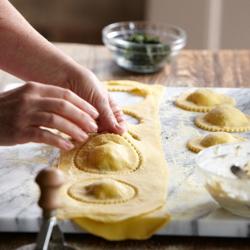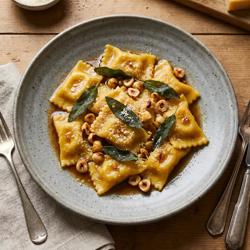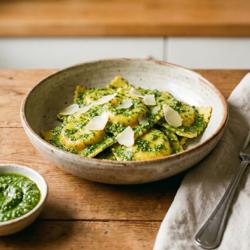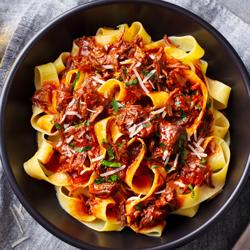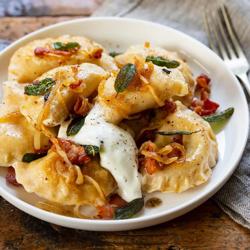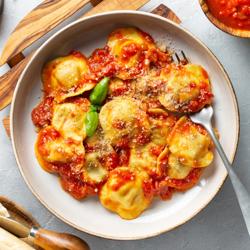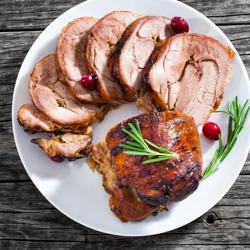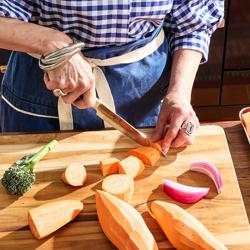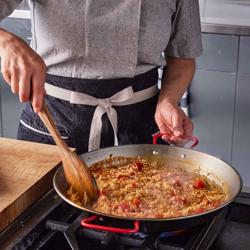
Italian cooking is best understood through its regions, where a small change in flour, cheese, cooking fat or technique can tell the story of an entire landscape. Hands-on Italian regional classes bring that story into the kitchen by inviting cooks to work with their hands, taste as they go and learn why a dish belongs to a particular part of Italy. A northern lesson may focus on tender egg pasta from Emilia-Romagna, shaped and cut by hand before being paired with a slow-cooked sauce. A class inspired by Tuscany may center on simple, rustic cooking built around beans, greens, bread, olive oil and roasted vegetables. In Rome, students may practice silky sauces and the careful timing required for dishes such as cacio e pepe or amatriciana, while a Sicilian session might explore semolina dough, bold citrus, capers, eggplant and seafood. Southern traditions introduce a different rhythm, from shaping orecchiette in the Puglia style to preparing pillowy gnocchi associated with Campania. The right kitchen essentials help make these lessons more enjoyable, whether you are attending an in-person workshop, following a live demonstration at home or revisiting a favorite regional recipe during the cooler months. Look for durable, comfortable tools that support repeated use, are easy to clean and feel natural in your hands. A well-balanced rolling tool, a stable work surface, accurate measuring equipment and a reliable way to transfer, portion or shape dough can make the difference between feeling rushed and settling into the satisfying pace of handmade cooking. For pasta-focused classes, consider the space you have available, the amount of dough you expect to prepare and whether the item can serve more than one purpose in your kitchen. For sauce, baking or multi-course lessons, heat tolerance, size, storage and ease of handling are equally important.
When choosing items connected to Italian hands-on cooking classes, think about the kind of regional food you hope to make and the habits you want to build. Fresh pasta requires a clean, generous surface where dough can be kneaded, rested, rolled and cut without crowding. Hand-shaped pasta benefits from tools that allow for control rather than speed, especially when learning traditional forms that vary from one town to the next. Baking projects call for dependable temperature control and even results, while recipes built around long-simmered sauces or braised vegetables benefit from cookware that distributes heat steadily and moves comfortably from stovetop to table. Serving pieces also have a practical role: the shape and depth of a dish can help keep pasta warm, hold a generous spoonful of sauce or present a family-style meal in the spirit of an Italian table. If you are comparing several options, pay attention to construction, weight, care instructions and how easily each item fits into your existing kitchen routine. A tool that is beautiful but difficult to store may see less use than a simple, sturdy piece that is ready whenever inspiration strikes. Many of these essentials also make thoughtful gifts for a new cook, a couple planning a cooking-focused trip or a friend who enjoys hosting relaxed dinners. Pairing a useful kitchen item with a handwritten note about a regional menu can turn a present into an invitation to cook together. For a more experience-centered gift, browse
Hands On Italian Dinner Classes, where the emphasis is on learning by doing and sharing the finished meal. A class can be especially meaningful for someone who prefers an evening of conversation and discovery over another object for the kitchen, while practical tools give them a way to continue practicing long after the lesson ends.
Regional Italian cooking rewards patience, repetition and attention to small details. The first time you roll pasta, the dough may feel resistant or uneven; after a few attempts, you begin to recognize the smooth, elastic texture that signals it is ready. The first batch of shaped dough may not look perfectly uniform, yet each piece carries the character of a handmade meal. That is part of the appeal of hands-on learning: a class provides guidance, but the lasting skill comes from feeling the ingredients change beneath your fingers. Choose products that encourage that kind of participation rather than taking every step out of the process. Easy-to-grip handles, stable bases, clear markings and materials that can withstand regular cooking are valuable for beginners and experienced home cooks alike. Consider whether the item is suited to a quick weeknight meal, a leisurely weekend project or a full menu prepared for friends. During the cooler seasons, a regional Italian cooking session can bring warmth to the kitchen, from the fragrance of garlic and herbs blooming in olive oil to the soft steam rising from a bowl of handmade pasta. It can also become a welcoming way to gather: one person mixes dough, another prepares the sauce, and everyone sits down together when the final dish reaches the table. Whether your interest is a single evening devoted to a four-course Tuscan dinner, a focused pasta workshop or a deeper exploration of several regions, the best kitchen essentials support curiosity and confidence. They help transform recipes into techniques, techniques into traditions and an ordinary meal into a shared memory of Italy.