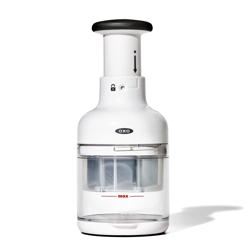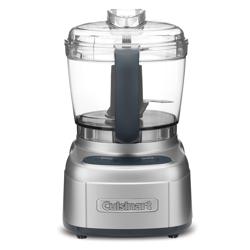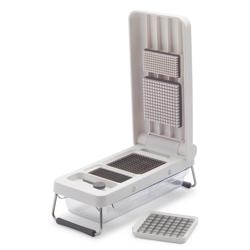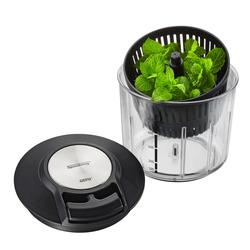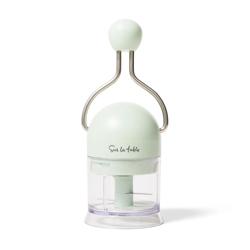
A kitchen chopper is a practical time-saver for dicing vegetables, mincing herbs, preparing salsa and handling everyday food prep with less knife work. These compact tools help turn a pile of onions, peppers or carrots into evenly sized pieces in a matter of moments, making them useful for everything from weeknight dinners to larger meal-prep sessions. Depending on the design, a kitchen chopper may use a manual push mechanism, a pull cord, rotating blades or an electric motor to process ingredients. Manual push choppers are especially convenient when you want quick, controlled dicing without plugging in an appliance. Pressing the top activates the blades, so you can move from whole ingredients to chopped pieces with a simple, repetitive motion. Pull-cord models use a covered blade assembly that spins as you draw the cord, giving you more control over the final texture. A few pulls can leave onions coarsely chopped for a rustic salsa, while additional pulls can create a finer mince for dressings, dips or sauces. Electric choppers are a helpful choice when you regularly prepare larger quantities or prefer to let the appliance do the physical work. They are often suited to chopping, mixing and puréeing, making them useful for ingredients such as cooked vegetables, fresh herbs, garlic, nuts and soft fruits. For more options in a compact format, explore
Small Food Choppers, which can fit easily into a cabinet or remain ready on the counter for frequent use.
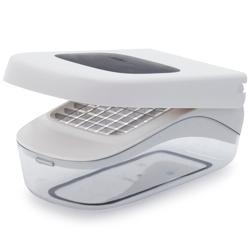
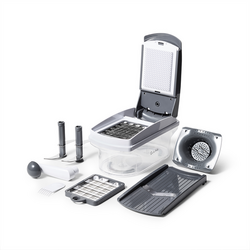
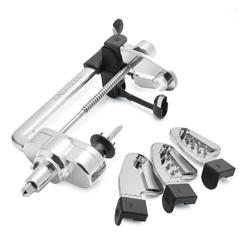
When choosing a kitchen chopper, start with the foods you prepare most often and the amount you typically need to process. Capacity matters: a small bowl works well for a garnish, a single serving of guacamole or the aromatics for dinner, while a larger container is more practical for a batch of pico de gallo, chopped vegetables for soup or ingredients for a family meal. A clear container makes it easy to monitor the size of each piece, and measurement markings can be useful when following recipes. Consider the blade arrangement and the tasks each tool is designed to handle. A single rotating blade may be ideal for quick chopping and mincing, while interchangeable blades or a grid-style insert can add slicing, dicing or julienning capabilities. If consistent pieces are important for roasting or presentation, look for a design that holds ingredients securely and produces uniform cuts. A wide opening can make it easier to add larger chunks, and a stable base or nonslip feet help keep the chopper steady as you work. Ease of cleaning is another important consideration, particularly when chopping onions, garlic, herbs or ingredients with strong colors and aromas. Removable blades and dishwasher-safe components can simplify cleanup, but always check the care instructions before placing parts in the dishwasher. Blade covers or a storage compartment can also help protect sharp edges and keep small pieces together between uses. For manual models, think about the effort required to operate the handle, plunger or pull cord. A comfortable grip and smooth mechanism make a noticeable difference when preparing several ingredients in succession. For electric models, consider the control style, cord storage and how easily the bowl and lid lock into place. A pulse setting is useful when you want to stop and check the texture, helping prevent soft foods from becoming an unplanned purée.
Kitchen choppers are useful for cooks who want to make fresh meals more efficiently, whether they are building a weeknight soup, preparing vegetables for a grain bowl or assembling a colorful spread for guests. They can be particularly helpful for anyone with limited prep time, cooks who find repetitive knife work tiring or households that prepare homemade food in batches. Students, new cooks and people settling into a new home may appreciate a compact chopper as a thoughtful kitchen gift because it is straightforward to use and useful across many recipes. It can also be a welcome addition to a housewarming gift, a wedding registry or a care package for someone learning to cook independently. During the warmer part of the year, a chopper makes quick work of tomatoes, cucumbers, herbs and peppers for fresh salads, relishes and salsas. As the weather cools, it can help prepare onions, celery, carrots and garlic for soups, stews and hearty sauces. Keep ingredients in appropriately sized pieces before adding them, avoid filling the bowl beyond its recommended capacity and use short pulses when working with delicate foods. Dense vegetables may need to be cut smaller, while soft ingredients such as ripe tomatoes or avocados are best processed briefly to preserve their texture. Fresh herbs can be chopped with a little care so they do not bruise, and nuts can be processed in short bursts to keep them from turning into butter. A kitchen chopper does not replace every knife or food processor, but it fills an especially useful space between hand chopping and larger appliance prep. With the right capacity, blade setup and operating style, it can make routine cooking feel more organized, reduce preparation time and bring homemade meals within easier reach.