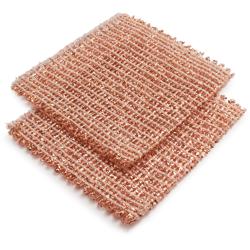
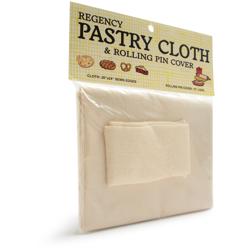
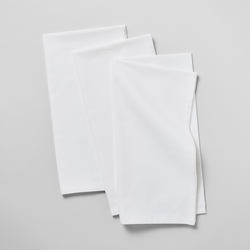
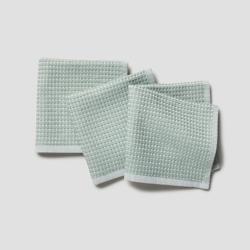
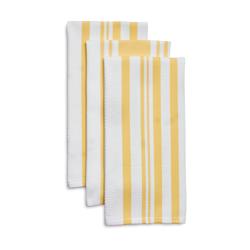
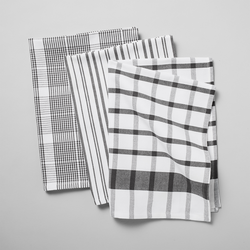
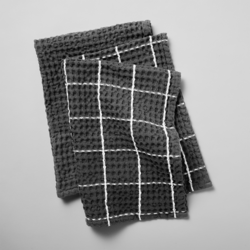
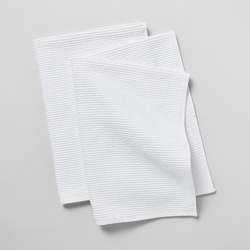
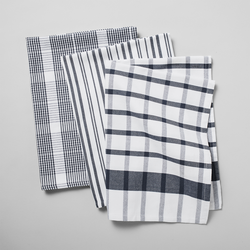
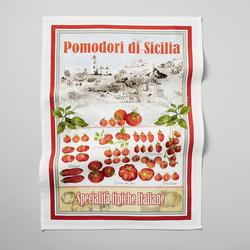
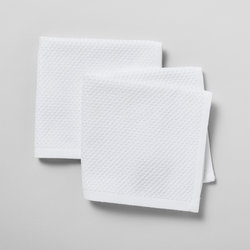
Kitchen cloths are everyday essentials for washing dishes, wiping counters and handling the small messes that make a kitchen feel lived in. A well-chosen cloth can soak up a spilled glass of water, polish fingerprints from a refrigerator door or give a warm baking dish a temporary place to rest. The best choice depends on the job, the surface and how quickly the cloth dries between uses. Cotton terry cloth is a familiar all-purpose option with a soft, textured surface that works well for washing dishes, wiping down tables and absorbing larger spills. It is also comfortable to hold when you are working through a sink full of dishes. Linen and waffle-weave cloths are lighter and tend to dry faster, making them especially useful for drying glassware, stemware and freshly washed produce without leaving much lint behind. Microfiber cloths have fine fibers that catch dust, grease and crumbs, often allowing you to clean many smooth surfaces with little more than water. They are useful for countertops, appliance fronts and glass, though it is best to keep separate cloths for food-preparation areas, general cleaning and messier tasks. Swedish cellulose sponge cloths combine the absorbency of a sponge with the convenience of a reusable cloth. They lie flat for storage, handle spills surprisingly well and can be rinsed clean between uses. For a more flexible collection, consider keeping several textures and sizes within reach: a generously sized absorbent cloth for drying dishes, a smaller cloth for quick countertop wipe-downs and a thin, fast-drying option near the sink. That simple mix makes it easier to choose the right tool instead of reaching for a paper towel every time a sauce splatters or a few drops collect beneath the coffee maker.
When shopping for kitchen cloths, pay close attention to absorbency, drying time, texture and care instructions. A cloth that feels plush in the package may hold too much moisture if it stays bunched beside the sink, while a thinner weave can dry quickly and help prevent stale odors. Look for a hanging loop or another easy way to suspend the cloth fully open between uses. Size matters, too: a compact cloth is convenient for wiping cabinet handles and stovetops, while a larger towel is easier to wrap around washed dishes or use with both hands. Consider the surfaces in your kitchen before choosing texture. A soft, low-lint weave is a practical choice for polished glass and stainless steel, while a textured cotton cloth can provide more grip for scrubbing away dried flour or a ring of sauce around a pot. Color can also support a cleaner routine. Assigning one color to dishes and another to counters makes it easier to keep tasks separate, especially in a busy household. Kitchen cloths are useful for nearly anyone who cooks, from a first-apartment renter building a practical cleaning kit to an experienced home cook who wants the sink area to run more smoothly. They make thoughtful gifts for new homeowners, hosts, students and anyone assembling a kitchen from the ground up because they are useful immediately and easy to pair with other everyday essentials. A small collection can feel especially personal when selected in colors or patterns that suit the recipient’s kitchen. During the warmer part of the year, quick-drying cloths help keep up with outdoor entertaining, fresh produce and frequent gatherings. As the weather turns cooler and cooking shifts toward simmering sauces, baked dishes and hearty meals, absorbent cloths become just as handy for wiping flour from a work surface, catching condensation beneath a serving bowl or drying cookware before putting it away. For a practical assortment that helps reduce dependence on disposable paper towels, explore
Reusable Dish Cloths.
Good care keeps kitchen cloths fresh, absorbent and ready for the next task. Rinse them thoroughly after use, wring out excess water and hang them so air can circulate around the entire cloth rather than leaving them folded over the edge of the sink. A damp cloth trapped beneath dishes or left in a warm pile can develop an unpleasant odor more quickly than one that dries fully. Launder cloths regularly, using warm or hot water when the fabric’s care instructions allow, and wash them separately from heavily soiled items when possible. Avoid fabric softener because it coats fibers and can reduce absorbency over time. Skip chlorine bleach unless the care label specifically permits it, since it may weaken fibers or alter colors. Some cellulose sponge cloths can be cleaned in a washing machine or dishwasher, while cotton, linen and microfiber require different settings, so checking the label is worthwhile. Keep a small rotation in circulation rather than relying on a single cloth from morning through dinner. Fresh cloths can be placed in a drawer or basket near the sink, while used ones go directly into a ventilated hamper. Replace any cloth that remains rough, frayed or persistently musty after washing. This routine is simple but effective: use the right cloth for the job, let it dry completely and launder it often. With those habits in place, kitchen cloths become more than an afterthought. They are dependable tools that make dishwashing, meal preparation and everyday cleanup feel more orderly, whether the kitchen is quiet after breakfast or full of activity around a shared table.