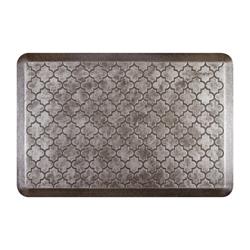
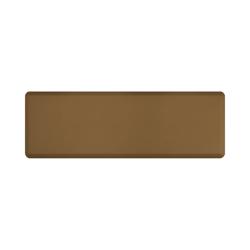
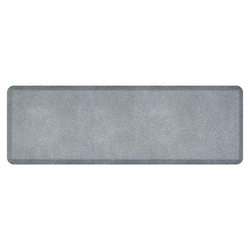
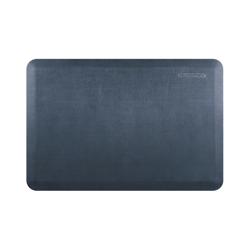
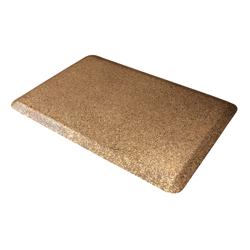
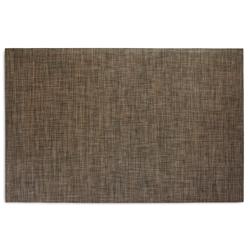
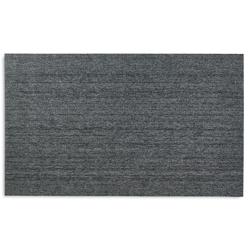
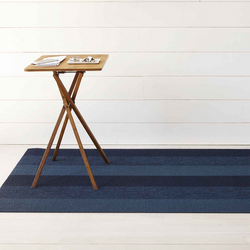
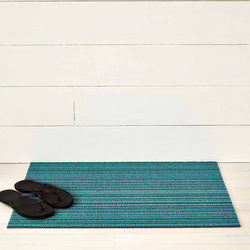
Kitchen mats for home bakers make long stretches of mixing, kneading and decorating more comfortable while adding a practical layer of protection between busy work areas and hard flooring. Baking often begins with a few quiet tasks and turns into hours on your feet: weighing flour, creaming butter, shaping dough, checking a rising loaf and moving pans in and out of the oven. A cushioned anti-fatigue mat can help reduce pressure on your feet, knees and lower back during those marathon sessions. Look for supportive high-density foam or comfort gel, ideally around 1/2 to 3/4 inch thick, so the surface offers noticeable cushioning without feeling unstable. A resilient polyurethane, vinyl or other waterproof material is especially useful in a baking space because flour dust, sugar, melted butter and sticky dough can find their way onto nearly every nearby surface. A mat that wipes clean with a damp cloth and mild soap is easier to maintain than a fabric rug that can hold onto fine flour and crumbs. The best kitchen mats for home bakers also have a dependable non-slip backing or textured underside that helps keep the mat in place on hardwood, tile, laminate and other smooth floors. This matters when you shift your weight while kneading, turn quickly to reach a mixing bowl or carry a full sheet pan from the oven. Check the mat’s size against the area where you do most of your baking, leaving enough room for a natural stance without creating a tripping hazard near cabinet doors or appliances. Rounded edges or a low-profile design can make it easier to move around the kitchen, while a heavier construction may provide a steadier feel in a high-traffic workspace. During the cooler months, when kitchens become especially inviting places to make crusty loaves, cinnamon rolls and holiday cookies, a comfortable standing surface can make the difference between enjoying the process and cutting a recipe short because your feet are tired.
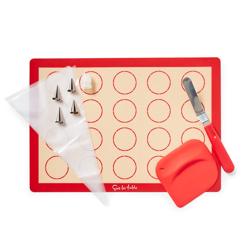
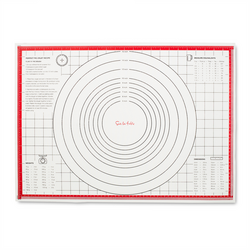
The right mat depends on the way you bake and the layout of your kitchen. Someone who regularly prepares sourdough or laminated pastry may value firm, durable cushioning for extended prep sessions, while a casual baker may prefer a lighter mat that can be moved aside after a batch of muffins comes out of the oven. If your main work area is in front of a countertop, sink or range, measure that standing zone rather than choosing by appearance alone. A mat that is too narrow may leave your heels on the floor, while one that is too large can interfere with drawers, stools or doors. Consider the flooring beneath it as well. Smooth tile and hardwood call for a strong grip that resists sliding, while textured flooring may benefit from a backing designed to sit flat without catching at the edges. Ease of cleanup is just as important as comfort. Baking mats should tolerate everyday spills and allow you to remove flour, cocoa powder and bits of dough before they are tracked through the room. Avoid materials or surface textures that are difficult to wipe or that absorb moisture, especially if the mat will sit near a sink or dishwasher. It is also worth distinguishing a floor mat from a pastry or countertop mat. A standing mat is designed to cushion your feet and support your posture, while a countertop pastry mat creates a defined surface for rolling and shaping dough. Countertop mats may include measurement guides or circles for sizing pie crusts, but they are not a replacement for an anti-fatigue floor mat. Keeping those uses separate helps you choose a surface that fits the task instead of expecting one mat to do two different jobs. For households where baking shares space with meal preparation, an understated color and wipe-clean finish can blend into the room between uses. For dedicated home bakers, a cheerful design can bring personality to the area where recipes become weekend breakfasts, packed lunches and treats shared with neighbors.
Kitchen mats for home bakers can also be a thoughtful gift for someone setting up a first apartment, refreshing a kitchen or spending more time making bread and pastries at home. They are particularly useful for bakers who work at a standing-height counter, grandparents who enjoy baking with children or anyone who turns the kitchen into a gathering place during family celebrations. A mat placed in front of the oven or prep counter gives the baker a little more comfort without taking up valuable counter or cabinet space, and it can be appreciated long after a single batch of cookies is gone. When choosing a gift, pay attention to practical details such as the recipient’s floor type, available space and preferred level of cushioning. A neutral finish is easy to coordinate, while a baking-inspired pattern can make the workspace feel more personal. Those who bake in a compact kitchen may need a narrow or easily movable option, whereas a spacious kitchen may accommodate a longer mat that supports several steps between the counter and range. For more ideas suited to kitchens where several people cook, clean and move through the same work areas, explore
Kitchen Mats For Busy Households. Whether used for early-morning bread making, careful pie preparation or everyday cookie baking, a well-chosen mat helps create a more comfortable, secure and manageable place to work. Look for reliable cushioning, a surface that cleans easily and a backing that stays put, then choose the size and style that make sense for the baker’s routine.