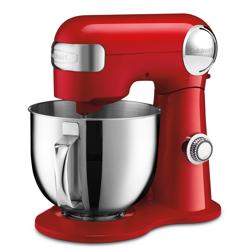
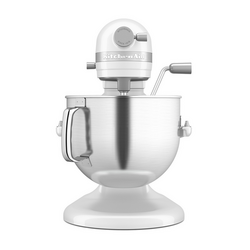
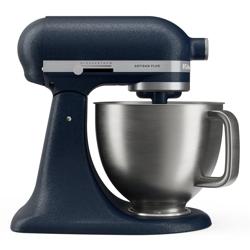
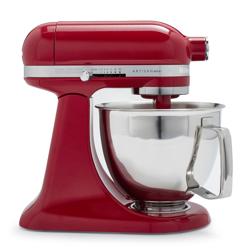
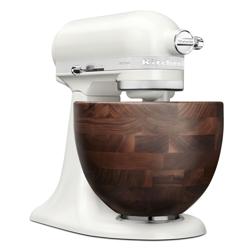
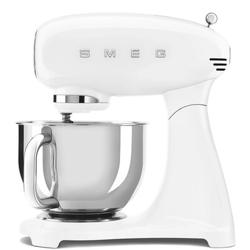
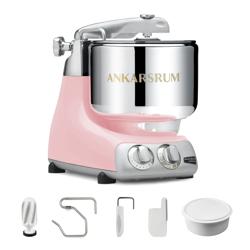
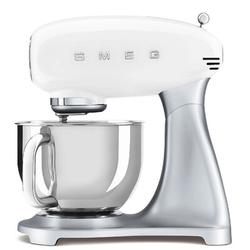
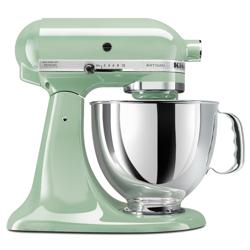
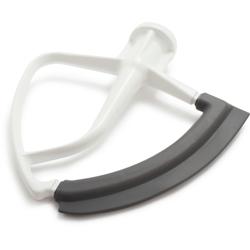
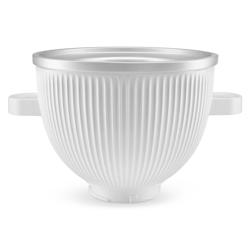
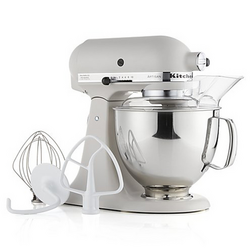
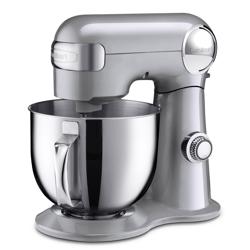
A kitchen stand mixer is a stationary countertop appliance that mixes, whips and kneads ingredients using a powered mechanism and interchangeable tools. It handles the repetitive work behind everything from chocolate chip cookies to sandwich bread, leaving hands free to measure the next ingredient or prepare a baking pan nearby. For someone who bakes regularly, that steady mixing action can make familiar recipes less labor-intensive and larger batches more manageable. A flat beater, often called a paddle, is suited to creaming butter and sugar, blending cake batter and mixing cookie dough. A wire whisk incorporates air into cream and egg whites, while a dough hook works yeast dough within the machine’s recommended limits. These different tasks make a stand mixer useful for both everyday cooking and more involved baking projects, though the included tools vary by machine. Bowl capacity helps narrow the choices: bowls around 3.5 to 4.5 quarts can suit smaller households and modest batches, while 5- to 7-quart bowls provide more room for larger recipes. Capacity alone does not establish how much bread dough a mixer can handle, so the manufacturer’s flour and dough limits matter as much as the bowl’s volume. A roomy bowl also needs a mixing tool that reaches small quantities effectively; extra capacity is not always an advantage when whipping a little cream. The mixer’s design affects access, too. A tilt-head design lets the motor head tip back for adding ingredients and removing tools. A bowl-lift design raises the bowl into position beneath a fixed head and is often associated with larger-capacity machines. Either style needs enough working space to load the bowl, scrape the sides and remove the finished mixture comfortably. For a baker who makes a single cake at a time, easy access may matter most. For someone preparing several loaves, rated dough capacity and stability deserve closer attention.
Mixing performance depends on the complete design, not simply a high wattage rating or a long list of speeds. A useful low setting helps bring flour into wet ingredients without sending it across the counter, while higher settings support whipping tasks when used as directed. Smooth speed changes offer control as a mixture develops, particularly when moving from softened butter to a fluffy butter-and-sugar base. Dense dough places different demands on a motor than whipped cream, and even a substantial mixer has limits on batch size, kneading speed and continuous running time. A stable base helps keep the machine secure during normal use, but a stand mixer should remain attended while operating. Materials also shape the experience of using and caring for the appliance. A metal housing can provide a substantial feel, though exterior construction alone does not determine motor strength or service life. Stainless steel bowls are durable, resist staining and are practical for frequent mixing. Glass bowls make it easier to see ingredients through the sides, but their additional weight and vulnerability to impacts are worth considering. Bowl handles can be especially helpful when pouring batter into a pan or lifting a full batch of dough. Mixing tools deserve the same attention as the bowl: coated beaters, uncoated metal tools and wire whisks may have different care requirements, even when they belong to the same machine. A flexible-edge beater can help sweep ingredients from the bowl wall, but occasional scraping may still be necessary. Some stand mixers also accept separately purchased attachments for tasks such as rolling pasta or grinding food, extending their usefulness beyond baking. Attachment compatibility is specific to the mixer and connection system, so a familiar appearance does not guarantee a proper fit. For many kitchens, a well-matched bowl, paddle, whisk and dough hook cover the work that happens most often.
A stand mixer earns its place in the kitchen when it fits both the space and the way someone cooks. Countertop placement makes a heavy appliance easier to use regularly, but the full working height matters as much as its height at rest. A tilt-head mixer needs clearance to open beneath cabinets, and any design needs room around the bowl for measuring cups and a spatula. If the mixer will live in a cabinet, its weight, carrying points and the distance to the work surface become important considerations. Cord placement should allow a secure connection without stretching across a sink or busy preparation area. Explore
modern stand mixers with attention to practical details as well as finishes that complement the kitchen. Color can make an appliance feel at home on the counter, but accessible controls and comfortable bowl handling are the details that matter with every batch. Care is generally straightforward when it follows the manufacturer’s directions. The motor housing should be unplugged and wiped clean rather than immersed, and beaters should be removed only after the machine has stopped and been unplugged. Dishwasher suitability varies by bowl, tool and finish; hand-washing may be required for some parts. Prompt cleaning helps prevent batter from drying around attachment points, while thoroughly drying washed components keeps them ready for the next recipe. Some mixers also allow adjustment of the beater-to-bowl clearance, which should be checked only as directed if the tool scrapes or leaves ingredients unmixed. For gifting, a kitchen stand mixer is especially thoughtful for an enthusiastic baker, a couple building a shared kitchen or someone ready to make bread more regularly. The best fit reflects the recipient’s actual habits, storage space and preferred batch size rather than the largest bowl or the most attachments. A manageable machine that comes out for pizza dough, birthday cake and a dependable batch of cookies can become a lasting part of the kitchen.