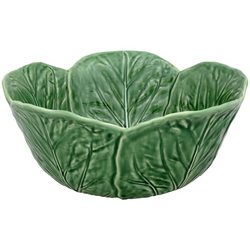
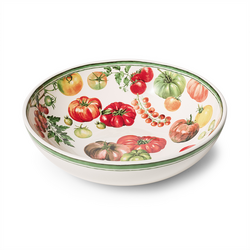
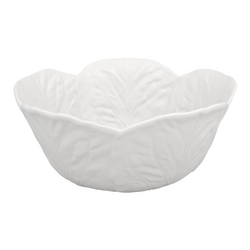
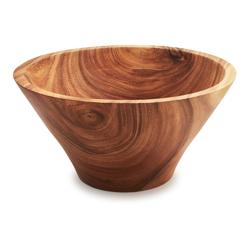
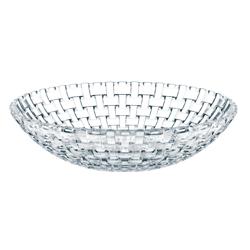
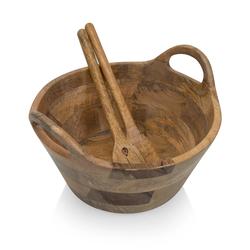
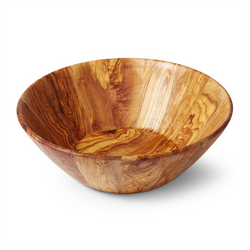
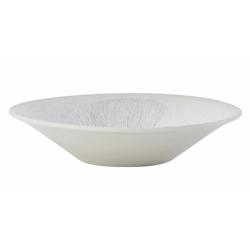
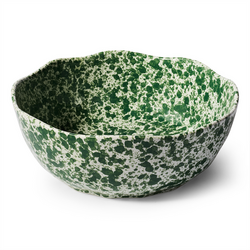
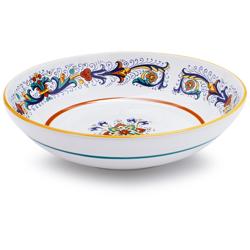
Large decorative salad bowls combine generous serving space with colors, textures and shapes that bring character to the table. They make room for leafy greens, chopped vegetables and grain salads while giving a shared dish a place at the center of a meal. A wide ceramic bowl filled with arugula, sliced pears and toasted pecans can be as much a part of the table setting as the linens beneath it. A wood bowl brings warmth to crisp greens, while clear glass shows off the layers of a colorful chopped salad. Decorative details can be subtle, such as a softly rippled rim or a lightly textured exterior, or more expressive, with painted botanicals and richly colored glazes. The right balance depends on how the bowl will work with the dishes already in use. A patterned serving bowl adds interest beside simple white plates, while a solid color can give a table with mixed dishes a sense of continuity. For a nature-inspired palette,
Large Green Salad Bowls complement wood serving pieces, neutral linens and food with warm, earthy colors. Shape contributes just as much as color: a broad, shallow bowl spreads ingredients across an inviting surface, while a deeper bowl creates height and keeps a generous helping of greens contained. Large salad serving bowls are useful well beyond dinner parties, too. They suit family-style meals, shared lunches and potluck gatherings where everyone helps themselves. During the cooler months, a salad of roasted squash, sturdy greens and dried cranberries offers a fresh contrast to richer dishes, and a decorative bowl makes that simple side feel thoughtfully presented. Between meals, a food-safe serving bowl can hold whole fruit on a kitchen counter or sit on an open shelf, letting a practical piece contribute to the room rather than spending all its time behind a cabinet door.
Material affects a decorative salad bowl’s appearance, weight and everyday care, so it deserves as much attention as the finish. Ceramic is a broad category that includes stoneware, earthenware and porcelain, each with qualities that vary by construction and firing. Stoneware often has a substantial feel that suits relaxed, family-style serving. Earthenware can offer expressive shapes and painted decoration, though it generally benefits from gentler handling to help prevent chips. Porcelain can provide a refined look without necessarily feeling bulky, but durability still depends on the individual bowl’s design. Across ceramic materials, a smooth, intact food-safe glaze provides a practical surface for serving dressed salads. Raised decoration on the outside adds texture without interrupting the interior, while pronounced ridges inside may take more attention to clean. Wood offers a different kind of appeal, with natural grain that makes each bowl visually distinctive. It is comfortable in casual settings and pairs especially well with simple linens and understated dinnerware. Solid wood generally needs prompt hand-washing, thorough drying and occasional conditioning with a food-safe product recommended by the manufacturer. Soaking and dishwasher heat can damage it. Bowls that combine wood with a coated interior may have different care requirements, so the coating should not be treated as permission to soak the entire piece. Glass gives ingredients center stage and can feel visually lighter on a crowded table, although a large glass bowl may still be heavy to carry. Stainless steel offers another option, particularly when a polished or textured exterior provides the decorative interest; it resists breakage but can develop scratches with use. For any material, confirm that the bowl is intended for food contact rather than display alone. Dishwasher safety, suitability for acidic dressings and temperature limits depend on the manufacturer’s instructions. A serving bowl should not be assumed to be oven safe simply because it is ceramic or glass. Gentle serving utensils, careful handling around the sink and a protective layer between stacked bowls can help preserve finishes and edges through regular use.
Size is most useful when considered alongside the food being served, the table space and the way the bowl will be handled. A large diameter does not always mean a large capacity: a shallow bowl may look expansive but hold less than a narrower, deeper design. Leafy salads need space above the ingredients for lifting and turning, especially when dressing is added just before serving. Dense bean, pasta and grain salads settle more compactly, though leaving some room below the rim still makes passing and serving easier. If a decorative bowl has a low or irregular edge, tossing in a separate mixing bowl before transferring the salad can keep the presentation tidy. For composed salads, that same broad shape is an advantage, allowing slices of citrus, roasted vegetables or wedges of avocado to remain visible rather than disappearing beneath the greens. Consider the bowl’s footprint beside dinner plates, water glasses and other shared dishes; on a smaller table, a deeper profile may be more practical than an especially wide rim. A stable base matters when someone is serving one-handed, and an edge that is comfortable to grip helps when carrying a full bowl from kitchen to table. Serving utensils should reach comfortably into the bowl without slipping inside or feeling awkwardly long. Storage deserves a little planning as well, including cabinet depth, shelf clearance and space in the sink for hand-washing. For frequent hosts, an easy-care bowl that coordinates with several table settings can earn its place through repeated use. For someone furnishing a first home, a versatile shape and a familiar color are often more useful than an elaborate design that requires special handling. Large decorative salad bowls also make thoughtful wedding, housewarming and host gifts, particularly for people who enjoy bringing everyone together over a shared meal. A well-chosen bowl feels personal through its color and texture, yet remains practical enough for an ordinary dinner of greens, warm bread and whatever is ready to share.