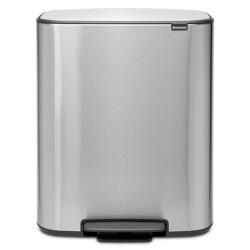
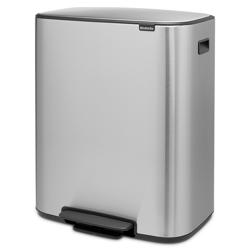
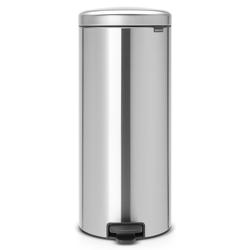
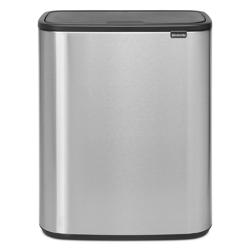
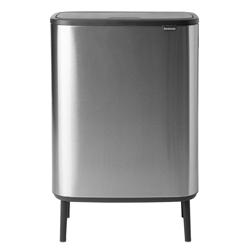
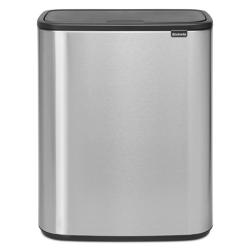
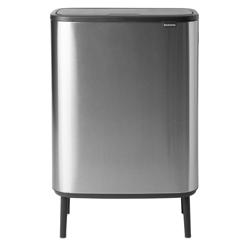
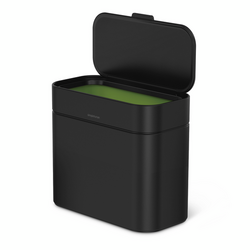
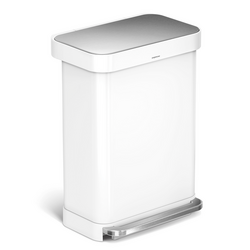
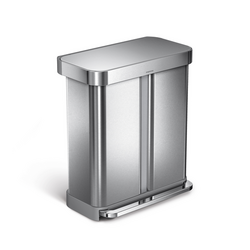
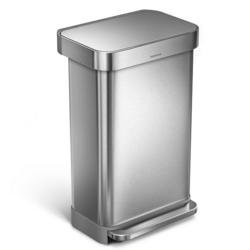
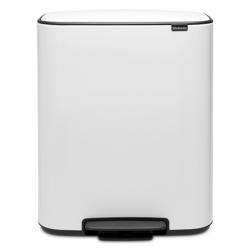
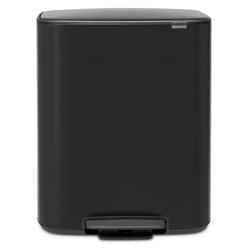
Large silver step trash cans are high-capacity waste bins with a silver-toned exterior and a foot pedal that opens the lid for hands-free disposal. Capacities around 13 to 22 gallons are common in this category, with options designed for either household trash alone or separate trash and recycling compartments. Features such as soft-close lids, removable inner buckets and fingerprint-resistant finishes can make everyday use more convenient, though details vary by design. For a busy kitchen, a larger capacity means more room for the packaging, paper towels and food scraps that accumulate during meal preparation and cleanup. A 13-gallon size is a familiar starting point for household use, while a larger format may suit a shared kitchen or a home where several people cook throughout the day. Capacity is only part of the picture: a single generous compartment accommodates bulky waste differently than two smaller compartments with the same combined volume. The silver finish also makes these cans easy to coordinate with stainless steel appliances, brushed metal cabinet pulls and a range of kitchen styles. Against white cabinetry, the finish adds contrast without introducing another color; alongside wood cabinets, it provides a clean, practical accent. Stainless steel is a popular material because it is durable, resists corrosion under normal indoor conditions and can be wiped clean. However, silver describes the appearance rather than the material, so construction details matter when comparing designs. Brushed surfaces have a softer look than highly polished metal, while fingerprint-resistant coatings can help reduce visible marks around the lid and sides. Those coatings still need routine cleaning, especially in a kitchen where splashes and greasy hands are part of daily life. Explore
Large Stainless Steel Step Cans for options centered on this durable material. A silver step can works well as a visible kitchen fixture when its proportions, finish and placement feel intentional rather than squeezed into the last open corner.
The best fit leaves enough room for the can itself, the lid’s movement and a comfortable step on the pedal. A narrow rectangular shape can sit neatly beside a cabinet or at the end of a counter, while a round or wider profile may need more open floor space. Overall height matters beneath a counter overhang, and the space required above an open lid can be greater than the closed dimensions suggest. Placement near the preparation area makes it easier to discard vegetable trimmings or empty packaging, but the can should not block a dishwasher door, a cabinet drawer or the path between the sink and stove. The foot pedal is especially useful when both hands are occupied with a cutting board or a stack of plates. A mechanical pedal opens the lid without batteries or a power connection, making it a straightforward choice for everyday disposal. Pedal width, resistance and the stability of the base all affect how comfortable that action feels. A can that rocks or slides when stepped on is less convenient, particularly on a smooth kitchen floor. Soft-close designs use a damping mechanism to lower the lid gradually, reducing the sharp bang of a lid dropping shut. A stay-open function, when included, can be helpful during a longer cleanup session or when changing the liner. Inside, a removable bucket can make spills easier to reach and give the liner a defined shape. Bag-retaining rims or similar features can help keep the liner from slipping down under the weight of discarded packaging. Liner fit deserves attention because gallon capacity alone does not guarantee that every bag will fit the rim or reach the bottom. Divided designs bring trash and recycling together in one location, but each compartment should suit the household’s actual habits. A home that collects plenty of bottles and cans may benefit from more recycling space, while another may need most of the interior reserved for everyday waste.
Regular care helps a large silver step trash can stay pleasant to use and keeps its finish looking clean. For stainless steel surfaces, a soft cloth with mild soap and water is generally a practical starting point, followed by drying to reduce streaks and water spots. Wiping in the direction of a visible brushed grain can help preserve a consistent appearance. Abrasive pads, harsh cleaners and products containing bleach may damage certain finishes or protective coatings, so the manufacturer’s care directions should take priority. Fingerprint-resistant surfaces may need a different cleaning approach than uncoated steel. The lid’s underside, rim and interior deserve attention as well, since small splashes can collect where they are not immediately visible. Removable buckets should be cleaned according to their care instructions and allowed to dry before a fresh liner goes in. A closed lid can help contain everyday odors, but it does not replace timely emptying, especially when the bag contains food waste. Larger capacity should mean useful room between changes, not a reason to keep wet scraps indoors longer than necessary. Leaving enough slack in the liner and avoiding overfilling also makes removal easier; a tightly packed bag can be heavy and awkward to lift. Durability depends on more than the exterior material. The pedal, hinges and lid mechanism are working parts that see repeated use, so sturdy construction matters in a family kitchen, shared home or frequently used entertaining space. A well-proportioned can can also make cleanup more manageable in a smaller household that cooks often, where meal preparation generates more waste than the number of residents might suggest. As a practical housewarming gift, a large step can is most useful when the recipient’s available space and preferred trash setup are known. For everyday use, the strongest choice balances capacity with comfortable operation, manageable bag changes and a finish that fits naturally into the kitchen.