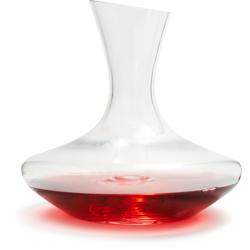
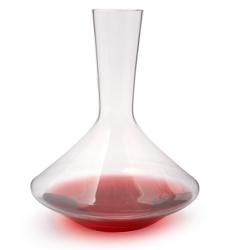
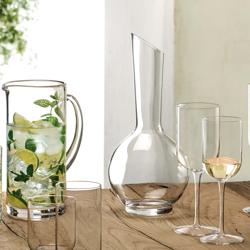
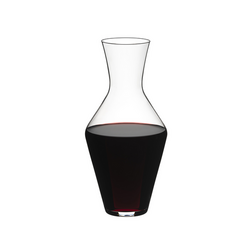
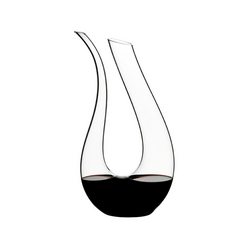
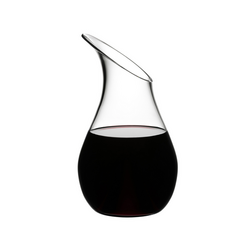
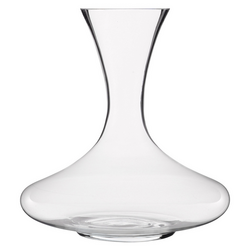
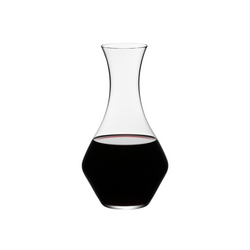
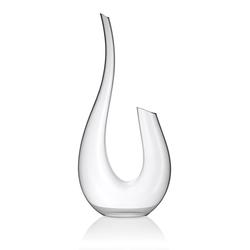
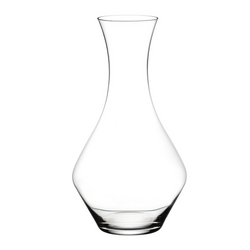
Lead-free decanters are serving vessels made from glass or lead-free crystal formulated without added lead. They bring wine or spirits to the table while offering an alternative to traditional lead crystal, which uses lead oxide to create brilliance and weight. Lead-free crystal uses other ingredients to achieve its clarity, while soda-lime glass offers another familiar option for clear, everyday serving pieces. The distinction matters because lead can migrate from lead crystal into beverages, particularly during extended contact. A lead-free designation describes material composition, however, not whether a vessel is airtight, dishwasher safe or suitable for every storage use. Those details depend on its construction and the manufacturer’s instructions. For wine, the shape of a decanter has a practical purpose beyond presentation. A broad bowl spreads wine across a larger surface, encouraging contact with air that may help some young wines reveal their aromas. A narrower vessel offers a more compact footprint and less exposed surface area. Decanting can also separate wine from sediment: pouring slowly and leaving the last sediment-bearing portion in the bottle helps keep the wine in the glass clear. Not every wine needs the same treatment. Some younger reds benefit from aeration, while delicate older wines may need only a careful transfer shortly before serving. A clear, undecorated body makes it easier to watch the pour and appreciate the wine’s color, from pale gold to deep garnet. When choosing a wine decanter, consider its usable capacity rather than its brimful capacity. A vessel intended to aerate a full bottle should leave room above the wine, not fill to the neck. That extra space also makes gentle swirling more manageable. For someone who opens wine with dinner, an easy-to-hold neck and a clean-pouring lip may matter more than an elaborate silhouette, especially when passing the decanter around a crowded table.
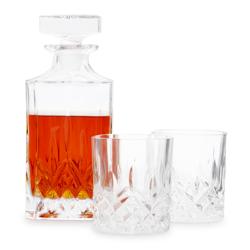
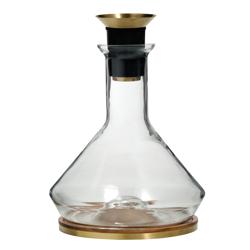
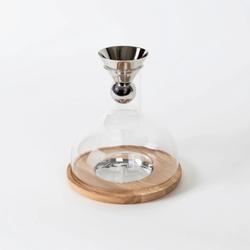
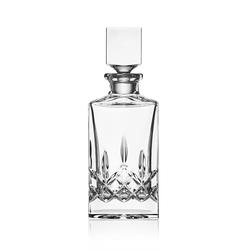
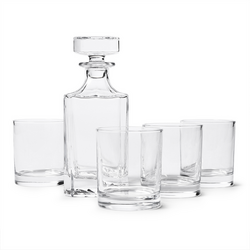
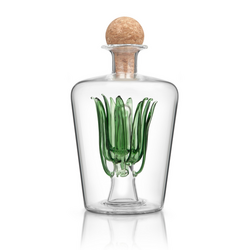
For spirits, lead-free decanters serve a different role: they provide a dedicated vessel for pouring and presenting drinks rather than a broad surface for aerating wine. A compact body with a fitted stopper can suit a home bar, sideboard or serving tray, but the quality of the closure deserves close attention. A stopper that rests neatly in the neck is not necessarily airtight, and decorative decanters should not automatically be treated as long-term storage containers. Check whether the vessel is intended for storing spirits, how its closure seals and whether any sealing components have separate care requirements. For infrequently poured spirits or bottles intended for extended keeping, the original bottle may be the more practical choice. Shape also affects everyday handling. A broad, stable base helps a decanter sit securely, while a neck that fits comfortably in the hand gives better control when pouring a small measure. Consider the weight when full, not just when empty; a substantial glass base can feel reassuring on a tray but become cumbersome to lift. A wide opening may be easier to fill, while a narrow opening may benefit from a funnel to keep the rim and exterior clean. Measure the intended shelf or cabinet with the stopper in place and leave enough overhead room to lift it out without tilting the vessel. These details are especially useful when choosing a gift. Someone who enjoys comparing wines may appreciate a form designed for aeration, while a person who likes serving spirits may prefer a compact shape with a dependable closure. A wedding, housewarming or anniversary gift feels more personal when its proportions and purpose suit the recipient’s habits. Simple lines can work alongside varied glassware, while a sculptural form can become a focal point without needing an entire matching set. The most useful choice is one that feels comfortable to handle and fits naturally into the way someone entertains.
Care and durability are just as important as appearance, particularly for a vessel with a narrow neck or a wide base that cannot easily be reached by hand. Neither glass nor lead-free crystal is unbreakable, and the absence of lead does not establish dishwasher safety or resistance to chips. Follow the manufacturer’s care directions, including any separate instructions for stoppers. When hand-washing is recommended, use mild dish soap and a soft cleaning tool that can reach the bottom without scraping the interior. Rinsing soon after use helps prevent wine residue from drying into a stubborn ring. A flexible decanter brush can make rounded interiors easier to clean, but avoid forcing a brush through a narrow opening or using abrasive pads that could scratch the surface. Rinse thoroughly so soap does not linger and affect the next pour. If mineral deposits leave a cloudy film, use a cleaning method approved for the material rather than reaching immediately for a harsh household cleaner. Protect the rim from knocks against the faucet or sink, and avoid sudden temperature changes that can stress the glass. After washing, let the vessel drain in a secure position with adequate airflow, then allow the interior to dry completely before replacing a stopper or putting it away. Trapped moisture can leave odors that are especially noticeable in an enclosed vessel. For a coordinated table or bar, explore
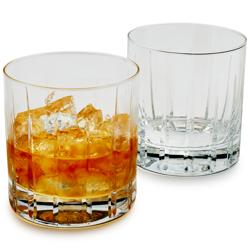
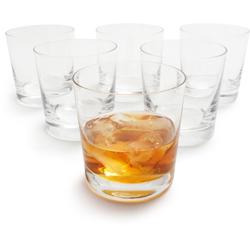
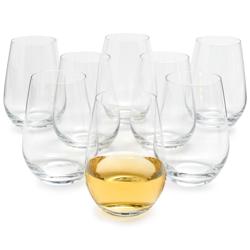
Lead Free Glassware with shapes that complement the decanter’s purpose: stemmed glasses for enjoying wine aromas or comfortable tumblers for serving spirits. Matching every contour is less important than balancing proportions and choosing pieces that feel good in use. Whether the setting is a quiet dinner for two or a table full of friends, a thoughtfully chosen lead-free decanter brings together clear presentation, controlled pouring and care requirements that fit everyday life.