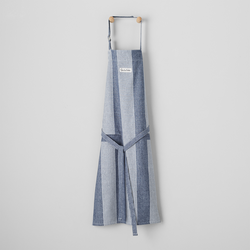
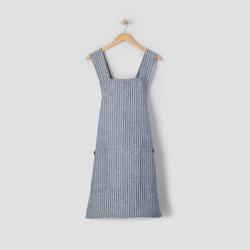
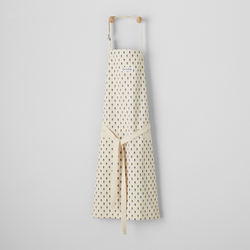
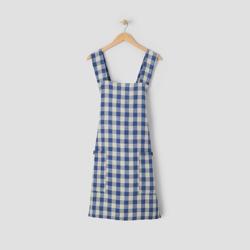
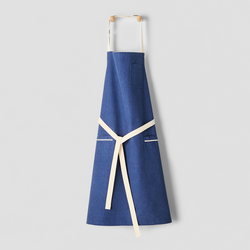
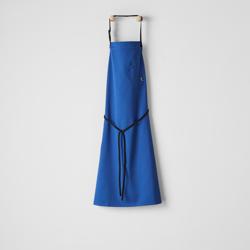
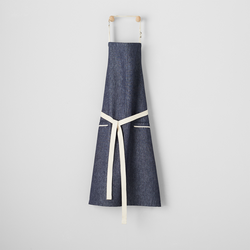
Light blue aprons bring a soft touch of color to the kitchen while helping protect everyday clothes from flour, splashes and the small messes that come with making something good. The shade feels at home with white dishes, natural wood and stainless steel, but it also pairs easily with deeper blues, warm neutrals and patterned kitchen linens. Depending on the fabric and finish, light blue can have a crisp, clean appearance or a more relaxed, washed look. A solid color keeps the focus on simple details such as pockets, ties and stitching, while a subtle stripe or small-scale pattern adds interest without competing with the rest of the room. Beyond appearance, an apron earns its place through ordinary tasks: kneading dough at a floured counter, whisking dressing in a shallow bowl or carrying a mixing bowl from the sink to the work surface. A full bib shape provides coverage across the chest and lap, making it useful for baking, meal prep and washing dishes. A waist apron offers less upper-body coverage but can suit lighter prep and serving, especially when a pocket is helpful for keeping a small towel close. The right amount of coverage depends on how you cook and what you tend to wear underneath. Someone rolling pasta by hand may appreciate a generous front panel, while someone arranging appetizers might prefer a lighter, less enveloping fit. Light blue also makes an easy visual connection between cooking and serving, particularly in an open kitchen where the apron stays on as guests gather nearby. For another way to coordinate that color throughout the space, explore
Aprons For Blue Kitchen Accessories. Matching every shade is not necessary; pale blue can sit comfortably beside navy dish towels, blue-and-white tableware or a favorite ceramic bowl.
Fabric and construction make a difference in how an apron feels through repeated use. Cotton is a familiar choice for its absorbency and comfortable feel, though its weight and weave can range from light and flexible to substantial and structured. A heavier cotton fabric may appeal to someone who wants a sturdier layer for frequent cooking, while a lighter weave can feel less bulky during quick prep. Linen often has a visible texture and a relaxed drape, with natural creasing that becomes part of its appearance. Blended fabrics can offer a different balance of softness, wrinkle resistance and ease of care, so the fiber label is more useful than appearance alone when deciding what suits a routine. Whatever the material, an apron should allow easy movement when reaching into a cabinet, leaning over dough or bending to retrieve a pan. Adjustable neck straps help position a bib where it provides useful coverage without pulling too high against the neck. Cross-back straps distribute the apron’s weight across the shoulders, which some cooks prefer when wearing it for longer stretches. Waist ties should have enough length to fasten comfortably, whether tied behind the back or brought around to the front, without leaving loose ends near a burner. Apron length matters, too: a longer front offers more coverage, but the hem should stay clear of your steps. Pockets add everyday convenience when they are well placed and easy to reach. A divided pocket can separate a recipe note from a small tool, while a roomy center pocket can hold a folded kitchen towel. Reinforced stitching at pocket corners and strap attachments is a useful detail because those areas receive frequent pulling and handling. An apron is a protective layer for clothing, not a substitute for oven mitts or other heat protection, and its ties and fabric should always stay away from open flames.
Easy care helps a light blue apron remain part of the daily routine rather than something saved for occasional use. Care requirements vary by fiber, dye and trim, so the sewn-in label should guide washing, drying and ironing. A washable apron is especially practical for frequent baking or cooking, but machine washable does not necessarily mean suitable for every water temperature or dryer setting. Treating a splash promptly, before it dries into the fabric, is generally easier than dealing with an older mark. Tomato sauce, oil and berry juice can need different treatment, and checking a stain remover on an inconspicuous area helps protect the pale blue color. Avoid applying dryer heat until a stain has been removed, since heat can make some marks more difficult to lift. Following the recommended wash temperature and separating colors as directed can also help preserve the fabric’s appearance. Cotton and linen may crease or shrink depending on their construction and care instructions, so a neat, pressed finish and a softly rumpled one may call for different routines. Hanging an apron by a secure loop or folding it into a drawer keeps it within reach without leaving ties trailing across the work area. Those practical details matter when choosing an apron as a gift, too. A light blue apron can be a thoughtful housewarming present, a useful addition to a wedding gift or a personal choice for someone who enjoys baking bread, decorating cakes or making dinner for friends. An adjustable design offers flexibility when the recipient’s exact fit preferences are unknown, while an easy-care fabric suits someone who cooks often. For a more personal gift, the shade can echo the recipient’s kitchen linens or simply reflect a color they enjoy wearing. Whether used for a familiar weeknight recipe or a leisurely afternoon of baking, a comfortable apron with sensible details makes it easier to get on with the cooking.