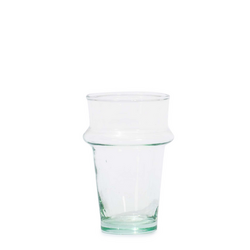
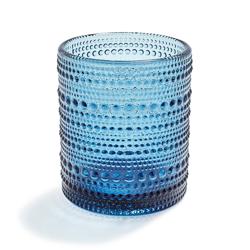
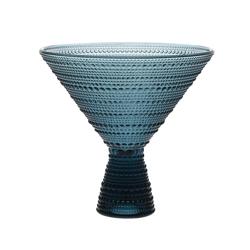
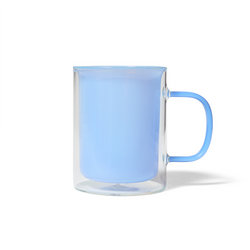
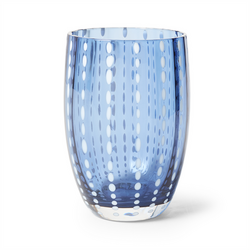
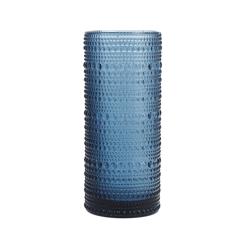
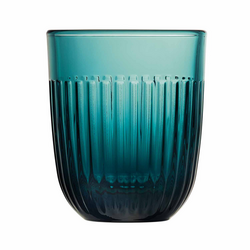
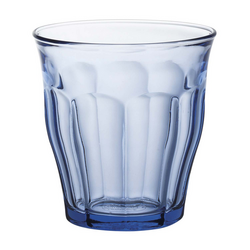
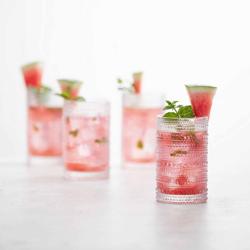
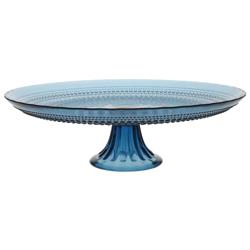
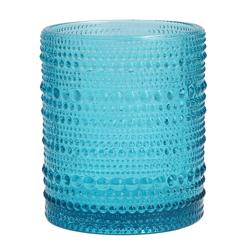
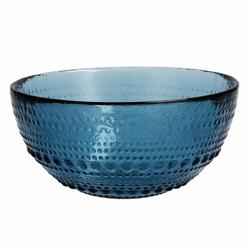
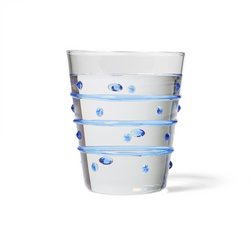
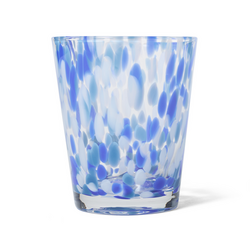
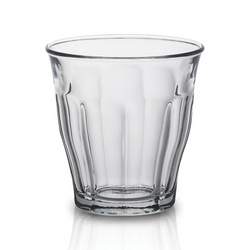
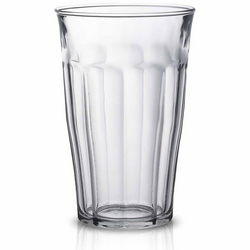
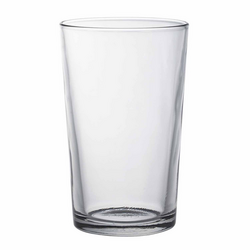
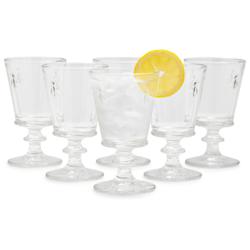
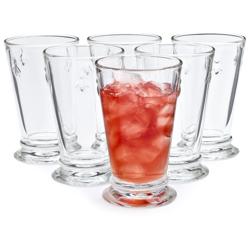
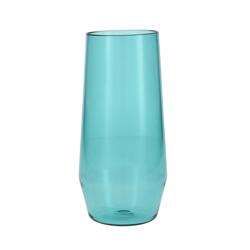
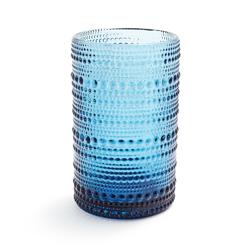
Light blue glasses are drinking glasses in soft blue shades that bring a little color to everyday meals, dinner parties and relaxed gatherings. Used for water, iced tea, juice or cocktails, light blue drinkware offers a gentle alternative to clear glass without making a table feel overly coordinated. The color can suggest sea glass, a pale winter sky or the blue edge of an old ceramic plate, depending on the shade and finish. Transparent glass lets the drink become part of the effect: sparkling water catches the light, a lemon slice stands out against the blue and ice adds another layer of reflection. More opaque finishes make a stronger color statement and place greater emphasis on the silhouette. Pale blue pairs easily with white dinnerware, cream linens and natural wood, but it also sits comfortably beside gray stoneware, dark green napkins or warm amber accents. During the cooler months, that soft color can lend a fresh contrast to hearty meals and textured table linens without feeling out of season. For an everyday setting, a blue water glass beside a familiar plate may be all the decoration needed. For a gathering, repeating the shade around the table creates continuity while leaving room for mismatched serving dishes and flowers in a simple vase. Color is only one part of the appeal, though. The shape, weight and feel of a drinking glass determine whether it becomes the one someone reaches for at breakfast or saves for a leisurely dinner. A short tumbler can feel comfortable beside a lunch plate, while a taller glass leaves more room for ice in an afternoon drink. Light blue glasses work especially well for people who enjoy a colorful table but prefer pieces that can move between casual meals and more dressed-up occasions. Their versatility comes from that balance: enough personality to be noticed, with a shade that lets food and conversation remain the focus.
Choosing light blue glassware starts with how it will be used and how it feels in the hand. For water throughout the day, a comfortable grip and a stable base may matter more than an elaborate shape. For iced drinks, consider whether the bowl has enough space for both the beverage and the ice without filling it to the rim. A tall, narrow glass can look graceful on the table, but a broader opening may be easier to fill, stir and clean. Smaller hands may find a slender tumbler easier to hold than a wide, heavy one, while a substantial base can give a glass a reassuring feel when set down. Weight alone does not establish durability, however, and a thick glass can still chip or break if knocked against a hard surface. Material and construction deserve a closer look. Standard glass offers clarity and a familiar feel, while tempered glass has been treated for greater strength but is not unbreakable. Acrylic and other drinkware materials can provide a similar blue accent where breakage is a concern, although their care requirements and resistance to scratching differ from glass. Check the material description rather than relying on appearance. Color may be incorporated into the glass or applied as a surface finish, and that distinction can affect cleaning recommendations. Smooth sides keep the look simple and make the contents easy to see; ribbed or textured surfaces add visual depth and a different feel against the fingers. A comfortable rim matters with every sip, especially for glasses intended for frequent use. It is also worth considering the space beyond the table. A tall glass needs adequate clearance in a cabinet and dishwasher, and a broad base takes up more room on a crowded shelf. Stack glasses only when they are designed for stacking. For meals on a patio or drinks carried outside,
Blue Outdoor Glasses offer a related direction to explore, with individual material and care details helping determine what suits the setting.
Thoughtful care helps light blue glasses remain a pleasure to use, whether they come out daily or mostly when friends visit. Always follow the manufacturer’s cleaning instructions, particularly for colored finishes, decorative details and materials other than glass. Dishwasher-safe drinkware should sit securely with enough space to prevent contact with neighboring pieces during the cycle. If hand-washing is recommended, use mild dish soap, a soft sponge and a brush that reaches the bottom without forcing it through a narrow opening. Abrasive pads can scratch surfaces or damage applied decoration. Let glasses dry fully before putting them away, and use a clean, soft cloth to remove lingering water spots when the care instructions allow it. Avoid sudden temperature changes unless the drinkware is specifically rated to handle them; an everyday cold-drink glass should not be assumed suitable for boiling water or a hot cocktail. Check rims and bases periodically, and stop using glassware that has chips or cracks. These small habits are especially useful in a busy household, where glasses move from breakfast to the sink to the dinner table in quick succession. When choosing a quantity, think about a normal day as well as the occasional gathering: household members may use more than one glass before the dishwasher runs, and guests often appreciate a separate water glass alongside another drink. A consistent shape can make place settings feel orderly, while a mix of complementary shapes gives a more collected look. Light blue drinking glasses can also be a thoughtful housewarming, wedding or host gift for someone who enjoys setting the table. The most useful choice reflects the recipient’s habits and space, not just a favorite color. Someone with open shelving may enjoy the way pale blue catches daylight, while a frequent host may value easy care and a shape that fits neatly beside wineglasses. Paired with familiar dinnerware or brought out for a shared meal, light blue glassware adds color through an object that earns its place with every pour.