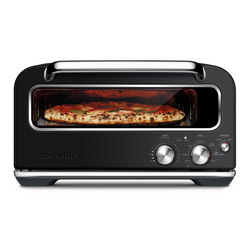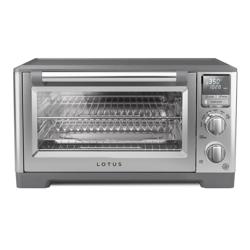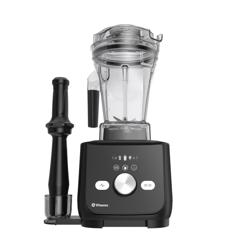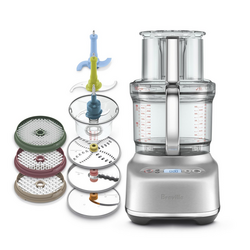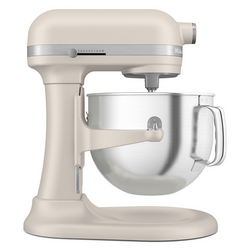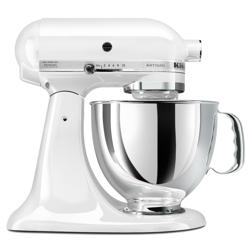
Luxury home appliances combine thoughtful design, durable materials and precise controls to support everyday cooking, baking and coffee preparation. Their appeal goes beyond a polished exterior: meaningful improvements can include more consistent results, intuitive operation and construction suited to repeated use. In a working kitchen, luxury might mean a mixer that handles bread dough steadily, a blender that turns cooked vegetables into a smooth soup or a countertop oven with enough control to brown a pastry without overcooking its filling. These appliances serve different purposes, but the most useful choices share a close connection to the way a household actually cooks. Someone who bakes regularly may value a stable base, a comfortable bowl handle and a useful range of mixing speeds. A cook who prepares sauces, dips and dressings may appreciate responsive controls and a container that pours neatly. For a busy household, straightforward settings and components that are easy to clean can matter just as much as advanced functions. Performance is best understood through the task at hand rather than a single specification. Motor power alone does not explain how well an appliance handles a dense mixture, and a long list of cooking modes does not necessarily make dinner easier. Consistent operation, accessible controls and well-designed food-contact surfaces contribute to the experience every time an appliance is used. Capacity matters, too: preparing a small batch of pesto calls for a different working space than mixing dough for several loaves. An appliance should accommodate familiar recipes without making ordinary preparation unnecessarily cumbersome. For people who enjoy experimenting, flexible settings can leave room to adjust texture, timing and technique as their confidence grows. For those who prefer a dependable routine, clear presets may simplify frequently repeated tasks. Luxury home appliances are most rewarding when their design supports both the food being prepared and the person preparing it, whether that means a quick breakfast before work, a carefully kneaded loaf or several dishes coming together for guests.
Materials and fit shape how an appliance feels in the kitchen long after its first use. Stainless steel housings offer a clean, versatile appearance, while sturdy metal components can contribute to stability during demanding tasks. Glass containers make it easy to see ingredients as they blend or mix, although their weight deserves consideration when lifting, pouring and washing. Food-contact materials, seals and removable components are as important as the exterior finish because they affect everyday handling and cleanup. A substantial appliance may feel reassuring on the counter, but it also needs a practical place to live. Overall dimensions are only part of that calculation. Clearance beneath cabinets, room to open a lid or door and access to a water reservoir can determine whether an appliance is comfortable to use in its intended spot. Ventilation requirements and cord placement also deserve attention, especially in a kitchen where several appliances share a work area. A machine that fits neatly into a corner may still need to move forward for filling or cleaning. Likewise, a larger capacity is helpful only when it matches the household’s portions and leaves enough room for other preparation. Finishes can complement cabinetry, cookware and nearby fixtures without requiring every surface to match. Smooth controls, readable markings and handles that feel secure often make a more lasting difference than decorative details alone. Care is another part of a good fit. Removable components may simplify cleanup, but dishwasher suitability varies and should always follow the manufacturer’s instructions. Wiping the exterior as directed, keeping vents clear and addressing food residue promptly help maintain normal operation. Coffee equipment may also need routine descaling based on its instructions and the water being used. Longevity depends on construction, frequency of use, maintenance and repairability rather than the luxury label alone; there is no universal service life for this broad category. Warranty terms and service options offer useful context when considering durability. An appliance that is comfortable to operate and realistic to maintain is more likely to remain part of a daily routine.
For many households,
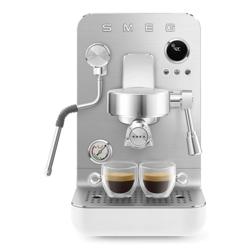
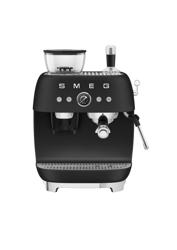
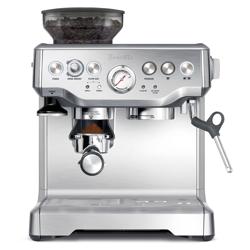
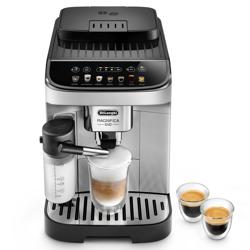
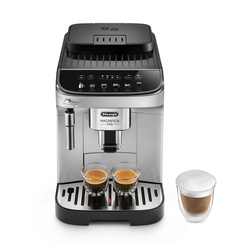
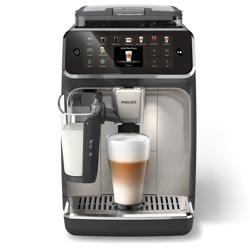
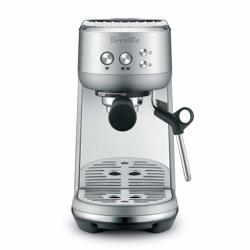
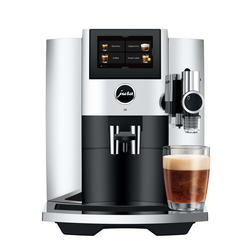
luxury kitchen coffee appliances bring particular value to a familiar daily ritual. A satisfying coffee setup can support anything from a straightforward morning cup to an espresso followed by carefully textured milk. The right approach depends on how involved the coffee drinker wants to be. Manual adjustments allow room to explore grind size, extraction and milk texture, while automated functions can make a preferred drink easier to repeat. Neither approach is inherently better; the important distinction is whether the experience suits the person using it. Readable controls, comfortable access for refilling and a manageable cleaning routine help make coffee preparation enjoyable rather than another task to work around. That same attention to daily habits applies throughout the kitchen. A frequent host may appreciate appliances that support preparation before guests arrive, leaving more time to finish a sauce, arrange the table or enjoy conversation. An enthusiastic baker may use precise mixing controls to develop recipes over time, while someone furnishing a first home may prefer versatile functions that support several familiar meals. Shared kitchens benefit from controls that different users can understand without a lengthy explanation, along with components that are comfortable to lift and return to place. Luxury appliances can also make thoughtful wedding, housewarming or milestone gifts when they reflect an established interest. A generous gift is most useful when its size, intended purpose and care requirements suit the recipient’s home, so personal preferences matter more than an impressive appearance. For someone who enjoys cooking, the pleasure often comes from small, repeated moments: a batter mixed evenly, a sauce poured cleanly or a coffee prepared just the way they like it. Choosing around those moments keeps the focus on lasting usefulness. Good design supports the work without demanding unnecessary attention, allowing the appliance to become a natural part of the kitchen rather than something reserved for special occasions.