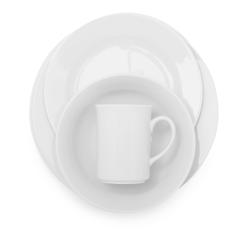
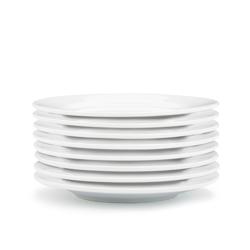
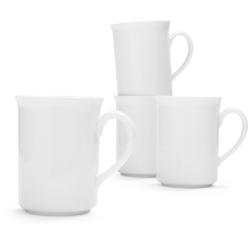
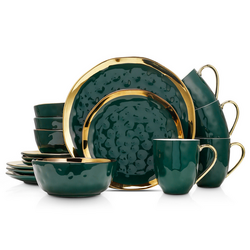
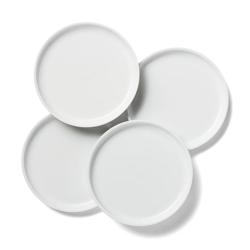
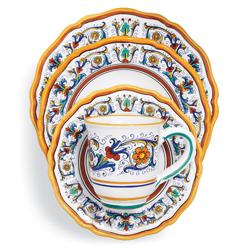
Luxury porcelain dinnerware combines a finely finished porcelain body with thoughtful shapes, balanced proportions and decorative details that make a place setting feel special. Its appeal is as much about how it feels in the hand as how it looks on the table: a comfortable rim, a smooth glazed surface and a plate that frames food without overwhelming it. Porcelain is typically made from a blend of kaolin clay, feldspar and quartz, then fired at high temperatures to create a dense, vitrified ceramic body. Depending on the composition and thickness, it can have a subtle translucency, particularly along thinner edges. That delicate appearance does not necessarily mean it needs to be reserved for formal dinners. Well-made porcelain can suit regular meals, provided its care requirements match the way it will be used. The qualities that distinguish a refined setting often become clearer up close, from the evenness of the glaze to the precision of a painted border or the smooth finish of a raised pattern. Hand-painted decoration, sculpted relief and gold or platinum accents can contribute to the design, but ornate detailing is not a requirement. A plain white setting with graceful proportions can be just as striking, especially when a bright salad, roasted vegetables or a carefully plated dessert provides the color. White and ivory tones also vary, so consider whether a cool, bright finish or a warmer shade will sit more comfortably with existing linens and serving pieces. For patterned dinnerware, notice how the decoration frames the eating surface. A narrow border leaves room for the meal itself, while an allover motif becomes a stronger part of the presentation. The best choice is not necessarily the most elaborate one; it is the dinnerware whose finish, weight and shape feel right for the meals and gatherings it will serve.
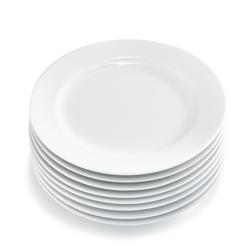
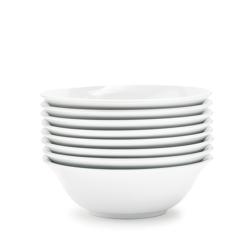
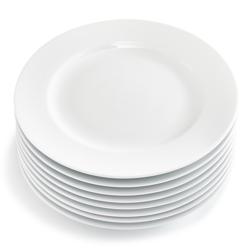
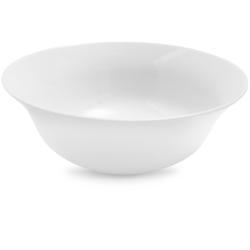
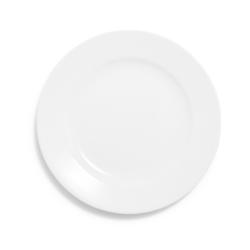
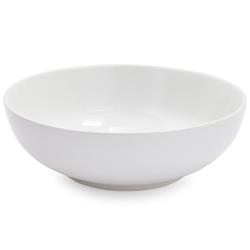
Choosing luxury porcelain dinnerware starts with the way a household eats and entertains. A wide, flat plate gives a composed entrée room to breathe, while a shallow bowl can be more comfortable for pasta, risotto or a saucy braise. A deeper bowl serves a different purpose, keeping soup or breakfast cereal contained without requiring a large footprint on the table. Consider usable space rather than diameter alone: a generous decorative rim can make a plate look substantial while leaving a smaller area for food. Likewise, a sharply sloped bowl may hold less than its width suggests. Weight matters, too, particularly when carrying several settings from a cabinet or passing a serving dish around a full table. Dinnerware should feel comfortable to lift, not simply impressive when arranged. Before choosing shapes and sizes, check the depth of cabinet shelves, the spacing of dishwasher racks and the size of any appliance in which the pieces may be used, where the manufacturer's instructions permit it. Broad rims and tall profiles can require more storage space than expected, and an oversized setting can crowd glasses and flatware on a smaller dining table. Think through both a quiet dinner for two and the largest gathering typically hosted, allowing for the courses actually served rather than building a setting around pieces that rarely leave the cupboard. A coordinated look does not require every piece to share the same decoration. Plain porcelain can balance a patterned accent, and repeating one color or edge detail helps different shapes feel connected. For a cleaner-lined approach,
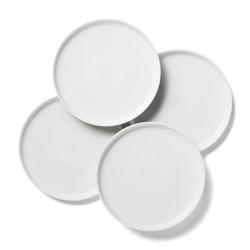
Modern Porcelain Dinnerware offers another direction to consider when shaping a table around simple forms. Luxury porcelain can also make a thoughtful wedding, anniversary or housewarming gift, especially for someone who enjoys cooking or gathering friends around a meal. When choosing for another household, take cues from its existing tableware, storage space and care preferences. A gift that fits naturally into everyday routines is more likely to become part of shared meals than something that requires an entirely different approach to setting the table.
Care and durability deserve the same attention as appearance, particularly when dinnerware will move regularly between the table, dishwasher and cabinet. Porcelain's dense body generally absorbs less moisture than more porous ceramics, but it is not unbreakable. Thin edges, projecting details and handles can be vulnerable to knocks, and even substantial pieces can chip if they strike a sink or another dish. For everyday use, smooth profiles and straightforward finishes may be easier to handle than intricate relief or delicate metallic decoration. Always follow the manufacturer's instructions for dishwasher, microwave and oven use; the word porcelain alone does not establish that a piece is suitable for every appliance. Metallic trim should be kept out of the microwave, and decorated surfaces may require hand-washing to preserve their finish. When hand-washing, use mild dish soap, a soft sponge and a little space in the sink so pieces do not knock together. If dishwasher use is permitted, load dinnerware securely with enough separation to prevent contact during the cycle. Avoid abrasive scrubbers that can dull a glaze or wear away decoration. Gray marks left by flatware are sometimes metal deposits rather than scratches; use only a cleaning method approved for the particular finish instead of reaching immediately for a harsh scouring product. Sudden temperature changes can also stress ceramic dinnerware, so avoid moving a hot piece directly onto a cold or wet surface. In storage, stack matching shapes carefully and consider soft separators for decorated surfaces or pieces used less frequently. Thoughtful handling protects the details that made the dinnerware appealing in the first place without turning every meal into a ceremony. At the table, those details can work quietly: a textured rim beside a linen napkin, a pale glaze beneath a slice of chocolate cake or a fine border catching the light beside clear glassware. Luxury porcelain dinnerware earns its place through that balance of beauty and usefulness, bringing care to the presentation while leaving the food and the people sharing it at the center of the meal.