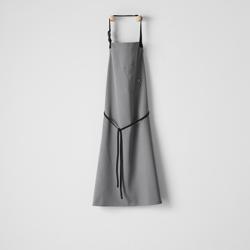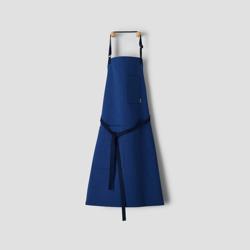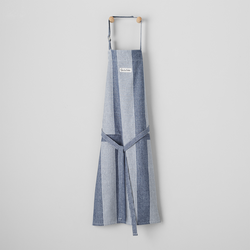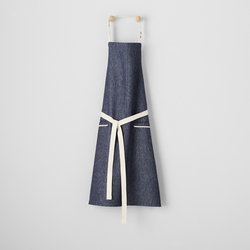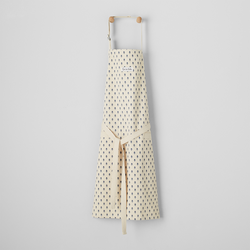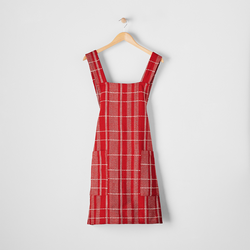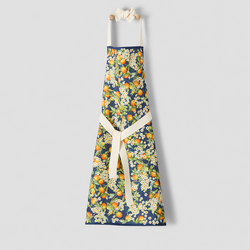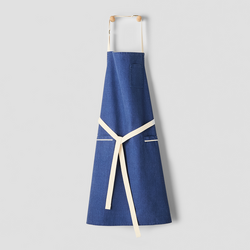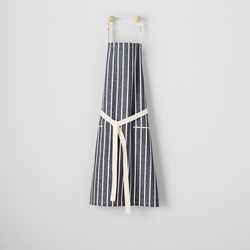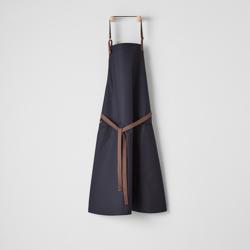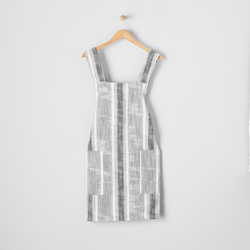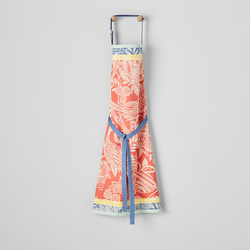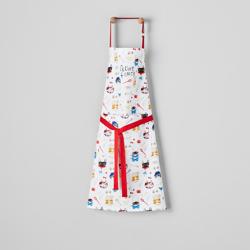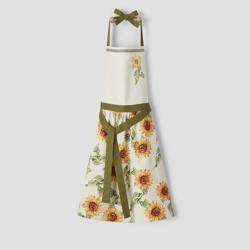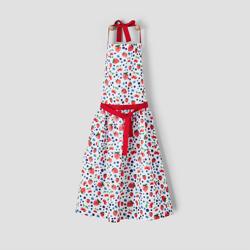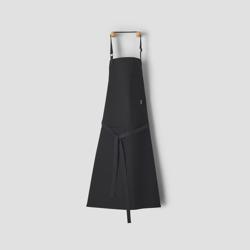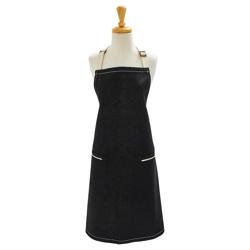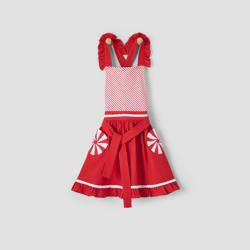
Machine washable chef aprons help protect clothing from everyday cooking splashes, flour and food stains, with the convenience of cleanup in the washing machine. Common materials include cotton, cotton canvas, denim and cotton-polyester blends, each offering a different balance of softness, structure and care requirements. For anyone who cooks regularly, an apron earns its place alongside the cutting board and kitchen towel: it catches the dusting of flour from kneading bread, shields a shirt while whisking vinaigrette and provides a barrier against the occasional splash of tomato sauce. The best fabric for the job depends on how much coverage and weight feel comfortable. Cotton is absorbent and breathable, making it a practical choice for everyday meal preparation, while cotton canvas generally has a firmer feel that suits cooks who prefer a substantial apron. Denim offers similar substance, with a texture that can soften through wear and washing. Cotton-polyester blends can offer better wrinkle resistance and quicker drying than comparable all-cotton fabrics, though performance varies with the weave and fiber proportions. A lighter cotton apron may feel more comfortable when standing over a simmering pot; a heavier fabric may be preferable for messy dough work or repeated use throughout the day. Fabric weight alone does not determine quality, however. Even stitching, securely attached straps and reinforced pocket corners all contribute to an apron that can handle regular wear. Color and pattern have a practical role, too. Dark shades can make some food marks less noticeable, although flour shows up readily against them, while patterns can help disguise small splashes between washes. Cooks who prefer the familiar feel of cotton can also explore
machine washable cotton aprons for everyday kitchen tasks. Whether the routine involves a quick breakfast or a full afternoon of roasting and baking, an apron should feel easy to reach for, comfortable to wear and straightforward to clean.
Fit matters just as much as fabric, especially when an apron stays on through chopping, cooking and washing dishes. A bib apron covers the chest and lap, making it useful for tasks that send ingredients beyond the countertop, from beating cake batter to rolling fresh pasta. A waist apron leaves the upper body uncovered but adds protection at the lap and a convenient place for pockets. For fuller coverage, consider both the width of the apron and its length rather than relying on a general size description. The bib should sit comfortably across the chest, and the lower portion should allow easy movement when bending to open the oven or stepping between the sink and stove. Adjustable neck straps help position the bib, while long waist ties can offer flexibility over different clothing. Depending on their design, cross-back straps can distribute weight across the shoulders instead of concentrating it at the neck, which may be more comfortable during longer cooking sessions. Strap placement is personal: a style that feels secure on one cook may slip or pull on another. During the cooler months, enough room to fit over a long-sleeved shirt makes an apron easier to use without restricting movement. Pockets deserve a closer look as well. A divided pocket can keep a pen separate from a small notepad, while a roomy front pocket may hold a timer or another lightweight tool. Overfilling pockets adds weight and can pull the apron forward, so their placement and construction matter more than sheer size. Keep knives and other sharp tools out of apron pockets, and secure loose ties away from burners and appliance attachments. An everyday chef apron is not protective equipment for hot pans, open flames or heavy grease splashes; oven mitts and appropriate cooking precautions still have their own jobs. For home cooks, enthusiastic bakers and people preparing several meals in one session, the most useful design is one that offers coverage without getting in the way.
Easy care is a major reason to choose a machine washable chef apron, but machine washable does not mean every fabric needs the same treatment. The sewn-in care label should determine the water temperature, wash cycle and drying method, particularly when an apron includes contrasting trim, coated fabric or removable straps. Cotton can shrink, especially with higher heat, and dark denim or richly colored fabric may release dye during early washes. Washing with similar colors and following any instructions to wash separately helps protect other laundry. Cold or warm water and a gentle cycle are appropriate for many aprons, but they are not universal requirements. Likewise, tumble drying on low heat is suitable only when the label permits it; line drying may help limit heat-related shrinkage and wear. Before washing, empty every pocket, brush off loose flour and remove detachable accessories if the care instructions call for it. Treat sauce or oil marks promptly with a fabric-appropriate laundry product, testing for colorfastness where needed. Check stained areas before putting the apron in the dryer, since heat can make some marks harder to remove. Chlorine bleach is unsuitable for many colored fabrics and trims, so use it only when explicitly allowed. Smooth the bib and straps after washing to help the apron dry into a comfortable shape, and follow the label if ironing is needed. These small habits support durability without turning apron care into a separate project. Having more than one apron also makes it easier to put on a clean one when an earlier cooking session leaves the first damp or soiled. For gifting, machine washable chef aprons suit a wide range of cooks, from someone learning a few dependable dinners to a dedicated bread baker or a host who enjoys preparing meals for friends. Adjustable features, useful coverage and manageable care requirements are worth prioritizing over decorative details alone. Paired with a favorite recipe or given as a practical housewarming present, a thoughtfully chosen apron can become part of the recipient’s everyday cooking routine.