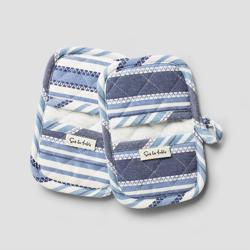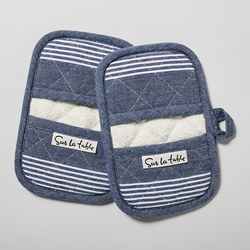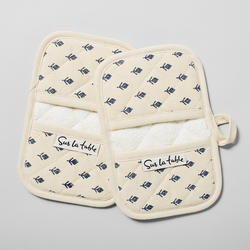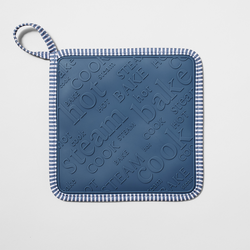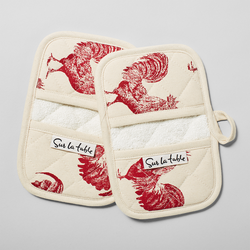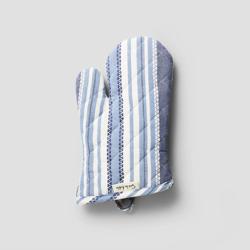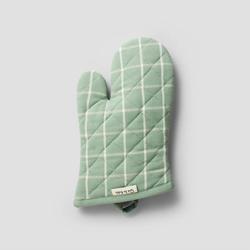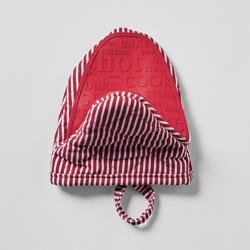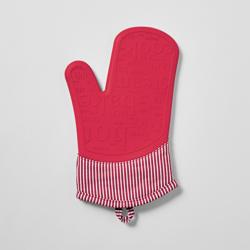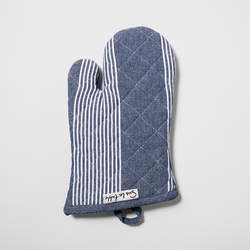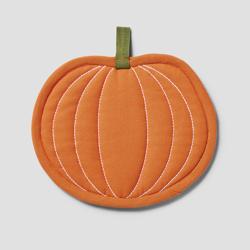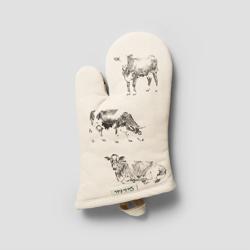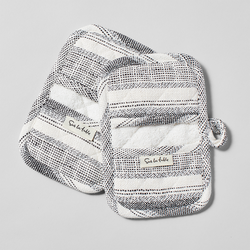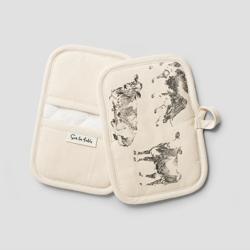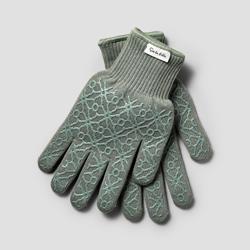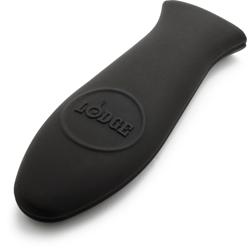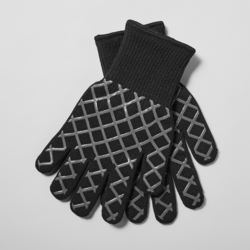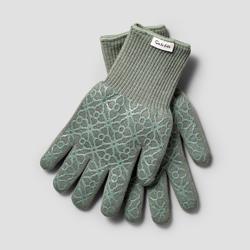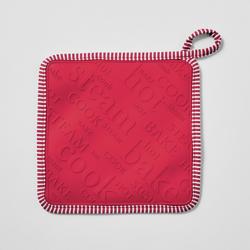
Machine-washable potholders are reusable kitchen pads designed to help protect hands when handling hot cookware and to be cleaned in a washing machine according to their care instructions. They combine the everyday usefulness of a heat-resistant barrier with the convenience of washable fabric, making them a practical choice for cooks who regularly move pans, lift lids or carry baking dishes to a serving area. A little tomato sauce on the edge or a buttery fingerprint does not have to mean careful spot cleaning after every meal. Once the potholder has cooled, routine laundering can help remove food residue and keep it ready for the next cooking project. Construction matters as much as easy care, though. Cotton is a common choice for the outer fabric because it feels soft and bends around handles, while quilted designs help hold layers of padding in place. Terry cloth adds a textured surface, and some styles incorporate silicone grip details to help reduce slipping. The complete construction determines how a potholder performs; a cotton exterior alone does not establish its heat resistance, and silicone details do not automatically make it suitable for every cooking task. Check the manufacturer’s intended use and any stated heat limits before choosing a style for your kitchen. A flexible pad may be comfortable around a saucepan handle, while a broader shape can provide useful coverage beneath the side handle of a casserole dish. For anyone who cooks frequently, that balance of coverage, cushioning and flexibility is worth noticing. Potholders should allow a deliberate, secure grip without requiring you to squeeze through so much bulk that the handle becomes difficult to feel. Machine washability makes maintenance simpler, but the best fit for your routine also depends on what you cook, the cookware you use and how comfortably the pad sits in your hand.
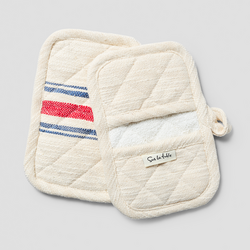
Shape and size make a noticeable difference when a baking dish is full or a pan handle is narrow. Flat potholders fold around handles and stack neatly in a drawer, making them easy to keep near a cooking area without taking up much storage space. Pocket styles give fingers a place to tuck inside and can help keep the pad positioned during a lift, although they do not necessarily cover the wrist or forearm the way a longer oven mitt can. Look for enough room to place your hand comfortably without stretching the seams or leaving fingertips close to an exposed edge. A generous pad can offer more coverage, but excess fabric can also get in the way around small handles. The right balance becomes especially clear when lifting a covered Dutch oven or transferring a rectangular baking dish: both hands need a firm hold, and each hot handle needs its own protection. Keeping a pair of clean, dry potholders within reach makes those tasks easier to organize. Hanging loops are useful for storage away from burners, while a flat profile suits a shallow drawer alongside other kitchen textiles. Color and pattern have a practical role, too. A distinctive design can make a potholder easier to spot on a busy counter, and coordinating textiles can give an open shelf or hanging rail a more considered look. Dark colors and busy patterns may make marks less noticeable, but visible cleanliness should not be the only cue for washing. For use beneath cookware, choose a potholder specifically identified as suitable for use as a trivet and confirm that it provides appropriate protection for the surface below. Not every hand pad is intended to support a hot pot on a table. Likewise, stovetop cooking, oven baking and outdoor grilling place different demands on hand protection. A compact potholder is not a substitute for equipment designed to protect against open flames, splattering grease or exposure farther up the arm.
Easy care is most valuable when it fits into habits you can maintain. Read the sewn-in label before laundering, since machine-washable potholders can differ in recommended wash settings, detergent restrictions and drying methods. Some tolerate tumble drying, while others need to air-dry; grip coatings, decorative finishes and inner padding may have different care requirements from the outer fabric. Follow any directions about washing with similar colors or avoiding bleach and fabric softener rather than treating every kitchen textile alike. A greasy mark may need pretreatment with a product permitted by the care label, and a heavily soiled potholder should not simply return to its hook because the stain is hard to see. After washing, let every layer dry completely before use. Damp fabric can transfer heat rapidly and cause burns, so a potholder that is still moist inside is not ready to handle hot cookware. Keeping an extra pair gives freshly washed pads time to dry without leaving you short of hand protection when dinner is ready. Between washes, check for thinning fabric, split seams, exposed filling or worn grip areas. Stitching that keeps the padding evenly distributed, neatly finished edges and a hanging loop attached securely are useful construction details to consider, but even a well-made potholder needs replacement when its protective layers become damaged or compressed. Store clean pads where they will stay dry, away from sink splashes and hot cooking surfaces. For a coordinated collection of everyday kitchen linens,
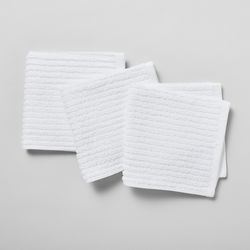
Machine Washable Dishcloths complement washable potholders by handling wiping and washing tasks; keep dishcloths separate from the dry pads reserved for hot handles. These practical textiles also make thoughtful gifts for someone setting up a first kitchen, moving into a new home or spending more time baking. Choose shapes that suit the recipient’s cooking habits and colors that feel at home in their space. Whether they are used for a pan of roasted vegetables, a bubbling pasta bake or a carefully lifted saucepan lid, washable potholders earn their place through comfortable handling and straightforward upkeep.