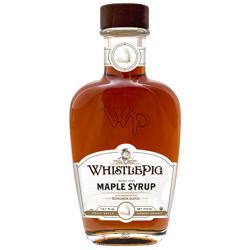
Maple syrup for cooking brings more than sweetness to a recipe. Made by concentrating the sap of maple trees, pure maple syrup has a rounded flavor with notes that can suggest caramel, toasted wood, vanilla and warm spice. It dissolves easily, blends into sauces and batters and helps foods develop a glossy finish as they cook. Its flavor can range from delicate and lightly sweet to deep, bold and almost smoky, so choosing the right style is an important part of getting the best result. Lighter syrup works beautifully in recipes where you want a gentle maple note, such as whipped cream, yogurt, fruit compote or a simple vinaigrette. Darker grades, including Grade A Dark & Robust and Grade A Very Dark, have the stronger flavor needed for baking, braising and savory glazes. Their character stands up to other ingredients instead of disappearing into the finished dish. When selecting maple syrup for cooking, consider how you plan to use it, the amount required by the recipe and whether you prefer a subtle sweetness or a more pronounced maple flavor. Pure maple syrup is not the same as pancake syrup, which is typically made with corn syrup or other sweeteners and maple flavoring. Both may have a place at the table, but pure maple syrup offers a distinctive natural flavor and a fluid texture that makes it especially useful in cooking and baking. Look for a container that is easy to pour and reseal, particularly if you use syrup in small amounts for dressings, marinades or morning coffee. Glass bottles can make a thoughtful gift for a home cook, baker or host, while a larger container suits anyone who regularly makes granola, baked goods or roasted vegetables. For a breakfast-focused selection, explore
Syrup For Pancakes for options suited to pouring over pancakes, waffles and French toast.
In the kitchen, maple syrup works in both familiar and unexpected ways. Stir a spoonful into a glaze for salmon, ham or poultry, pairing it with mustard, cider vinegar, garlic, chile or a little soy sauce for balance. Brush it over food near the end of cooking so the sugars have time to turn shiny and caramelized without burning. Maple syrup also gives roasted vegetables an appealing browned edge. Toss carrots, sweet potatoes, parsnips or Brussels sprouts with a small amount of syrup, oil, salt and pepper before roasting, then finish with fresh herbs, citrus zest or toasted nuts. A touch of syrup can soften the bitterness of greens in a warm dressing or round out the sharpness of a barbecue sauce. It pairs naturally with ingredients that have earthy, salty or tangy flavors, including bacon, sage, rosemary, apples, pears, mustard, vinegar and aged cheese. In baking, use it to sweeten muffins, quick breads, cookies, cakes and crisps. Because maple syrup is liquid, replacing granulated sugar requires a few adjustments: use about 3/4 cup maple syrup for every 1 cup of white sugar and reduce the other liquid in the recipe by approximately 3 tablespoons. You may also need to lower the oven temperature slightly or keep an eye on browning, since maple syrup can encourage baked goods to color more quickly. These changes are a starting point rather than a strict rule, and recipes with delicate textures may need additional testing. For a simple everyday use, add syrup to oatmeal, baked apples or a smoothie, or whisk it with olive oil and vinegar for a dressing that tastes especially good over roasted squash and hearty salad greens. A small amount can also balance a tomato sauce, sharpen a pan sauce or mellow the heat in a chile-based marinade.
The best maple syrup for cooking is one you will reach for often, whether you are preparing a weekend breakfast, baking for friends or putting dinner on the table during the cooler months. Keep the syrup’s intensity in mind when combining it with other sweet ingredients. If a recipe already includes brown sugar, honey, molasses or dried fruit, a medium or lighter maple flavor may provide enough character without making the dish overly rich. For recipes built around toasted grains, chocolate, coffee, nuts or warm spices, a darker syrup can add depth and make the maple flavor easier to notice. Syrup is also useful when you want to sweeten a dish without adding dry crystals that need to dissolve. Whisk it directly into marinades, sauces and dressings, or warm it gently with butter to create a pourable topping for cakes, baked pears or ice cream. Avoid boiling it aggressively for long periods, since concentrated sugars can scorch and leave a bitter taste; gentle heat and frequent stirring are usually enough. Unopened maple syrup can be stored in a cool, dark cupboard. After opening, refrigerate it in a tightly closed container to help preserve its flavor and quality, and always use a clean spoon or measuring cup when serving. A small bottle makes an easy gift for someone settling into a new kitchen, while a selection of maple-forward pantry staples can be a welcoming choice for a host, a baking enthusiast or a cook who enjoys making homemade glazes and sauces. As the weather warms or cools, maple syrup remains a dependable pantry ingredient—equally at home on a stack of pancakes, in a bubbling pot of beans or brushed over vegetables until their edges turn golden.