-
(46)
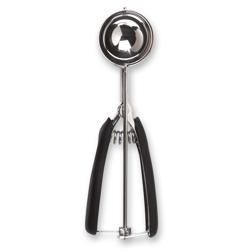
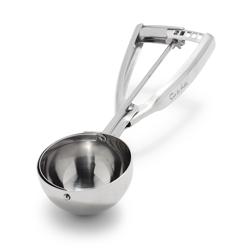
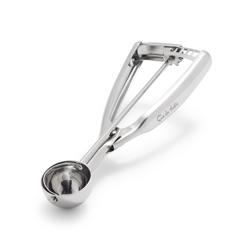
A large stainless steel cookie dough scoop with an ergonomic comfort-grip handle for easy baking.
Pros: ease of use, durable, easy to clean
-
(6)
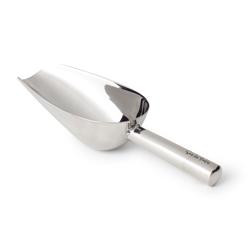
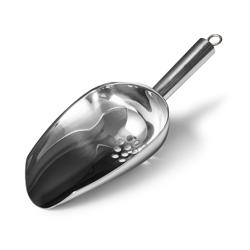
A sleek silver stainless steel scoop with interior measurement markings for easy and efficient food handling.
Pros: functions as predicted, nice weight, stainless steel material
-
(5)
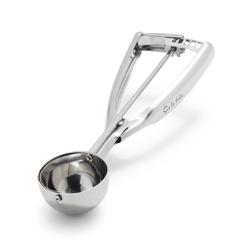
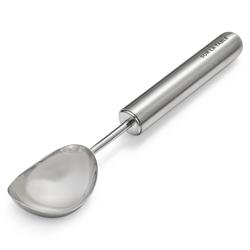
A durable stainless steel scoop with a curved head for smooth, uniform scoops of ice cream and other treats.
Pros: sturdy, easy to use, works great for cookies
-
(5)
A durable stainless steel scoop with a curved head for smooth ice cream scooping and baking tasks.
Pros: batter releases easily, price, consistency
-
(2)
A durable stainless steel scoop with a curved head for smooth, uniform scoops of ice cream and other treats.
Pros: good consistency, works great
-
(8)
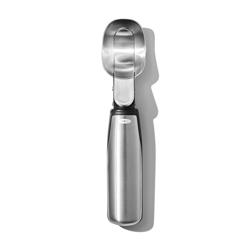
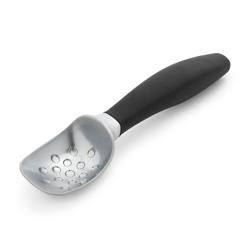
A silver stainless steel ice cream scoop with a curved head and comfortable grip handle.
Pros: sturdy, love it, ergonomic
-
(1)
A silver stainless steel ice cream scoop with a pop-up lever for easy scooping and a non-slip grip.
Pros: works well
-
(1)
A stainless steel ice scoop with perforations that drain meltwater, perfect for any home bar.
Pros: size, design
-
(1)
A comfortable grip ice cream scoop with nonstick qualities for mess-free scooping.
Pros: excellent performance
-
(32)
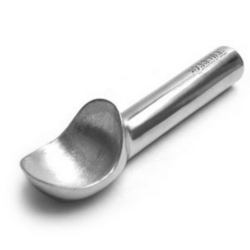
A revolutionary ice cream scoop with a high-lustre aluminum design and a handle filled with defrosting fluid.
Pros: scoop functionality
-
(5)
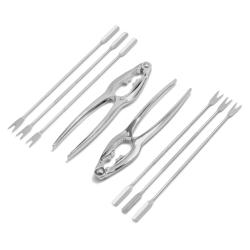
A silver seafood kit with crackers and picks for efficiently cracking and scooping meat from crustaceans.
Pros: love it, good price, variety
Metal Scoops
Upgrade your kitchen essentials with our versatile metal scoops. Crafted from durable and food-safe metal, these scoops are perfect for various tasks, from measuring ingredients to serving snacks or ice. With their ergonomic design and comfortable grip, they make scooping effortless and precise. Experience convenience and efficiency in your culinary adventures with our reliable metal scoops.
Metal Scoops
FAQ List
Metal scoops are used for measuring and scooping dry ingredients such as flour, sugar, and spices. They are also ideal for portion control and can be used for scooping ice cream or other desserts.
Metal scoops are typically made from stainless steel, which is durable and easy to clean.
The size of the metal scoop you choose will depend on the task you are using it for. A larger scoop is ideal for measuring flour or sugar, while a smaller scoop is perfect for spices or herbs.
Most metal scoops are dishwasher safe, but it's always best to check the manufacturer's instructions before putting them in the dishwasher.
Yes, metal scoops can be used for non-food items such as pet food or birdseed. However, it's important to clean the scoop thoroughly before using it for food again.


-
"I use it to make cookies, works great. Ice cream I'm not strong enough to get it through"
-
"It's great for fruit and veggies, easily rinses clean, and if I put it in the dishwasher, there's no"
-
"I use it to make cookies, works great. Ice cream I'm not strong enough to get it through"
-
"Great large scoop"
-
"When I used this one, it was the best"