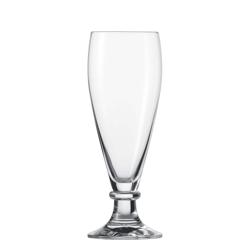
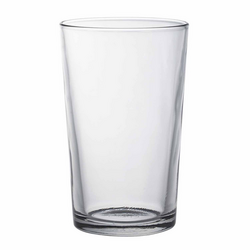
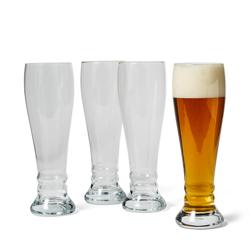
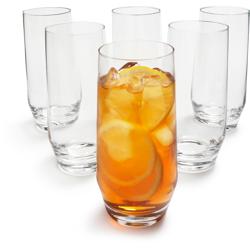
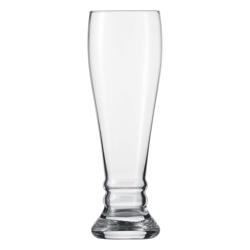
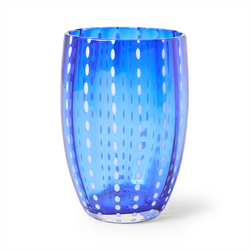
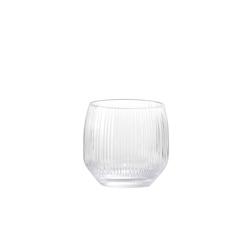
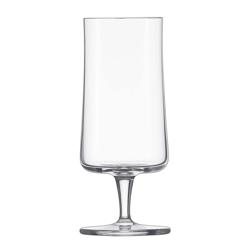
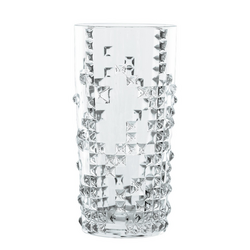
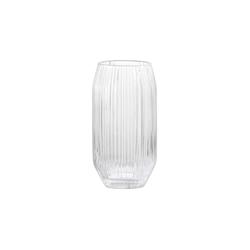
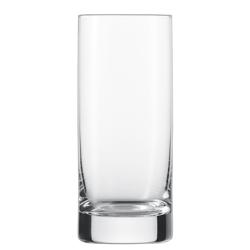
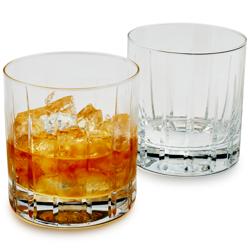
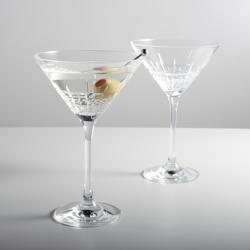
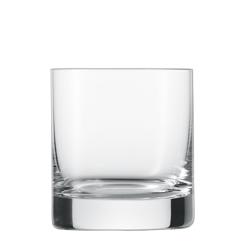
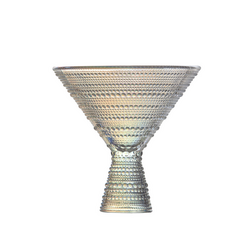
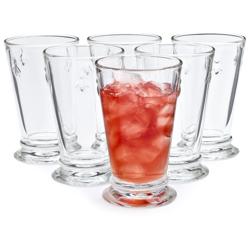
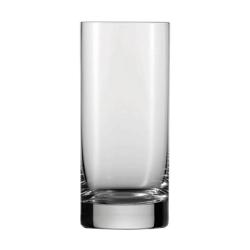
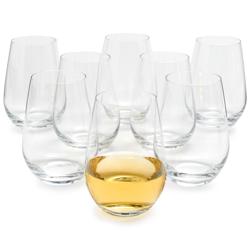
Modern beer glasses bring clean lines and thoughtful proportions to a drink that can be as casual or considered as the occasion calls for. Their appeal starts with the way they look on the table: clear bowls that show off a golden lager or deep amber ale, simple silhouettes that sit comfortably beside everyday dinnerware and rims that feel pleasant with every sip. Yet good beer glassware does more than complement a place setting. Shape influences how aromas gather above the beer, how the head develops during pouring and how easily the glass rests in the hand. A gently tapered opening can concentrate aroma, while a broader bowl leaves room to swirl a small pour and appreciate its character. Tall, narrow shapes emphasize the rising bubbles of crisp, lively beers, and rounded forms give fragrant ales space to open up. These differences make modern beer glasses useful for everyone from the occasional lager drinker to the home enthusiast who enjoys comparing a familiar favorite with a new brewery discovery. Modern styling does not have to mean unusual angles or oversized proportions, either. Often, the most versatile designs are straightforward, with balanced bases, uncluttered surfaces and enough detail to feel distinctive without dominating the table. Picture a pair beside burgers and oven fries, a few arranged around a cheese board or matching glasses giving a pizza night a more finished feel. The same understated shapes can work with stoneware plates, linen napkins or a simple tray of snacks. For a softer silhouette or a more dressed-up place setting,
elegant beer glasses offer another direction to explore. Whether the preference is streamlined and substantial or light and gently curved, the most satisfying choice is one that suits both the beer being poured and the way it will be enjoyed.
Material, weight and capacity all shape the everyday experience of using beer glasses. Clear glass offers an unobstructed view of color and clarity, letting everything from a pale pilsner to an opaque stout become part of the presentation. Lead-free crystal can offer exceptional clarity and a finely finished feel, though neither the material name nor a delicate appearance tells the whole story about durability. Construction, rim thickness and the maker’s care recommendations matter just as much. A thinner rim may feel especially comfortable against the lips, while a more substantial glass can feel reassuring in the hand during relaxed meals and frequent entertaining. A thicker base adds weight at the bottom, but overall balance depends on the entire shape, particularly when the glass is full. Fit is personal: a broad bowl may feel natural in a larger hand, while a narrower body can be easier for someone who prefers a lighter grip. Stemmed designs provide a place to hold the glass without wrapping a hand around the bowl, while stemless shapes often suit everyday settings and shorter cabinet shelves. Capacity deserves similar attention. A glass intended for a full bottle or can should leave space above the beer for its foam rather than requiring a pour right to the edge. A stated capacity generally describes the vessel’s total volume, not a serving size with room for a head. Smaller glasses make sense for measured tasting pours, shared bottles or occasions when guests want to sample more than one style. Larger formats can accommodate a generous head, but they should still feel comfortable to lift and set down. The dimensions also need to work beyond the table. Tall glasses require shelf clearance, wide bowls take up more cabinet space and dishwasher racks need enough room to keep rims from touching neighboring dishes. A well-chosen shape feels easy to reach for, carry and put away.
Care and intended use help distinguish glassware that looks appealing from glassware that fits comfortably into a household. For frequent use, dishwasher-safe beer glasses can simplify cleanup, provided the manufacturer’s instructions allow machine washing and the glasses fit securely without knocking together. More delicate shapes, fine rims or decorative finishes may call for hand-washing. A soft sponge, mild detergent and thorough rinsing help remove residue without scratching the surface; beer foam is especially sensitive to oils and lingering residue, so a clean glass matters for presentation as well as taste. Letting glasses dry fully before storing them helps keep the cabinet fresh, while a clean, lint-free cloth can take care of visible water spots. Even sturdy glassware benefits from careful handling. Ice should not be dropped into delicate empty glasses, sudden temperature changes can cause breakage and tightly nesting glasses that are not designed to stack can lead to chips or stuck rims. Durability is also about choosing a shape appropriate to the setting. A stable base and comfortable weight are practical for a busy dinner table, while a slender stem may be better suited to seated tasting and more deliberate handling. For entertaining, a coordinated set creates a cohesive look without requiring an elaborate table arrangement. A mix of shapes can be equally useful when the household enjoys several beer styles, especially if the glasses share a similar visual weight or simple finish. Modern beer glassware also makes a thoughtful gift for a housewarming, wedding or host who enjoys serving drinks with the same care as the meal. The best fit depends less on how extensive someone’s beer knowledge is than on their habits: compact glasses for a small apartment, versatile everyday shapes for regular get-togethers or tasting-friendly bowls for someone who likes discussing aroma and flavor. These glasses need not be reserved for special pours, either. Many simple forms feel just as natural holding sparkling water or a nonalcoholic beer alongside dinner. That flexibility is part of the appeal of modern design: glassware with a clear purpose, a comfortable feel and a place in everyday life.