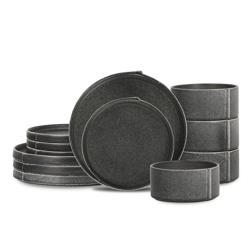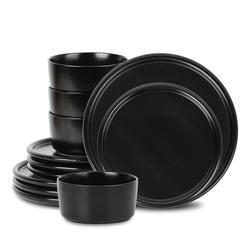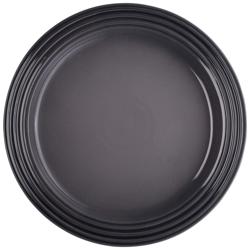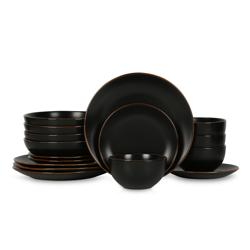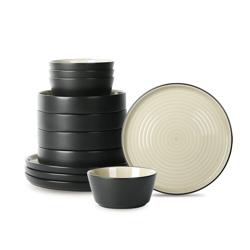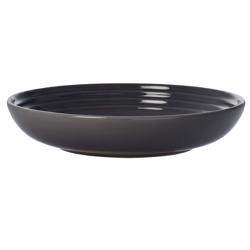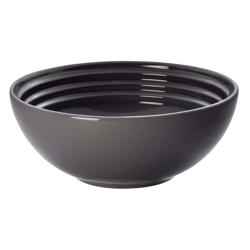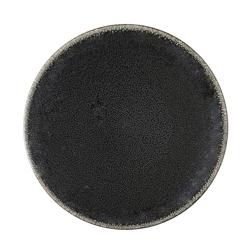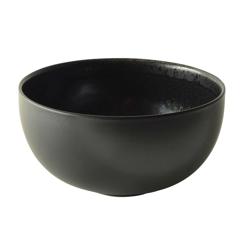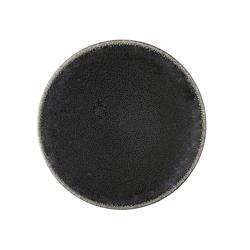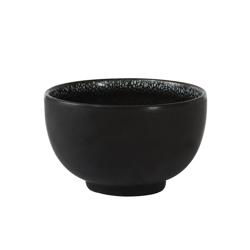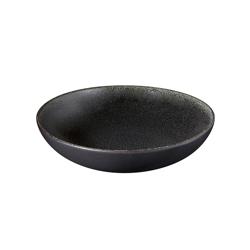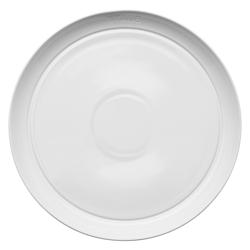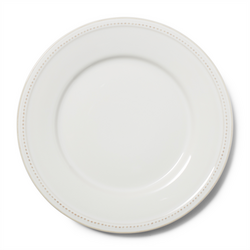
Modern black dinnerware sets bring a clean, contemporary look to the table through dark finishes, simple shapes and coordinated place settings. Black creates a striking background for food: a spoonful of creamy risotto, sliced tomatoes or a salad scattered with herbs stands out without elaborate table decoration. The effect can feel relaxed or dressy depending on the finish and the pieces around it. Matte black dinnerware has a soft, understated appearance, while glossy black reflects light and gives a place setting more definition. Textured glazes, gently curved edges and subtle variations in color can keep an all-black table from feeling too uniform. A matte surface may also show fingerprints or utensil marks more readily, so appearance and upkeep are worth considering together. Shape matters just as much as color. Round plates with softly sloped rims create a different impression from angular plates or shallow bowls with straight sides. A raised rim can help contain sauces, while a broad, flat center gives food more room to spread out. For everyday meals, comfortable proportions often matter more than a dramatic silhouette. Materials influence that experience, too. Stoneware and porcelain are both types of ceramic, but their weight, thickness and finish can differ considerably. Stoneware often has a substantial feel that suits casual meals, while porcelain can offer a thinner profile without necessarily sacrificing strength. Earthenware may have a more porous body and different care requirements, making the maker’s instructions especially important. No material name alone guarantees that a set is dishwasher safe, microwave safe or resistant to chipping. The glaze, construction and intended use all play a part. A black glaze also does not change the basic qualities of the material beneath it. For a table used every day, the most useful combination is a finish that suits your style, a weight that feels comfortable in hand and care requirements that fit your routine.
The right set should fit both the number of people at the table and the meals served there. Piece count and place-setting count are not interchangeable: a set of 16 may provide four place settings with four pieces each, rather than service for 16 people. Looking closely at the contents helps avoid ending up with more mugs than needed or too few bowls for the way a household eats. Dinner plates and smaller plates cover many meals, but bowl shape can make a noticeable difference in daily use. A deep bowl is useful for cereal or soup, while a wide, shallow bowl gives pasta, grain bowls and saucy dishes room to settle without crowding. Households that often serve one-bowl meals may place more importance on bowl proportions than on matching cups. For shared dinners, a little space between the food and the edge of the plate makes passing, serving and eating more comfortable. Plate diameter is only part of the fit; the size of the eating surface matters, especially when a design has a wide rim. A large plate can also crowd a narrow dining table once glasses, flatware and serving dishes are in place. Cabinet depth, shelf height and dishwasher rack spacing deserve the same attention. Broad rims or unusually tall bowls may need more storage room, and pieces that nest neatly can be easier to put away in a compact kitchen. Check that frequently used plates will fit the microwave turntable if reheating is part of the routine. Weight is another practical consideration for anyone who carries several plates at once or prefers dishes that are easy to lift. Modern black dinnerware can work equally well for a first apartment, a busy family kitchen or a dining room used for entertaining, but the most successful choice reflects actual habits. A set that handles breakfast, leftovers and a relaxed dinner with friends earns its place through everyday usefulness as much as appearance.
Care helps preserve the finish and makes black dinnerware easier to enjoy over time. Follow the manufacturer’s instructions for washing, reheating and any oven use rather than assuming that all ceramic dishes tolerate the same conditions. Dishwasher-safe pieces should have enough space between them to avoid knocking together during the wash cycle. For hand-washing, mild dish soap and a soft sponge are a sensible starting point, followed by thorough drying when water spots are noticeable. Pale gray lines left by flatware can sometimes be metal transfer rather than scratches in the glaze. A cleaner specifically approved by the dinnerware manufacturer may help remove those marks; abrasive pads or aggressive scrubbing can damage some finishes. Metallic decoration requires particular attention because it can affect microwave suitability and care. Avoid sudden temperature changes, such as moving a hot dish directly onto a cold, wet surface, and protect rims from bumps when loading or stacking. Even durable dinnerware can chip when edges strike a sink or another plate. Beyond care, black is an easy color to work into an existing table setting. White linens create a crisp contrast, natural wood adds warmth and clear drinking glasses keep the arrangement visually light. Black does not have to match every serving piece to look intentional; repeating a rounded shape or a similar glaze can connect different dishes. Explore
Modern Dinnerware Sets for complementary styles when building a table around more than one color. A coordinated black set can also make a thoughtful wedding or housewarming gift, particularly for someone who prefers simple table settings and contemporary design. For gifting, consider the recipient’s storage space, household size and willingness to hand-wash before choosing decorative details. Whether used for a quick lunch or a carefully prepared dinner, the appeal comes from the balance of distinctive style and practical comfort: dishes that frame the food beautifully and feel right in everyday use.