-
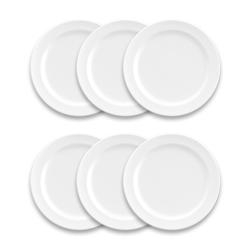
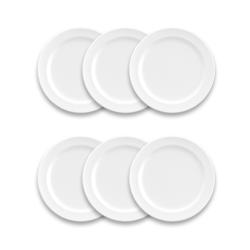
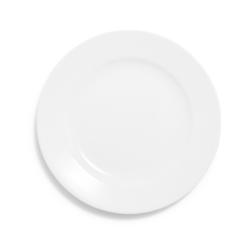
A set of six white melamine dinner plates featuring clean lines, matte finish, and modern style.
-
(1)
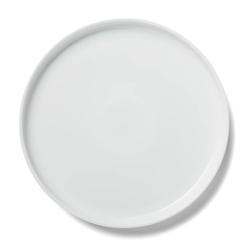
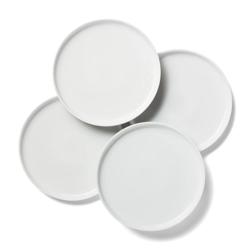
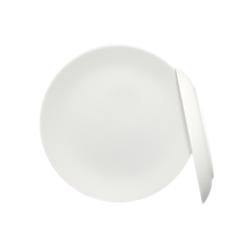
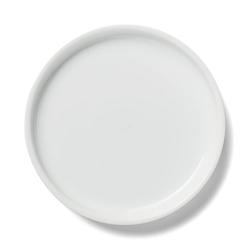
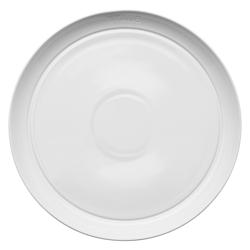
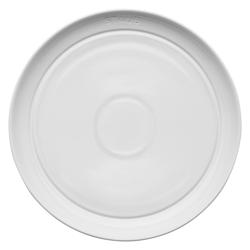
A modern white porcelain plate featuring clean lines and a stackable, convenient design for everyday dining.
-
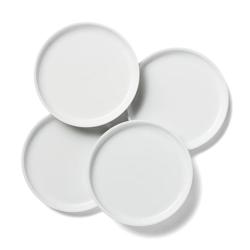
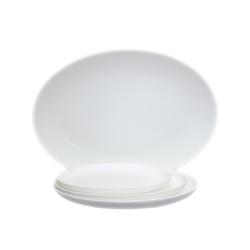
A set of white porcelain plates featuring clean lines and a modern coupe silhouette for versatile dining.
-
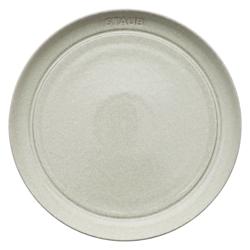
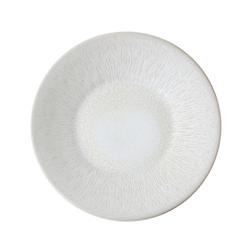
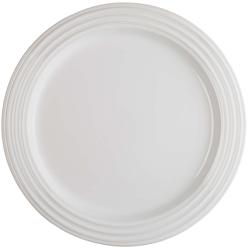
A durable stoneware dinner plate featuring a Cloud White reactive glaze and clean, modern design.
-
(1)
A set of 4 modern and minimalist bone china bread plates in a luminous white color.
-
A set of white melamine salad plates offering stoneware style with lightweight, dishwasher-safe convenience.
-
A set of 4 durable stoneware dinner plates in a vibrant white color, resistant to stains and scratches.
-
(58)
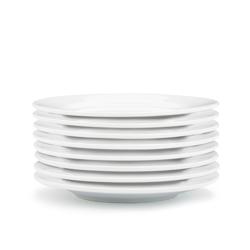
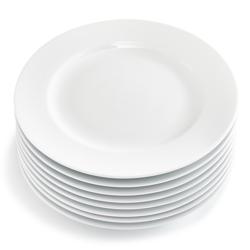
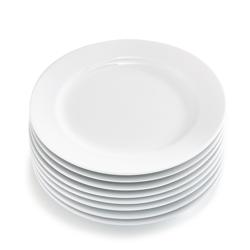
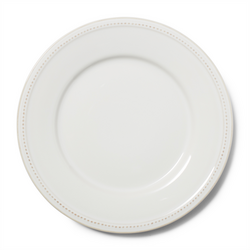
A set of 8 white porcelain dinner plates that are simple, stylish, and versatile for any occasion.
-
(42)
A simple and stylish white appetizer plate that showcases your culinary creations in a modern way.
-
(12)
A modern white stoneware side plate that elegantly showcases your culinary creations.
-
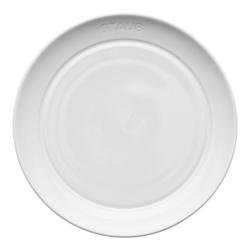
A modern white porcelain plate designed for serving appetizers, snacks, or desserts with effortless style.
-
(1)
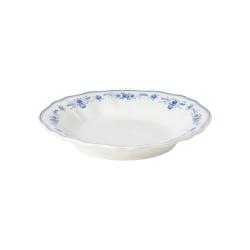
A set of six white stoneware plates featuring delicate floral motifs and blue filet detailing.
-
(102)
A set of 8 white porcelain salad plates that are simple, stylish, and versatile for any occasion.
-
A modern and minimalist bone china platter with a creamy white color and soft translucence.
-
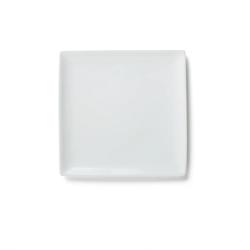
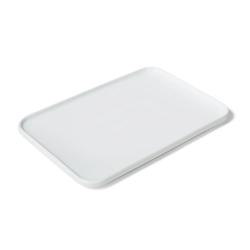
A sleek white porcelain platter featuring clean lines and a modern silhouette for effortless serving.
-
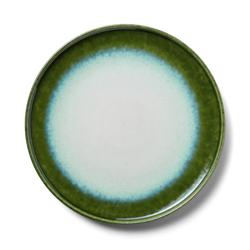
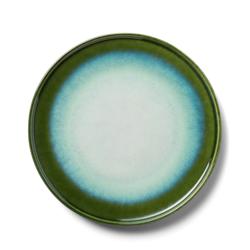
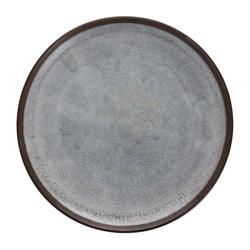
A green ceramic dinner plate featuring a unique reactive glaze for rich color and texture.
-
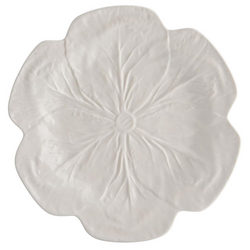
A durable beige dinner plate inspired by cabbage leaves, hand-finished for special occasions.
-
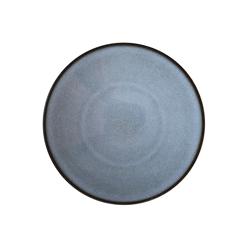
A vibrant blue stoneware plate featuring a graphic circle design and durable French craftsmanship.
-
(9)
A striking set of 4 aurora blue ceramic dinner plates with a dazzling glaze and coupe body.
-
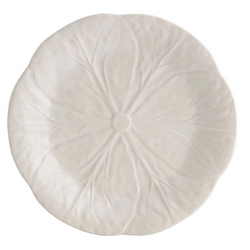
A beautiful, hand-finished dessert plate inspired by cabbage leaves, made from durable earthenware in white and beige.
-
(1)
A handcrafted green ceramic plate featuring a unique reactive glaze for elegant, organic table settings.
-
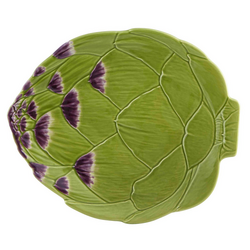
A set of 4 green dinner plates inspired by artichokes, handcrafted in Portugal with durable earthenware construction.
-
(5)
A striking set of 4 blue ceramic appetizer plates with a dazzling glaze and coupe body.
-
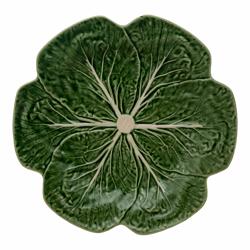
A durable green dinner plate inspired by cabbage leaves, handcrafted in Portugal from earthenware.
Modern Design Plates
Upgrade your dining experience with our collection of modern design plates that seamlessly blend style and functionality. Elevate your table setting with sleek and contemporary plates that are perfect for everyday meals or special occasions. From minimalist designs to bold patterns, our selection offers a variety of options to suit your personal aesthetic. Explore our range of high-quality plates that are not only visually appealing but also durable for long-lasting use.
Sort by:

Modern Design Plates
-
"The dishes are great. I use them all the time"
-
"The dishes are great. I use them all the time"
-
"Great plates"
-
"We love the subtle sage green color, the size, the texture, the durability of these Staub dishes"
-
"Love it! Looks great and very functional"