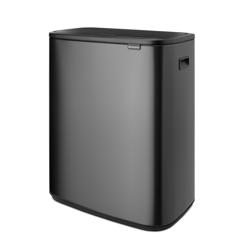
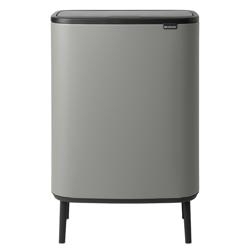
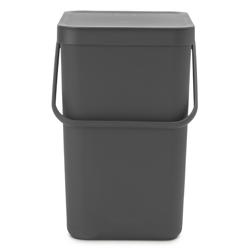
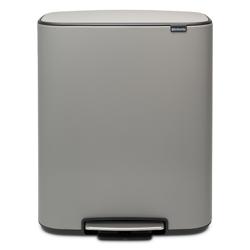
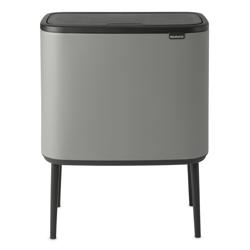
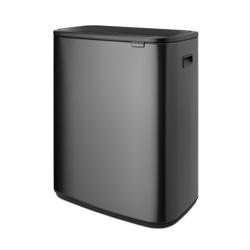
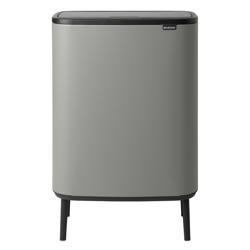
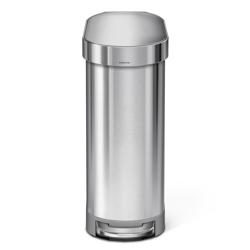
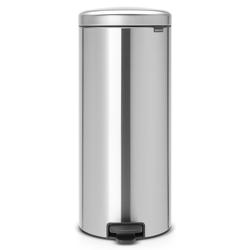
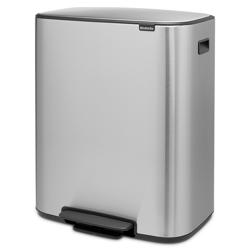
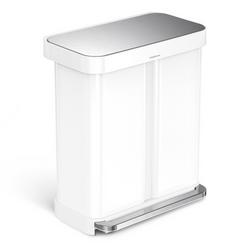
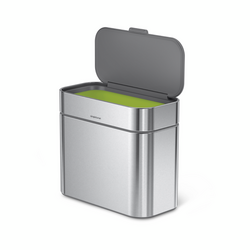
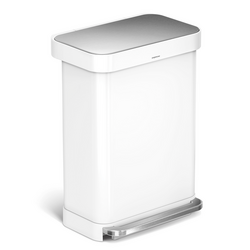
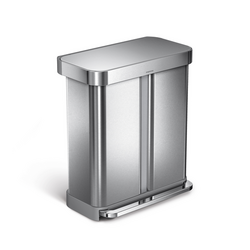
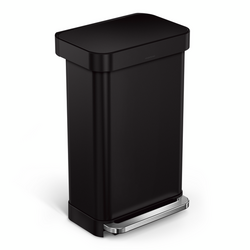
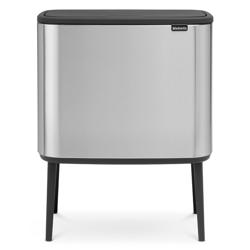
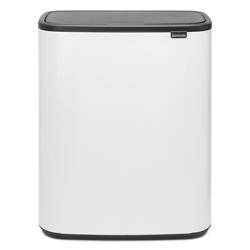
Modern gray waste bins bring a clean, understated look to a hardworking part of the home. Their neutral color sits comfortably alongside white cabinetry, wood shelving, stone countertops and stainless steel appliances without making the trash can a focal point. Gray also offers plenty of range: a pale shade can feel quiet and unobtrusive in a small bathroom, while a deeper charcoal tone can give a kitchen corner a more defined presence. Matte surfaces tend to look subdued, while finishes with a slight sheen can echo nearby hardware or appliances. Shape matters just as much as color. A rectangular bin can sit neatly beside the end of a cabinet, a slim profile can make use of a narrow gap and a round silhouette can soften a room filled with straight edges. The best fit leaves enough room for everyday movement, not just enough space to set the bin down. A lid needs clearance to open beneath a counter, and a pull-out location needs room for both the container and the motion of removing it. In a busy kitchen, easy access from the prep area makes it simpler to discard vegetable trimmings or empty packaging without crossing the room. In an office, a smaller bin beside the desk keeps discarded paper close at hand. Explore
Gray Trash Cans for a coordinated approach to these different spaces, with proportions and functions suited to each room. Matching the color throughout the home can create continuity without requiring every bin to have the same shape, capacity or opening style. That flexibility is especially useful in open layouts, where a kitchen waste bin may be visible from the dining table or living area. A simple outline and a considered finish help this everyday essential feel like part of the room rather than an afterthought.
Materials and construction influence how a waste bin feels in daily use, how easily it cleans and how well it handles its surroundings. Plastic is generally lightweight and easy to move, a practical quality when a bathroom bin needs to be lifted for cleaning or a utility container gets carried to a larger collection point. Metal construction can provide a more substantial feel, though the finish and care requirements deserve attention, particularly around sinks or other places where splashes are common. Stainless steel may have a gray appearance on its own or serve as the base for a colored finish; its resistance to corrosion does not make every surface treatment suitable for abrasive cleaners. Smooth interiors and accessible corners can make routine wiping easier, while a removable inner bucket can simplify emptying and help contain minor spills. Opening style is another everyday consideration. A step pedal lets you lift the lid while holding food packaging or scraping a cutting board, and a sensor-operated lid can offer similar convenience when its power source and placement suit the space. Manual lids keep operation simple, while an open-top bin can be useful for dry paper waste in a home office. A lid can help keep ordinary waste out of sight, but odor control still depends on what goes inside, how often it is emptied and how clean the interior stays. Capacity works best when matched to those habits. A household that cooks frequently may produce bulky packaging and food scraps, while someone living alone may prefer a smaller container that gets emptied more often. The liner matters, too. A bag should reach the bottom without stretching tightly across the rim, and it should lift out without catching on interior edges. Where included, liner-retaining features can help keep the bag from slipping during use. For bins tucked into tight spaces, being able to remove the liner without moving the entire container is a detail worth considering.
A well-chosen waste bin should make cleanup feel straightforward long after its first day in the room. Frequently used parts such as pedals, hinges and handles deserve as much attention as the exterior finish because they take on repeated movement throughout the day. A stable base helps a taller bin stay in place, and a comfortable grip makes a removable bucket easier to carry when full. In homes with children or pets, the opening mechanism and lid closure matter, though a standard household lid should not be assumed to prevent access. Keeping food waste separate from dry recycling can also make daily disposal more manageable, provided each container matches local collection requirements. A pair of bins or a divided design can establish distinct places for trash and recyclables, but compartment capacity is important: a large outer footprint does not always mean there is generous space on each side. Beyond the kitchen, a compact gray bin can support a tidy laundry area, guest bathroom or craft space without introducing another strong color. Care is usually simplest when small messes are addressed before they dry. Follow the manufacturer’s instructions for the specific material and finish, using mild soap and a soft cloth when recommended, then drying the bin thoroughly before replacing the liner. Hinges, lid undersides and the area around the rim can collect residue even when the bag remains intact. Removable components should go in the dishwasher only when explicitly identified as dishwasher safe. Periodically cleaning the floor beneath the bin helps keep the surrounding area fresh as well. For someone setting up a first apartment or settling into a new home, a thoughtfully sized waste bin can be a useful household gift, especially when selected with the recipient’s space in mind. Whether placed beside a kitchen island or under a bathroom vanity, a modern gray waste bin earns its place through a balance of practical access, manageable care and a look that belongs in the room.