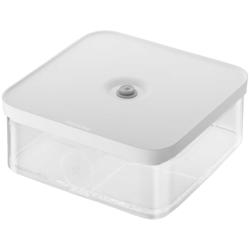
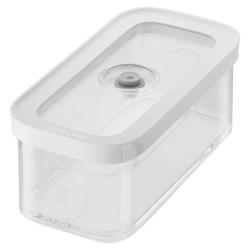
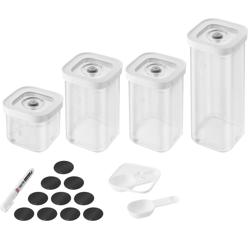
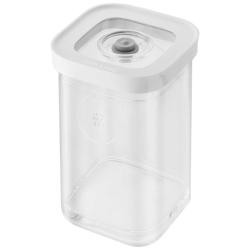
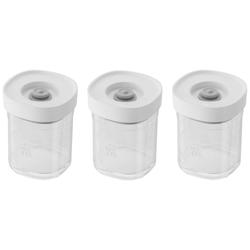
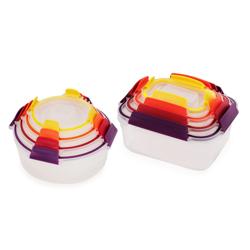
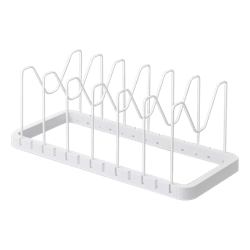
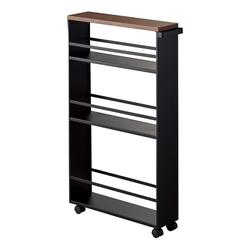
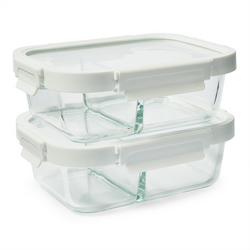
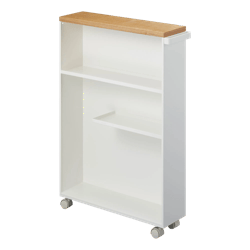
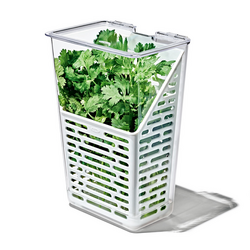
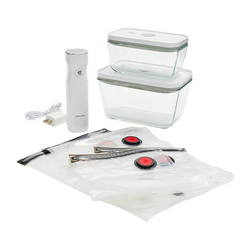
Modular storage combines compatible containers, bins or organizers that can be arranged, stacked or reconfigured to fit your space and what you need to store. In the kitchen, that flexibility helps turn a crowded pantry, a deep drawer or a busy countertop into a place where everyday essentials are easier to find and put away. Rather than treating every shelf as one large space, modular kitchen storage creates smaller, purposeful areas for ingredients, utensils and cooking supplies. A group of containers can keep baking staples together, while open organizers give snack bags and small packets a defined home. Drawer compartments separate measuring tools from serving utensils, so reaching for a teaspoon does not mean searching beneath a whisk. The most useful arrangement reflects the way you cook: frequently used ingredients within easy reach, occasional baking supplies grouped together and heavier contents on lower shelves. Fit matters as much as capacity. Usable cabinet space can be narrower than the opening suggests once hinges, shelf supports and door clearance are taken into account. In drawers, the height of an organizer and its contents needs to leave enough room for the drawer to close freely. On pantry shelves, a container should be easy to lift out without scraping the shelf above it or requiring several other containers to move first. Square and rectangular shapes often make efficient use of straight-sided shelves, although the footprint alone does not tell the whole story. Handles, lids and projecting rims also take up room. Compatible stacking shapes can help use vertical space, but a stack is only practical when it stays stable and the contents remain accessible. Modular does not necessarily mean universally interchangeable; components from different systems may not connect or stack securely. A well-chosen arrangement leaves room for everyday movement, whether that means scooping flour, returning a bottle of oil or pulling out everything needed for breakfast in one trip. The result is less about creating a perfectly uniform shelf and more about giving the things you use a sensible place to land.
Materials and construction shape how modular storage looks, feels and holds up to daily use. Clear plastic offers a lightweight way to see contents at a glance, which is helpful on higher shelves or when several people share a kitchen. Glass provides visibility and generally resists odors and staining, though its added weight deserves consideration when containers will be lifted often or stacked. Metal can be well suited to durable organizers, while wood and bamboo bring a warmer appearance to drawers and open shelving. The right material depends on the job, and any surface that will touch unpackaged food should be intended for food contact. Dry ingredient storage also calls for a different set of features than an open bin holding wrapped snacks. Where a container is designed with an airtight seal, a properly fitted lid can help limit exposure to air and moisture; a stacking lid alone does not establish that a container is airtight. For flour, rice and other frequently scooped ingredients, an opening wide enough for the utensil you use can make daily cooking more comfortable. Smaller portions may be easier to pour, while bulk quantities need both adequate capacity and a manageable lifting weight. Capacity measurements are useful, but the shape and density of the contents affect how much will fit. Labels can distinguish similar-looking ingredients, and keeping preparation directions, allergen information and best-by dates with transferred foods preserves details that are easy to lose when packaging is discarded. Care requirements deserve equal attention. Dishwasher-safe components can simplify cleanup, but lids, seals and bases may have different instructions. Hand-washing may be recommended for certain finishes or materials, and all parts should dry thoroughly before reassembly or refilling. Wood and bamboo generally benefit from limited moisture exposure rather than soaking. Temperature limits also vary, so pantry storage should not be assumed suitable for a microwave or freezer. Smooth edges, secure connections and removable parts that can be cleaned thoroughly are useful details when judging whether an organizer will stand up to repeated use.
The appeal of modular storage is that an arrangement can change without requiring the entire space to be reorganized from scratch. A household that cooks most nights may devote more room to grains, beans and spices, while an enthusiastic baker may need accessible storage for decorating supplies and measuring tools. In a small apartment, a compact arrangement can make a single cabinet work harder without spreading supplies across the counter. In a shared kitchen, clearly defined sections help different people find what they need and return it to the same place. Families may find it useful to keep everyday snacks within reach while reserving higher shelves for supplies handled by adults. Open bins make sense for frequently retrieved packages, while covered containers offer a more enclosed home for suitable contents. Neither approach needs to fill every inch. A little clearance around an organizer makes it easier to grip, remove and clean, and leaving some flexibility accommodates a taller package or a change in cooking habits. Comfortable handles, lids that are easy to operate and compartments that suit the tools inside can matter more than a perfectly matching appearance. For visible storage, repeated shapes or coordinated materials can create a cohesive look without requiring every container to be identical. These practical qualities also make modular organizers a thoughtful housewarming gift or a useful choice for someone setting up a first kitchen, particularly when the pieces can serve more than one purpose. Measurements and care preferences still matter when choosing storage for another household. For organization beyond the pantry or utensil drawer, explore
Home Storage Solutions for related ways to bring order to everyday spaces. Whether the goal is a clearer counter, a more workable cabinet or ingredients that are easier to keep track of, modular storage works best when its shape, material and layout support the routines already happening in your home.