-
(32)
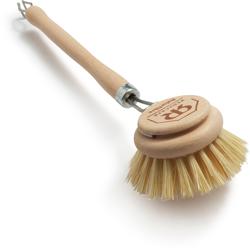
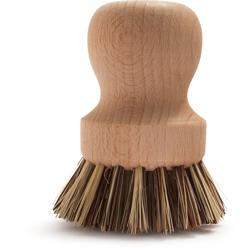
A 10" dish brush with hard bristles, made of natural-fiber bristles, zinc-coated metal wire, and beech wood.
Pros: effective cleaning, durable, quality
-
(765)
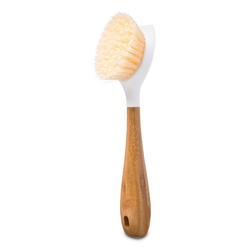
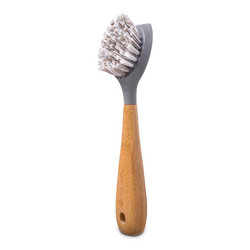
A brown dish brush made from recycled bamboo and plastic, with gentle bristles and a built-in scraper.
Pros: effective cleaning, durable, sturdy
-
(21)
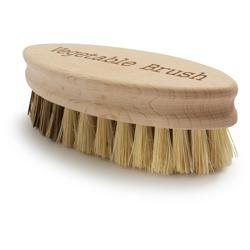
A multi-purpose vegetable brush with soft and stiff bristles, made of durable beechwood and natural fibers.
Pros: easy to use, effective cleaning, well made
-
(20)
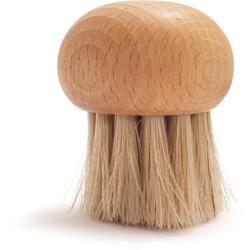
A soft-bristled brush made of durable beechwood and natural fibers for gently cleaning mushrooms and vegetables.
-
(16)
A durable beechwood pot brush with densely packed natural fibers for reaching edges, handcrafted in Germany.
Pros: effective cleaning, quality, durable
-
(1442)
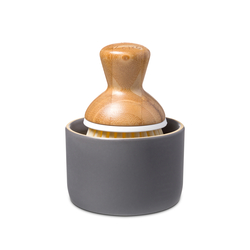
A sustainable bamboo scrub brush with a foam-generating ceramic base and recycled plastic bristles.
Pros: easy to use, cute design, functional
-
(37)
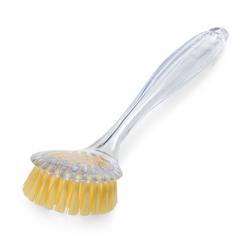
A bright lemon-colored dish scrubber brush with contoured handles and durable bristles for easy cleaning.
Pros: durable, effectiveness, color
Natural Dish Brush
Keeping your dishes clean and sparkling is a breeze with the help of a natural dish brush. Made from sustainable materials, these eco-friendly brushes are designed to effectively remove stubborn food residues while being gentle on your cookware. With their natural bristles and ergonomic handles, these brushes provide a comfortable grip and ensure a thorough clean every time. Say goodbye to plastic and hello to a more sustainable way of washing dishes with a natural dish brush.
Natural Dish Brush
FAQ List
It is recommended to replace your Natural Dish Brush every 3-6 months, or when you notice the bristles becoming frayed or worn. This ensures optimal cleaning performance and hygiene.
Yes, our Natural Dish Brushes are safe to use on non-stick cookware. The gentle bristles and natural materials will not scratch or damage the surface of your pans.
Yes, the handles of our Natural Dish Brushes are designed to be water-resistant. They are made from bamboo, which naturally repels water and helps prevent mold or mildew growth.
Absolutely! While Natural Dish Brushes are primarily designed for dishwashing, they can also be used for cleaning other household items such as countertops, cutting boards, and even vegetables.
Yes, the bristles of our Natural Dish Brushes are made from biodegradable materials such as coconut fibers and natural bristles, making them compostable. Simply remove the bristles before composting.
-
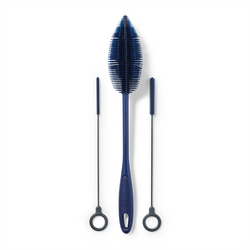
"Best Flexible straw and bottle brush set"
-
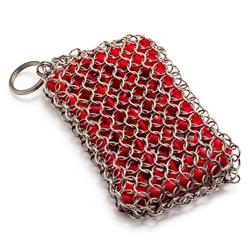
"Love this cleaning tool. It is great for cleaning my cast-iron pans"
-
"I bought these today and absolutely love them! They are easy to store and clean well"
-
"Best brush, it holds up so well, scrubs great"
-
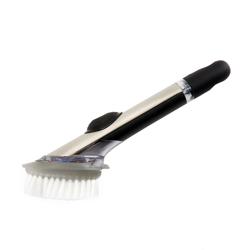
"The hand held one has a little softer bristles and great for normal washing on pans"