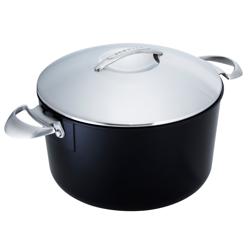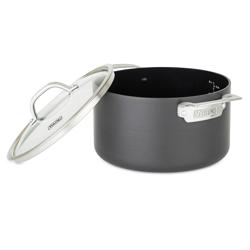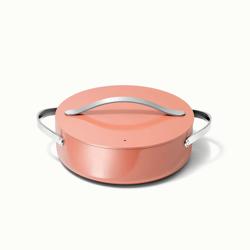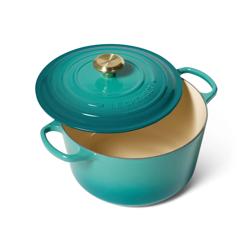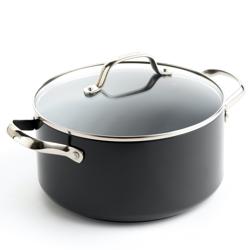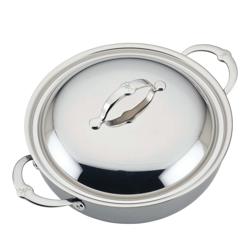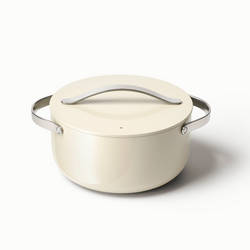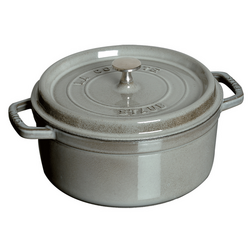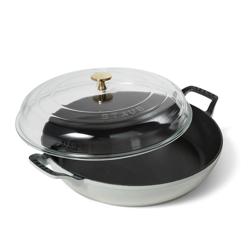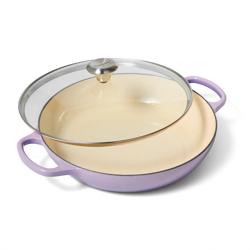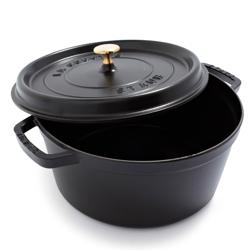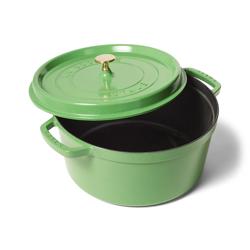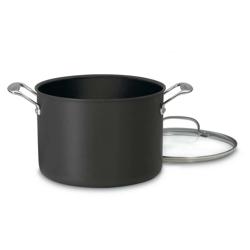
Nonstick Dutch ovens for meal prep make it easier to cook large batches of soups, stews, beans and grains with less sticking and simpler cleanup. Their deep sides hold generous portions, while a fitted lid helps retain moisture during gentle simmering and braising. For anyone who likes to prepare several meals in one cooking session, that combination means fewer pans to manage and a useful starting point for lunches and dinners. A pot of shredded chicken can become rice bowls, taco fillings and a quick soup; a batch of lentils can anchor grain salads or become a hearty side. The nonstick cooking surface is especially helpful with foods that tend to cling, such as rice, thick tomato sauces and creamy bean mixtures, though stirring and appropriate heat still matter. A coating helps food release; it does not prevent burning if the heat is too high or the liquid cooks away. Compared with a shallow skillet, a Dutch oven offers more room for folding greens into beans, stirring pasta into sauce or adding broth without splashing over the rim. Compared with a tall stockpot, its typically broader cooking surface gives ingredients more contact with the base, which can be useful when softening onions or cooking vegetables before adding liquid. An oven-safe model can also move from the stovetop to the oven for covered dishes, provided the pot, lid and handles are all rated for the intended temperature. These are practical everyday pieces for busy households, couples cooking ahead and anyone who wants homemade meals without starting from scratch each evening. Their appeal is less about an elaborate recipe than a repeatable routine: cook a flexible base, portion it for different meals and spend less time scrubbing afterward. Even a simple pot of chickpeas with garlic and herbs can supply several meals with different sauces, vegetables and grains.
Material, capacity and shape all influence how a nonstick Dutch oven fits that routine. Aluminum bodies are generally lighter than cast iron and respond readily to changes in burner heat, making them easier to handle when cooking and cleaning. Hard anodized aluminum provides a hardened base material, but the durability of the nonstick cooking surface still depends on its coating and care. Ceramic nonstick and other nonstick coatings have different use requirements, so material descriptions are worth comparing rather than treating every finish as interchangeable. Enameled cast iron is a separate category: its enamel surface should not be assumed to offer the same easy release as a purpose-made nonstick coating. Capacity matters just as much as construction. A smaller Dutch oven can suit a compact kitchen or a few prepared portions, while a larger vessel offers space for family meals and extra servings to freeze. A capacity around 5 to 7 quarts can be a useful starting point for batch cooking, but the best fit depends on the recipes, portion sizes and storage space involved. Leave room above the food for stirring and simmering rather than planning to fill the pot to its stated capacity. A broad base is helpful for cooking chopped vegetables in an even layer; a deeper shape can accommodate brothy dishes without taking up as much stovetop space. Neither shape eliminates the need to brown ingredients in batches when the base becomes crowded. Comfortable side handles make a difference when a pot is full, particularly when moving it with oven mitts. A glass lid lets you check progress without lifting it, while any well-fitting lid helps limit evaporation during longer cooking. Check burner compatibility, too: aluminum cookware needs an induction-compatible base to work on an induction cooktop. The pot’s footprint should fit the burner, and its full dimensions, including the handles, should work with your oven, sink and cabinet space.
The most useful nonstick Dutch oven is one that matches both the meals you make and the care you are comfortable giving it. Low to medium heat is often appropriate for nonstick cooking, with the manufacturer’s instructions setting the limits for preheating, stovetop use and oven temperatures. An oven-safe pot does not necessarily have a lid with the same heat rating, and oven safety does not automatically mean broiler safety. For vegetable-based meal prep, an oven-compatible design can handle dishes such as covered cauliflower with spices or tender carrots finished uncovered, within the cookware’s stated limits. Related
nonstick Dutch ovens for roasting vegetables offer another way to think about the same versatile shape, especially when vegetables are the foundation of several prepared meals. Give vegetables enough space if browning is the goal; a crowded, covered pot traps moisture and encourages steaming instead. For everyday use, silicone or wooden utensils are a gentle choice unless the care instructions expressly allow other materials. Hand-washing with a soft sponge and mild dish soap is often the preferred approach, even when a piece is labeled dishwasher safe, because repeated dishwasher exposure may shorten a coating’s useful life. Let the cookware cool before washing, avoid abrasive cleaners and use a protective layer if nesting other cookware inside it. Nonstick surfaces wear with use, so realistic expectations and careful handling matter more than promises of a permanently slick finish. Meal prep also works best when cooking and storage are treated as separate steps: transfer finished food into shallow storage containers for prompt cooling and refrigerate perishable meals within two hours rather than leaving a full Dutch oven on the counter to cool. Portioning makes it easier to set aside lunches and freeze servings that will not be eaten soon. For a new household, a frequent batch cook or someone building confidence with one-pot meals, a thoughtfully chosen nonstick Dutch oven can also be a useful gift. A manageable weight, suitable capacity and straightforward care requirements help make it a piece that earns regular use.