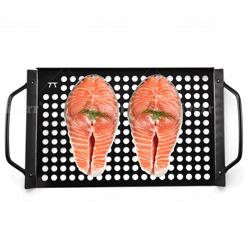
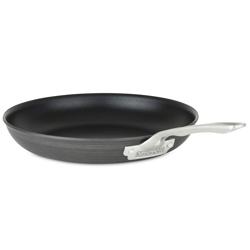
Nonstick helpers are the everyday tools that make coated cookware easier to use and easier to care for. This assortment can include soft silicone or nylon turners, spoons, ladles, whisks, pan scrapers, pot grips and other accessories designed to work gently around nonstick surfaces. The right tools help you flip a delicate omelet without tearing it, fold vegetables through a shallow skillet or lift a piece of fish from the pan without scraping across the coating. They are especially useful for cooks who rely on nonstick frying pans for eggs, pancakes, grilled cheese, sautéed vegetables and other foods that benefit from easy release. They also make thoughtful gifts for college students setting up a first kitchen, newlyweds, frequent hosts and anyone replacing a collection of worn-out utensils. When choosing nonstick helpers, look for smooth, flexible heads with no exposed metal edges, seams or rough sections that could scratch the cooking surface. Silicone is a popular choice for its flexibility and comfortable grip, while nylon is lightweight and firm enough for turning food and serving from a skillet. A tool with a thin, angled edge can slide beneath pancakes or delicate fillets, while a wider turner offers better support for burgers, roasted vegetables or larger portions. Slotted spoons allow excess oil or sauce to drain, and ladles are useful for soups, stews and sauces prepared in nonstick Dutch ovens or saucepans. A balanced handle matters, too. Utensils should feel secure when your hands are wet or when you are working over a warm pan, and a hanging loop or compact shape can make storage easier in a crowded kitchen. For a broader selection of practical pieces, explore
Nonstick Cookware Accessories.
The best nonstick tools protect both the pan and the food you are preparing. Metal spatulas, forks, knives and whisks can leave scratches in a coated surface, even when used with a light touch, so soft-headed utensils are the safer everyday choice. Heat resistance is another important consideration. Check the manufacturer’s guidance for each tool and keep silicone or nylon heads away from direct flame, hot burners and the edge of a pan where they may soften or scorch. Nonstick cookware generally performs best over low to medium heat. High heat can damage the coating over time, discolor the pan or cause food and oils to burn before they are ready. A gentle approach also gives you more control when making foods that need close attention, such as custards, melted chocolate, scrambled eggs or a pan sauce. Pan scrapers are helpful after cooking, particularly for clearing browned bits or a thin layer of stuck-on food without reaching for a knife or abrasive pad. Choose a scraper made from a nonscratch material with a comfortable edge that can reach into corners while remaining gentle on the coating. Pot grips and silicone pinch handles add another layer of convenience when moving a warm skillet, lifting a saucepan lid or steadying a pan while you pour. They should fit securely and be used according to their heat rating, since a small grip is not a substitute for a full oven mitt when handling cookware from a hot oven. Trivets and heat-resistant rests are also useful for protecting counters and tables when a pan moves from stovetop to serving area. Together, these simple pieces help create a smoother cooking rhythm—utensil at hand, pan protected and fewer interruptions while dinner comes together.
Good care keeps nonstick helpers ready for the next meal. Let cookware cool slightly before washing, then use warm water, mild dish soap and a soft sponge to remove residue. Avoid steel wool, scouring powders, abrasive scrubbers and sharp tools, which can mark both coated cookware and some soft-headed utensils. Whether a utensil is dishwasher safe depends on its materials and construction, so follow the care instructions rather than assuming every silicone or nylon piece can go through a cycle. Allow tools to dry fully before placing them in a drawer, and store turners and scrapers so their edges are not bent beneath heavier items. Nonstick pans should also be stored with care. If pans are stacked, place a soft cloth, paper towel or pan protector between them to help prevent contact and reduce the chance of scratches. Keep utensils clean as you cook, especially when moving from raw ingredients to finished food, and replace any tool that develops cracks, melting, deep cuts or a rough surface. These details are easy to overlook during a busy week, but they make a noticeable difference when the kitchen is working hard through the cooler months, from quick breakfasts before school to simmering dinners and weekend baking. A well-chosen set of nonstick helpers can suit a beginner who is learning basic techniques as well as an experienced cook who wants dependable tools for daily meals. With soft materials, comfortable handles and care instructions that fit your routine, these accessories help nonstick cookware release food cleanly, stay in better shape and remain a pleasure to use.