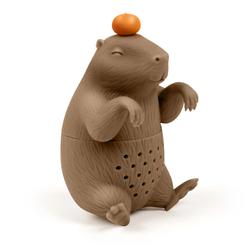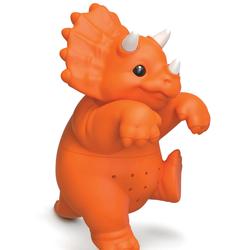
Novelty tea infusers hold loose-leaf tea while adding a playful detail to your cup, combining a practical brewing tool with an unexpected shape or character. Their appeal is easy to understand: a familiar daily ritual feels a little more personal when the infuser reflects a favorite animal, hobby or sense of humor. The best fit balances that personality with enough room for the tea to open as it steeps. Loose leaves absorb water and expand, so a decorative chamber packed tightly with dry tea can limit water circulation and produce uneven extraction. Smaller leaf pieces and compact herbal blends may suit a modest chamber, provided the openings are fine enough to contain them. Large, rolled or full-leaf teas generally benefit from more generous space. Very fine tea particles can slip through larger holes, making opening size just as important as the overall design. Some sediment is normal with loose tea, but a well-matched infuser helps keep most of the leaves out of the finished drink. Food-grade silicone and stainless steel are common materials, each with a different feel. Silicone allows for flexible, expressive shapes and can be comfortable to handle, while stainless steel offers a firmer structure and resistance to corrosion with proper care. Neither material alone determines brewing quality; the chamber size, hole placement and closure all matter. A charming exterior should still allow water to move freely around the leaves. Look for a design that opens without a struggle, closes securely and provides a clear place to grip when it is time to remove it. Those everyday details make the difference between a decoration that occasionally gets used and a useful tea accessory that earns a place beside your favorite mug.
Fit matters beyond the amount of tea an infuser can hold. A design that rests on the rim needs to work with the thickness and shape of your cup, while a hanging style needs enough reach to keep its brewing chamber submerged. A tall mug may leave a short infuser above the water, and a shallow cup may not accommodate a long body comfortably. Think about the cup you actually reach for at breakfast or keep on your desk, rather than choosing by appearance alone. The tea-filled section should sit beneath the waterline without requiring the mug to be filled so high that carrying it becomes awkward. Also consider whether a handle, hook or decorative feature will interfere with drinking or prevent a lid from fitting. For someone who moves between a kitchen counter and a workspace, easy removal and a nearby resting dish are especially useful. Once the infuser comes out, it needs somewhere to drain without leaving tea on a notebook or countertop. Most compact novelty designs make the most sense for a single serving; brewing several cups calls for enough capacity to hold the larger quantity of leaves without crowding them. Follow the tea’s recommended amount, water temperature and steeping time, adjusting to taste rather than assuming every blend needs the same treatment. Boiling water is not the right starting point for every tea, and leaving an infuser in the cup indefinitely can make some varieties bitter or astringent. If a stronger cup is the goal, a little more leaf is often a better adjustment than a much longer steep, as long as the chamber still has room. Remove the infuser carefully, since submerged parts and metal components can be hot. For teas suited to another infusion, keep the used leaves in a clean vessel and brew them again promptly rather than leaving them sitting for an extended period.
Easy cleaning helps a novelty tea infuser remain enjoyable well beyond its first cup. A shape with deep folds, narrow openings or several small parts may take more attention than a simple chamber, particularly when damp leaves settle into corners. Empty the leaves after brewing, once the infuser is safe to handle, and rinse away loose particles before they dry in place. Wash according to the manufacturer’s directions, using a soft brush where needed to reach small holes or seams. Dishwasher safety varies by design, so check the care instructions rather than assuming that every silicone or stainless steel infuser can go in the dishwasher. Mild dish soap and thorough rinsing help prevent lingering flavors, especially when switching between strongly scented blends and more delicate teas. Let all parts dry fully before reassembling or storing them. Over time, inspect flexible attachments for tears, metal seams for damage and closures for a secure fit. A durable infuser should withstand its intended routine, but pulling a narrow decorative piece or forcing a closure can shorten its useful life. That mix of personality and practicality also makes these accessories thoughtful gifts for tea drinkers, coworkers, hosts or anyone setting up a first loose-leaf tea routine. A playful design can feel personal without requiring a detailed knowledge of someone’s kitchen, though knowing their usual mug size and preferred tea makes the choice more useful. For an enthusiastic loose-leaf drinker, prioritize brewing room and easy cleaning alongside the visual appeal. For a beginner, an uncomplicated opening and a secure closure can make the first few cups less fiddly. Pairing an infuser with loose tea, a comfortable mug or a small resting dish creates a gift built around an activity the recipient can enjoy. Explore
Tea Brewing Accessories for complementary tools that support that routine, whether it is a carefully timed morning cup or a relaxed afternoon tea break. The lasting appeal comes from choosing a design that is as pleasant to use as it is to look at.