-
(33)
A quick and easy organic curry meal kit with authentic Thai seasonings and herbs.
Pros: delicious, taste, variety
-
(10)
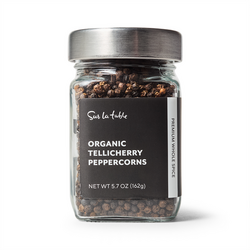
A certified organic pantry staple with intense citrusy, floral aroma that elevates any dish.
Pros: quality, organic, quality product
-
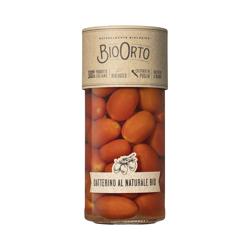
A jar of organic red Datterini tomatoes in water, offering pure, naturally sweet Italian flavor.
-
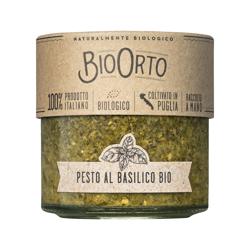
A vibrant green organic pesto made with hand-harvested basil, Parmigiano Reggiano, pine nuts, and extra-virgin olive oil.
-
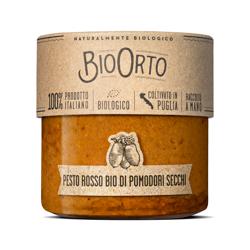
A robust organic red pesto made with sun-dried tomatoes, almonds, basil, and extra virgin olive oil.
-
(1)
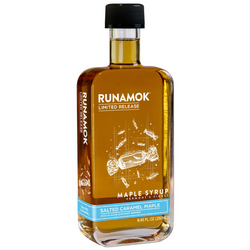
A decadent organic maple syrup infused with rich caramel flavor, perfect for pancakes, flan, and coffee.
Pros: great taste in coffee
-
(5)
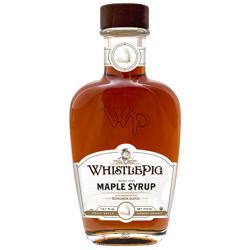
A rich, organic maple syrup aged in WhistlePig rye whiskey barrels, perfect for sweet and savory dishes.
Pros: taste, antioxidants, consistent quality
Organic Kitchen Ingredients
From the pantry to the dinner table, it's easy to get overwhelmed by the number of options when it comes to organic ingredients. But if you're looking to buy more organic foods or just want to be sure your family is eating organically grown foods, here are some of the most common kitchen ingredients that you can buy organic.

Organic Kitchen Ingredients
FAQ List
Organic kitchen ingredients are ingredients that are grown without the use of synthetic pesticides and fertilizers, and are often free from genetically modified organisms (GMOs). They are also typically produced using sustainable farming practices.
Organic kitchen ingredients are a great choice for those who are looking to incorporate healthier options into their diets. They are produced without the use of harmful chemicals and are often locally sourced and produced, which reduces the carbon footprint associated with transportation.
Organic kitchen ingredients can be more expensive than non-organic ingredients due to the additional labor and cost associated with producing them. However, many people feel that the benefits of organic ingredients outweigh the additional cost.
Look for products that are certified organic by a reputable organization, such as the USDA. This ensures that the product has met certain standards and has been produced without the use of harmful chemicals.
Yes, organic kitchen ingredients can be used in any recipe that calls for the non-organic version of the ingredient. They will not significantly alter the taste or texture of the recipe.

-
"this great tea never gets bitter as it cools unlike most green tea and it's organic"
-
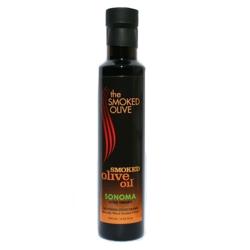
"Love this Olive Oil, I have used it for years"
-
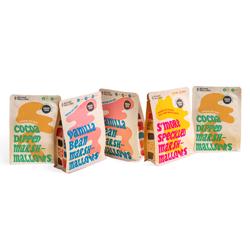
"These are the best marshmallows that I've ever had. I love putting them in hot chocolate"
-
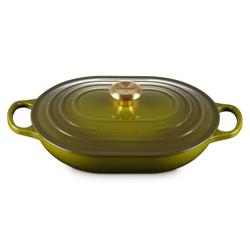
"Love the pot?.perfect size and shape for everyday cooking"
-
"I love these glasses! They are beautiful, sturdy and large"