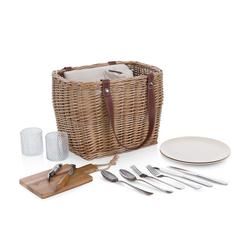
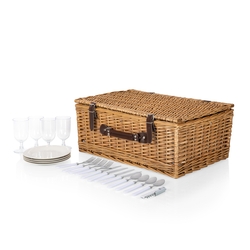
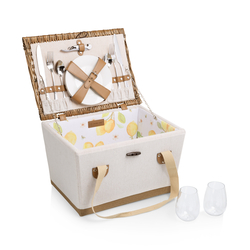
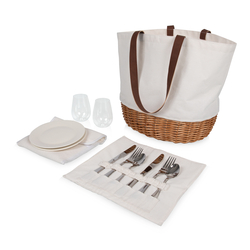
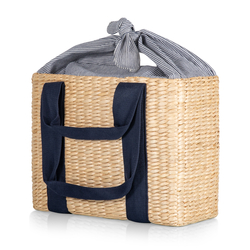
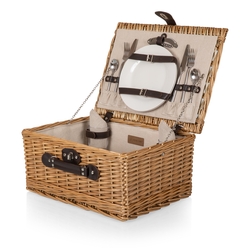
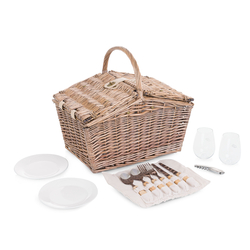
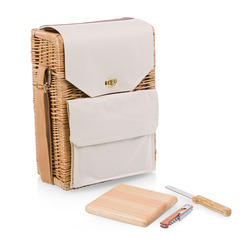
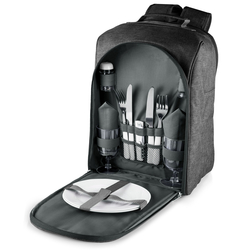
Outdoor picnic baskets keep food, drinks and serving essentials together for meals away from the kitchen, whether that means lunch at a neighborhood park or a relaxed afternoon beside a lake. Traditional woven baskets offer structure and classic picnic style, while insulated totes and soft-sided designs put more emphasis on temperature management, lighter carrying weight and flexible storage. The right choice depends on how many people you’re feeding, what you’re packing and how far you’ll carry it. Willow and rattan are common materials for woven baskets; wicker describes the weaving technique rather than a particular material. A closely woven body, a well-fitted lid and firmly attached handles are useful details to consider, especially when the basket will hold heavier food containers or drinks. A fabric lining can help protect the contents from snagging against the weave, while interior straps or divided sections may keep tableware from shifting. Soft-sided picnic bags often use durable fabric exteriors with lined interiors, and some collapse for storage between outings. Neither format is automatically better: a structured basket can make packing orderly, while a flexible tote may fit more easily around containers of different shapes. Capacity deserves a closer look than the outside dimensions alone. A basket described as suitable for two or four people may refer to the number of included place settings, not the amount of food it can comfortably hold. Think about the meal as well as the guest count. Sandwiches, whole fruit and a small container of cookies take up less room than a full spread with salads, bread, drinks and serving pieces. Interior compartments also reduce the open space available for food. For a simple lunch for two, a compact basket may be enough; a family picnic usually calls for more room and a layout that keeps snacks accessible without unpacking everything. Check that the interior can accommodate the containers you already use, particularly upright bottles, wide salad containers and anything that needs to stay level on the trip.
Insulation is another important distinction among outdoor picnic baskets. A woven shell alone does not keep perishable food safely chilled, and an insulated liner only slows temperature change; it does not replace ice packs or another cooling source. If the menu includes cheese, yogurt, cut fruit or prepared sandwiches with perishable fillings, choose an arrangement that leaves enough room for cooling packs alongside the food. Keep perishable foods at 40 degrees Fahrenheit or below during transport, and use a food thermometer when there is any doubt. A separate cooler may be the most practical companion when the basket is better suited to bread, packaged snacks and tableware. An insulated compartment with a secure closure can help separate chilled food from dry goods, but its usable space matters more than the feature name. Picture a lidded container of pasta salad sitting flat, with cooling packs around it and drinks held upright rather than pressed against delicate fruit. Ease of access matters, too. A wide opening makes it simpler to lift out containers without disturbing the rest of the meal, and separate pockets can keep napkins or utensils within reach. Some picnic basket designs include reusable place settings or dedicated holders, while others provide an open interior for your own essentials. Check what is included rather than assuming every basket is a complete dining set. Reusable tableware can make the meal feel more settled, though ceramic and glass add weight and require secure storage. When the picnic spot is a walk from the parking area, carrying comfort deserves extra attention;
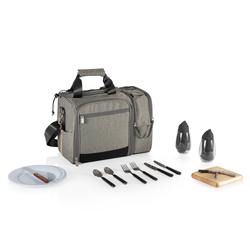
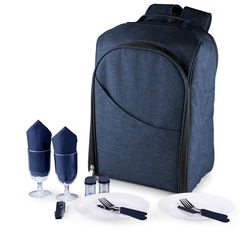
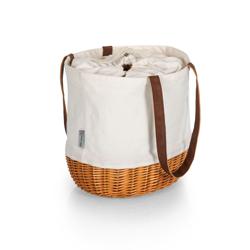
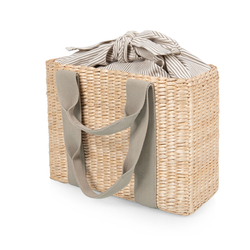
Portable Picnic Baskets are a useful category to explore with that in mind. Consider the basket’s empty weight, the position of its handles and whether a shoulder strap is adjustable. A broad, comfortable handle can make a meaningful difference once drinks and food are packed. Backpack-style carrying can leave hands free, while a hand-carried basket may suit a short trip to a nearby table.
Durability comes from both construction and care, so look beyond the basket’s appearance to the parts that receive the most use. Handle attachments, hinges, closures and reinforced seams should feel secure and work without forcing. A lid should open comfortably and stay out of the way while food is being removed. If a design has a lid intended to double as a serving surface, follow the manufacturer’s directions for setup and weight limits rather than treating every flat lid as a table. For woven baskets, gentle cleaning usually means removing crumbs with a soft brush and wiping marks with a lightly damp cloth, then allowing the basket to dry thoroughly before storing it. Prolonged soaking can affect natural fibers, and closing a basket while it is still damp can encourage odors or mildew. Removable fabric liners can simplify cleanup, but check the care instructions before machine washing; linings, trims and straps may need different treatment. Insulated interiors should be wiped clean promptly after spills and left open until fully dry. Leak-resistant food containers help protect both woven and fabric designs, and a separate bag for used tableware keeps crumbs or dressing from spreading through the interior on the way home. Storage is worth considering before choosing a basket, particularly in a smaller kitchen. A rigid basket needs a dedicated shelf or cupboard, while a collapsible design can be easier to tuck away. For gifting, outdoor picnic baskets suit couples who enjoy park lunches, families who regularly pack meals for outings and hosts who like bringing a thoughtfully prepared spread to a gathering. The most useful gift matches the recipient’s habits rather than simply the largest capacity or the most accessories. Someone who enjoys arranging a leisurely meal may appreciate structured compartments and reusable place settings; someone who carries lunch on longer walks may value lower weight and comfortable straps more. With a size that fits the meal, practical carrying features and materials that suit the owner’s routine, a picnic basket can become a familiar part of getting together over food.